
How To
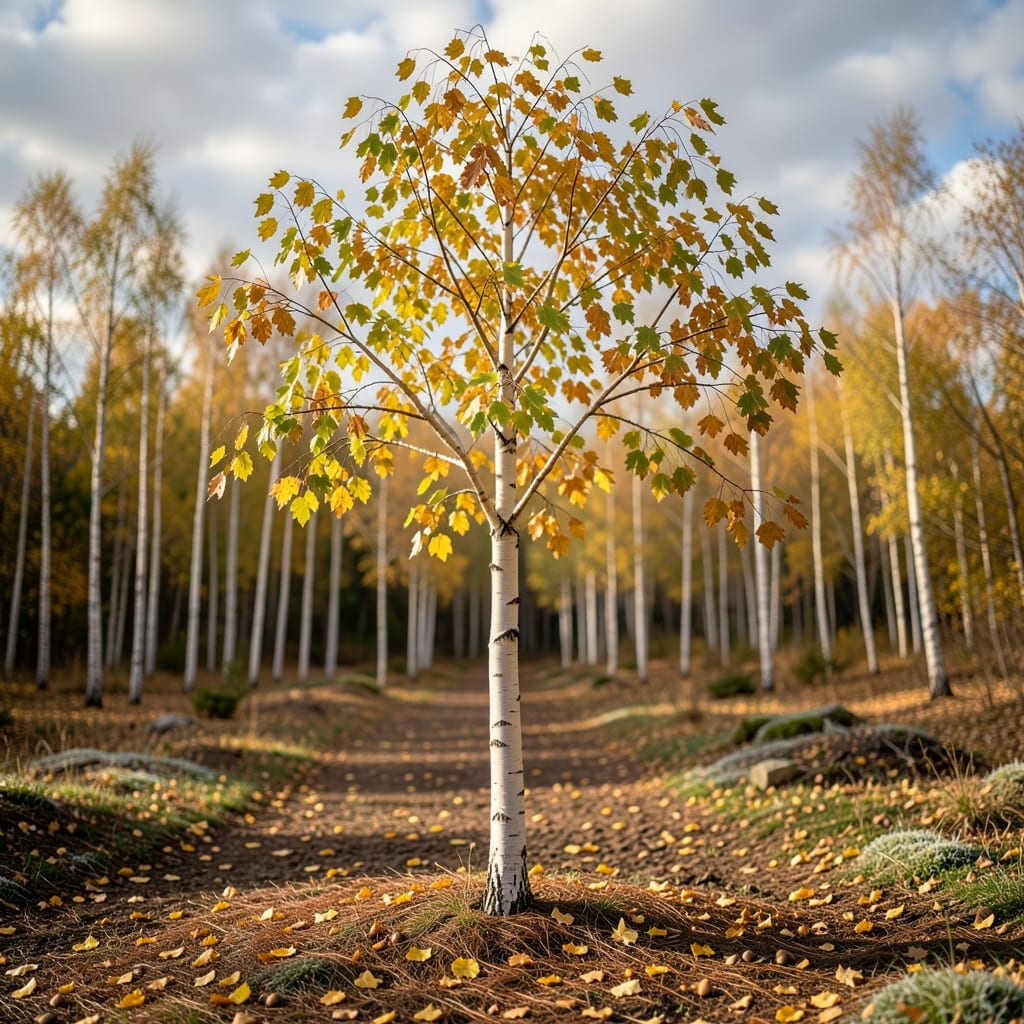
Wondering how tall your aspen 🌳 can grow and whether it’ll outpace your backyard plans? These trees are nature’s speed demons, shooting up 5-10 feet in just their first year—but their final height depends on the variety and where you plant them.
If you’re dreaming of a towering shade provider or a windbreak, aspens can reach 40-80 feet at maturity, but some compact varieties stay shorter. The key is choosing the right type for your space and giving it the ideal growing conditions—full sun and well-drained soil.
Whether you’re working with a small yard or a sprawling landscape, I’ll show you how to maximize growth (or control it) so your aspen thrives without taking over. Ready to learn the fastest-growing varieties and space-saving tricks?
From pruning tips to soil secrets, you’ll discover exactly how to get the height you want—without sacrificing beauty or health. Let’s get started!


How tall do aspen trees grow: species breakdown and growth rates
When you plant an aspen, you’re inviting a fast-growing giant into your yard. The quaking aspen (Populus tremuloides), the most common species in North America, can reach 60-80 feet tall at maturity, while the bigtooth aspen (Populus grandidentata) typically maxes out around 50-70 feet. These trees are known for their rapid growth—some varieties gain 3-5 feet per year in ideal conditions.
But here’s the twist: aspen height depends heavily on soil quality, sunlight, and climate. In poor soil or shade, they may only reach 30-40 feet, while in rich, moist conditions with full sun, they’ll stretch toward their full potential. The first 3-5 years are the fastest, with some aspens hitting 20-30 feet by their fifth year.
Hybrid aspens, like the Carolina poplar (Populus × canadensis), can even surpass 100 feet in the wild, though these are less common in home landscapes. Whether you’re aiming for a shade tree, windbreak, or privacy screen, understanding these variations helps you plan your space wisely.
If you’re planting aspens for privacy or shade, the Carolina poplar is your best bet for speed, but it needs space. For a more manageable height, the European aspen stays shorter while still offering rapid growth. Always check local regulations—some areas restrict fast-growing trees near structures due to root and branch risks.
One surprising fact: aspens grow 3x faster in full sun than in partial shade. If your yard has 6+ hours of direct sunlight daily, you’ll see those height gains accelerate. Pair that with well-drained, slightly acidic soil (pH 6.0–7.0), and you’re set for a towering tree in no time.
For those in USDA Zones 3–7, aspens thrive in cooler climates but can struggle in extreme heat or humidity. If you’re in a hotter zone (8+), consider drip irrigation to keep roots moist without overwatering. Mulching with wood chips also helps retain moisture and regulate soil temperature.
Now, let’s talk about what happens when you don’t give an aspen ideal conditions. Poor soil or competition from nearby trees can stunt growth, leaving you with a 30-foot tree instead of 60. But with the right care, you’ll get that dramatic height increase you’re after—just be prepared for the space it’ll need!
Next, we’ll dive into the fastest-growing aspen varieties that work perfectly in small spaces—so you can get that towering look without the sprawling footprint. Stay tuned!
Fastest-growing aspen varieties for small spaces and landscapes
If you love the idea of aspens but worry about their space requirements, there are compact varieties that deliver rapid growth without the massive footprint. The European aspen (Populus tremula) and its cultivars, like 'Erecta', stay between 30-50 feet tall while still growing 2-3 feet per year—perfect for smaller yards. These varieties also have a narrower canopy, making them ideal for tight spaces.
Another great option is the white poplar (Populus alba), which reaches 40-60 feet but grows 3-5 feet annually in ideal conditions. Its silver underside leaves add visual interest, and it tolerates urban pollution better than most aspens. For a true dwarf option, look for Populus tremula 'Pendula', a weeping variety that maxes out around 20-30 feet while still offering fast growth.
Here are the top 5 fastest-growing aspen varieties for small spaces, ranked by growth speed and manageable height:
-
1. Carolina Poplar (Populus × canadensis)
Growth: 5-7 ft/year | Height: 70-100+ ft -
2. European Aspen (Populus tremula)
Growth: 2-3 ft/year | Height: 30-50 ft -
3. White Poplar (Populus alba)
Growth: 3-5 ft/year | Height: 40-60 ft -
4. Quaking Aspen (Populus tremuloides) 'Nana'
Growth: 1-2 ft/year | Height: 15-25 ft -
5. Weeping Aspen (Populus tremula 'Pendula')
Growth: 1-2 ft/year | Height: 20-30 ft
Best for: Privacy screens, shade, ornamental features
When planting these varieties in small spaces, prioritize well-drained soil and full sun exposure to maximize vertical growth. For example, a white poplar in a 10-foot-wide planting bed can still reach 50 feet tall in 10 years if given proper care. Use container planting for the dwarf varieties, like 'Nana', to control root spread even further.
One pro tip: Plant aspens near a fence or wall to limit lateral growth while encouraging upward expansion. Just ensure the root zone has at least 10 feet of clearance from structures to prevent root damage. Pairing aspens with shallow-rooted perennials, like hostas or ferns, also helps manage space while adding texture to your landscape.
For those in urban environments, the white poplar is a standout because it tolerates pollution and compacted soil better than other aspens. If your yard has limited sunlight, opt for the European aspen, which grows 20% faster in partial shade than most varieties. Just be prepared for a slightly slower height increase—expect 1-2 feet per year instead of 3.
Finally, if you’re aiming for fastest possible growth in a small space, combine Carolina poplar with deep soil amendments like compost and organic fertilizer. This combo can push growth rates to 7 feet per year in the first 5 years, but only if you’re willing to commit to regular pruning and deep watering. With the right variety and care, you can enjoy a towering aspen without sacrificing your yard’s usable space!