
How To
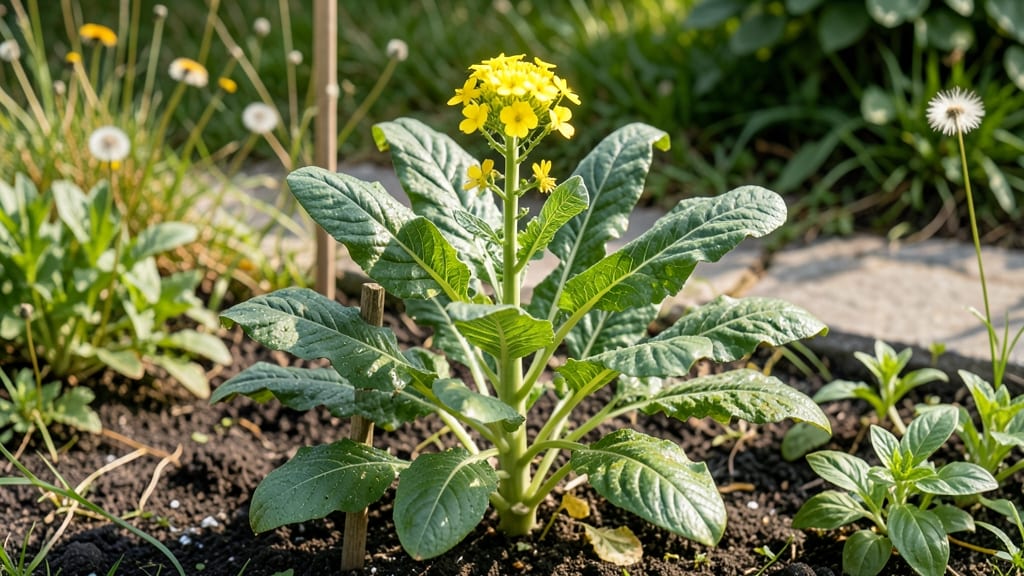
If you’ve ever wondered how tall does a mustard seed grow, you’re not alone—these tiny plants can surprise you with their dramatic height variations!
From delicate baby greens to towering stalks, mustard plants (like Brassica juncea) can reach anywhere from 1 to 2 feet, depending on the variety and growing conditions.
For gardeners in USDA Zone 6a, timing is everything. Planting mustard greens in March or April ensures they thrive during their ideal spring growing window, with harvests stretching from May to October.
Some varieties stay compact, perfect for small gardens, while others bolt into tall, flowering stalks if left unchecked.
Whether you’re growing mustard for leafy greens or seeds, understanding height differences helps with spacing and maintenance. I’ll break down the fastest-growing types and share tips to control height—so you can maximize your harvest without overcrowding your plot.
Ready to transform those tiny seeds into a bountiful garden? Let’s dive into the surprising world of mustard plant heights and how to work with them for the best results!


Mustard plant height ranges: from compact greens to towering giants
When you plant those tiny mustard seeds, you might expect dainty greens—but some varieties can reach surprising heights! The height range of mustard plants varies dramatically, from 8-inch dwarf varieties to towering 3-foot giants.
Understanding these differences helps you plan your garden layout, spacing, and even companion planting strategies.
Mustard plants belong to the Brassica family, which includes cabbage and broccoli, but their growth habits differ significantly. Some varieties focus on leaf production, staying compact, while others prioritize seed production, shooting up dramatically.
Let’s explore the most common types and their mature heights to help you choose the perfect fit for your space.
Mustard plant height depends on the variety, growing conditions, and your gardening goals. Leafy greens like mizuna or red giant stay closer to the ground, while seed-producing varieties like oriental mustard can stretch toward the sky. Knowing these differences ensures you allocate the right space and avoid overcrowding.
The Southern Giant Curled mustard is one of the tallest varieties, often reaching 3 feet or more, making it ideal for gardeners with vertical space or large plots. If you’re growing mustard for salad greens, shorter varieties like mizuna or dwarf mustard are perfect for containers or small gardens.
For seed production, taller varieties like oriental mustard are the way to go, but they require sturdy stems and proper spacing to avoid flopping over. Always check the seed packet for specific height expectations, as some heirloom varieties can exceed standard measurements.
Growing conditions also play a role in height. Mustard plants thrive in full sun (6+ hours daily) and well-draining soil. Overcrowding or poor nutrition can stunt growth, while rich, nitrogen-packed soil encourages rapid vertical expansion. If you’re growing mustard in containers, choose dwarf varieties to avoid root-bound issues.
Some gardeners use trellises or cages to support taller mustard varieties, especially in windy areas. This not only saves space but also improves airflow, reducing the risk of fungal diseases like downy mildew. Just ensure the support structure is sturdy enough to handle the plant’s mature weight.
If you’re new to growing mustard, start with leafy varieties like red giant or mizuna—they’re forgiving and adaptable. For experienced gardeners, experimenting with taller seed-producing types can be rewarding, especially if you’re saving seeds for next year’s crop.
Remember, harvest timing affects height. If you let mustard plants go to seed, they’ll grow taller and bolt, producing flowers and pods. For leaf harvests, pick outer leaves regularly to encourage bushier, shorter growth. This method works best for cut-and-come-again varieties like mizuna.
Whether you’re planning a small urban garden or a sprawling backyard plot, knowing your mustard’s mature height helps you design a thriving, space-efficient layout. Now that you’ve seen the range, pick the perfect variety for your goals—and get ready for a bountiful harvest! 🌱
Mustard plant height ranges: from compact greens to towering giants
Mustard plants are one of nature’s most dramatic transformations—starting as tiny seeds but growing into leafy greens or tall flowering stalks depending on the variety. The height range can vary wildly, from just 8 inches for dwarf varieties to over 3 feet for giant oriental types.
Understanding these differences helps you plan your garden layout and harvest strategy effectively.
Most home gardeners grow mustard for its edible leaves, but some varieties focus on seed production, which can dramatically alter growth patterns. For example, leafy mustards like mizuna or tatsoi stay compact, while seed-bearing types like Southern Giant Curled shoot up quickly to support their pods.
Let’s break down the key height categories and what they mean for your garden.
| Variety | Height Range | Growth Habit | Best For |
|---|---|---|---|
| Dwarf Leaf Mustards (e.g., 'Tendergreen') | 8–12 inches | Bushy, low-growing | Container gardening, quick harvests |
| Semi-Dwarf (e.g., 'Red Giant') | 12–18 inches | Compact, upright | Small gardens, succession planting |
| Standard Leaf Mustards (e.g., 'Southern Curled') | 18–24 inches | Tall, leafy stems | Main garden beds, cut-and-come-again |
| Giant Oriental (e.g., 'Tokyo Bekana') | 24–36 inches | Tall, sturdy stalks | Seed production, large spaces |
The growth habit of your mustard plants directly impacts their height. For example, 'Southern Giant Curled' can reach 3 feet when left to bolt, while 'Tendergreen' stays under 1 foot for easy container growing.
If you’re short on space, opt for bushy dwarf varieties—they’re perfect for window boxes or small pots.
Mustard plants also vary in their maturity timeline. Dwarf varieties like 'Mizuna' mature in just 30–40 days, while giant types may take 50–60 days to reach full height. This difference affects when you can harvest and how many succession plantings you’ll need for a continuous supply of greens.
One common misconception is that all mustard plants grow tall and leggy. In reality, proper spacing and soil nutrition can keep them compact. For instance, planting 'Red Giant' too closely can stunt growth, while giving it 12–18 inches of space encourages a fuller, shorter stature.
Always follow the seed packet guidelines for optimal spacing.
For gardeners in USDA Zone 6a or warmer, mustard plants thrive in spring and fall, avoiding the extreme heat of summer. If you plant in early March or late August, you’ll get the best balance of height control and leaf production.
Just be sure to harvest leaves before bolting to prevent the plant from shooting up dramatically.