
Plants
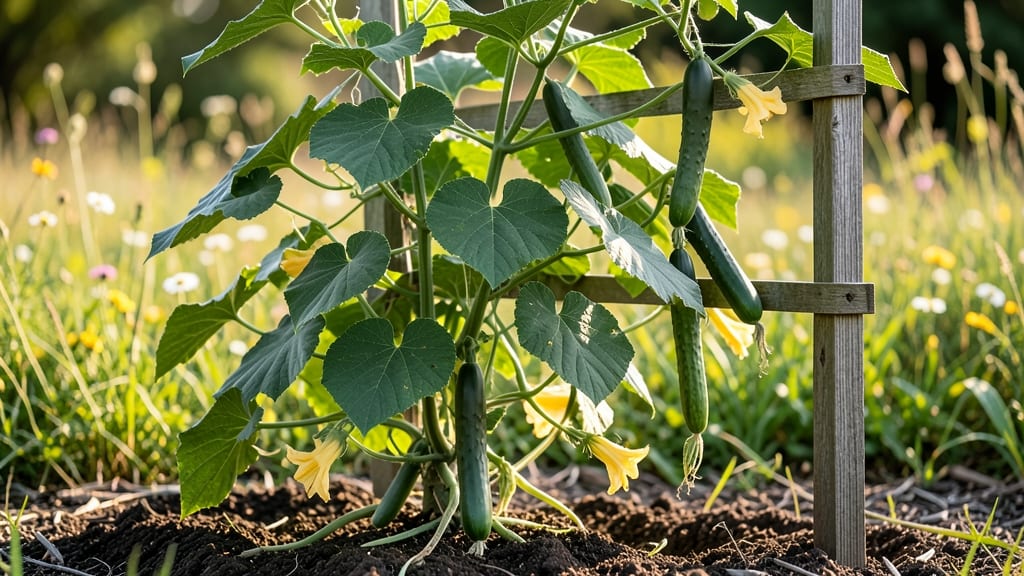
If you’ve ever wondered how tall will cucumber plants grow before committing to your garden plot, the answer might surprise you—these 🥒 powerhouses can range from compact bush varieties to sky-scraping vines that need serious support.
Whether you’re working with limited space or dreaming of a vertical garden, understanding your cucumber’s growth potential is the first step to a bountiful harvest.
Bush cucumbers stay manageable at just 1-3 feet, making them perfect for containers or small gardens, while traditional vining types can stretch 10-20 feet if left unchecked. The key? Choosing the right variety for your space and knowing when to guide those sprawling vines upward.
Without proper training, you’ll end up with a tangled mess instead of neat rows of crisp, homegrown cucumbers.
Don’t let cucumber chaos take over your garden—this guide breaks down everything you need to know about managing height, from trellising tricks to pruning tips. You’ll learn how to keep your plants in check, maximize your harvest, and avoid common mistakes that turn your dream garden into a jungle.
Let’s get growing!
Ready to transform your garden into a cucumber oasis? Whether you’re a beginner or a seasoned gardener, these insights will help you harvest more with less hassle. Grab your gloves and let’s dive in!


Cucumber plant height by variety: bush vs. vining types explained
Cucumber plants can range from compact bush varieties that stay under 2 feet to vining types that climb 15 feet or more. The difference comes down to genetics—some are bred to sprawl, while others stay neatly contained.
Understanding these growth habits helps you plan your garden layout, choose support structures, and maximize your harvest space.
If you're working with a small garden, bush varieties like 'Bush Champion' or 'Spacemaster' are ideal, reaching just 1-2 feet tall. These compact plants produce plenty of cucumbers without needing trellises, making them perfect for containers or tight spaces.
Their spreading habit keeps them low to the ground, but they still require 3-4 feet of space between plants to prevent overcrowding.
On the other end of the spectrum, traditional vining cucumbers like 'Straight Eight' or 'Marketmore' can grow 10-20 feet tall when given the right support. Without trellises or cages, these plants will sprawl across your garden, competing for space with other crops.
Their aggressive growth is why many gardeners opt for vertical training—it saves space and improves air circulation, reducing disease risk.
Semi-dwarf varieties offer a middle ground, typically reaching 3-6 feet tall. Examples include 'Sweet Success' or 'Diva', which benefit from light trellising but don’t require the same commitment as full vining types. These are great for gardeners who want a balance between space efficiency and yield potential.
Here’s the key takeaway: bush cucumbers thrive in small spaces with minimal support, while vining types need vertical structures to reach their full potential. Choosing the right variety for your garden’s layout can make all the difference in your harvest’s success.
| Variety Type | Mature Height | Growth Habit | Best For | Support Needed |
|---|---|---|---|---|
| Bush Varieties | 1-2 ft | Compact, spreading | Containers, small gardens | None (or low cages) |
| Semi-Dwarf | 3-6 ft | Moderate climbing | Small to medium gardens | Light trellis or stakes |
| Vining Varieties | 10-20+ ft | Aggressive climbing | Large gardens, trellises | Strong trellis or fence |
When selecting cucumber varieties, consider your garden’s available space and your gardening goals. For example, if you’re growing cucumbers in containers, stick to bush varieties like 'Bush Pickles', which thrive in 5-gallon pots.
Meanwhile, if you have a sunny fence or trellis, vining types like 'Armenian' cucumbers can produce long, productive vines that yield for weeks.
Another factor to consider is yield potential. While bush varieties may produce slightly fewer cucumbers per plant, their compact size allows you to fit more plants in a small area. Vining types, however, can produce heavily if given proper support and care, often outweighing the space they occupy.
For example, a single 'Straight Eight' plant on a trellis can produce 20-30 pounds of cucumbers in a season.
If you’re unsure which variety to choose, start with a mix of both. Plant a few bush varieties near the edges of your garden or in containers, and dedicate a trellis or fence to a vining type.
This way, you get the best of both worlds: easy access to cucumbers and maximized growing space. Plus, it’s a great way to experiment and see which types thrive best in your specific climate and soil conditions.
Remember, the height of your cucumber plants isn’t just about aesthetics—it’s about harvest efficiency and plant health. Proper spacing and support reduce competition for nutrients and light, leading to healthier plants and better-tasting cucumbers.
So before you plant, measure your space and choose varieties that will work harmoniously with your garden’s layout.
How to control cucumber plant height: trellising, pruning & space-saving techniques
Managing cucumber plant height is all about giving your vines the right support and direction. Without guidance, those 10-foot vines can sprawl uncontrollably, stealing space from other plants and making harvesting a nightmare.
The good news? With a few simple techniques, you can transform chaotic vines into neat, productive vertical gardens that save space and improve air circulation.
For bush varieties (like Bush Champion), trellising isn’t always necessary—they’ll stay compact at 1-3 feet. But for vining types (such as Straight Eight or Marketmore), a sturdy trellis is your best friend.
Not only does it keep vines off the ground (reducing disease risk), but it also encourages upward growth, leading to straighter, easier-to-harvest cucumbers.
Here’s how to tame those towering vines using proven methods that work for any garden size:
Opt for 6-foot tall A-frame trellises or vertical netting for vining types. For small spaces, 5-gallon bucket trellises (DIY with slits cut into buckets) work perfectly. Bush varieties need minimal support—just a small stake or cage.
When vines reach 12 inches tall, gently weave them through trellis slats or tie them with soft plant ties. Avoid tight knots—loose loops prevent vine damage as they grow.
Remove side shoots (small branches growing from the main vine) to focus energy on fruit production. Prune in the morning to allow wounds to heal before evening moisture sets in.
For balcony gardens, hang wall-mounted trellises or use cucumber towers (stacked containers with trellis wire). This frees up ground space for other crops like radishes or lettuce.
Apply 2-3 inches of mulch to retain moisture and suppress weeds. Water at the base of the plant (not the leaves) to prevent fungal diseases like powdery mildew, which thrives in damp foliage.
One common mistake? Waiting too long to trellis. If you let vines sprawl for weeks before supporting them, the weight can break stems or cause the trellis to collapse. Start training vines as soon as they’re 6 inches tall—it’s easier on both you and the plant!
Pro tip: If you’re growing multiple cucumber plants, space trellises 3 feet apart to allow airflow. This reduces humidity around the leaves, cutting down on pests and diseases.
With the right support, your 10-foot vines will become an asset, not a nuisance—producing more cucumbers in less space than you ever thought possible.