
Plants
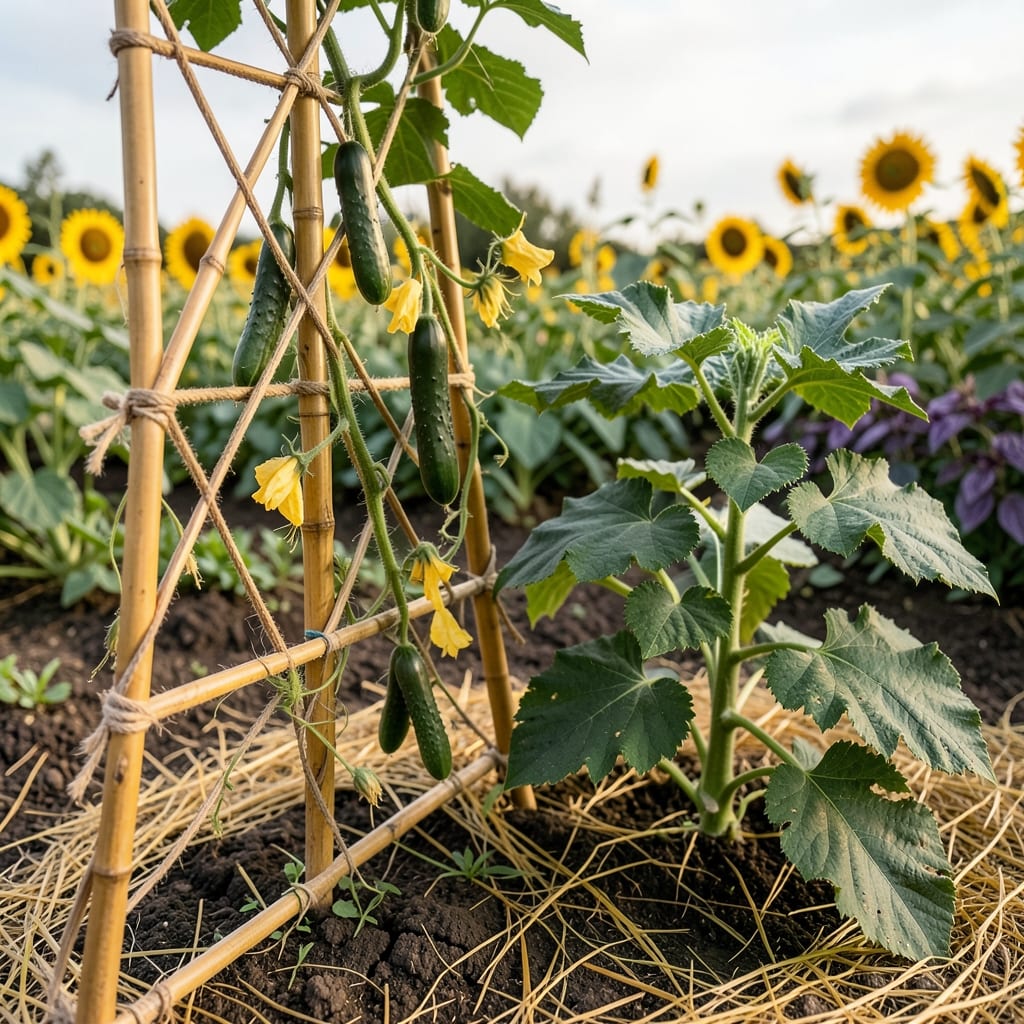
If you’ve ever stared at your backyard and wondered how tall can cucumber plants grow, you’re not alone—this question can make or break your garden planning. Some varieties stretch like 10-foot vines, while others stay neatly contained in pots. The difference comes down to one key factor: whether you’re growing bush or vining types, and how you support them.
Imagine this: a 🥒 cucumber plant sprawling across your patio or climbing a trellis like a green waterfall. Without guidance, those vines can take over, but with the right approach, you can control their height—even in small spaces. Whether you’re a beginner or a seasoned gardener, knowing these growth patterns will help you maximize your harvest without the chaos.
In this guide, I’ll break down the height ranges for popular varieties, explain why trellising makes a huge difference in both yield and space, and share space-saving tips to keep your garden tidy. You’ll learn which types thrive in containers and which need room to run wild—plus how to adjust your setup for USDA Zone 6a growing conditions.
Ready to turn your garden into a productive (and organized) cucumber oasis? Let’s dive into the varieties that will work best for your space—and how to keep them from turning your yard into a jungle.


Cucumber plant height by variety: vining vs bush types explained
Cucumber plants come in three main growth habits: vining, bush, and semi-bush, each with dramatic differences in height. The tallest varieties can reach 15–20 feet when left unchecked, while compact bush types top out at just 1–2 feet. Your choice of variety—and whether to use a trellis or let them sprawl—will determine how much space you need to dedicate to these hungry plants.
Vining cucumbers like 'Straight Eight' and 'Marketmore' are the classic sprawlers, sending out long, trailing stems that need 6–10 feet of vertical support or space to spread across the ground. These varieties produce more fruit but require more room. Meanwhile, bush types like 'Bush Champion' or 'Spacemaster' stay compact, making them ideal for containers or small gardens.
Semi-bush varieties (like 'Sweet Success') bridge the gap, growing 3–5 feet tall and benefiting from light trellising. Their moderate height makes them versatile for both ground planting and vertical gardens. Understanding these differences helps you plan your layout and avoid crowded, disease-prone vines.
Here’s a quick comparison of popular varieties and their mature heights:
| Variety | Type | Mature Height | Best For |
|---|---|---|---|
| Straight Eight | Vining | 15–20 ft | Trellises, large gardens |
| Marketmore | Vining | 10–15 ft | Ground cover or trellis |
| Bush Champion | Bush | 1–2 ft | Containers, small spaces |
| Sweet Success | Semi-bush | 3–5 ft | Balconies, small gardens |
| Spacemaster | Bush | 2 ft | Containers, urban gardens |
If you’re growing vining varieties in a small space, consider pruning or trellising early to control height. Without support, these plants can sprawl 10–15 feet in a single season, crowding out other crops and making maintenance difficult. Bush varieties, on the other hand, are perfect for balcony gardens or patio containers as long as they get enough sunlight.
Another key factor is growth habit. Vining cucumbers produce fruit along their main stem and side shoots, while bush types focus their energy on a single, compact plant. This affects not just height but also yield and fruit quality. For example, trellised vining cucumbers often produce straighter, cleaner fruits with fewer blemishes compared to ground-sprawling types.
For container gardening, stick to bush or semi-bush varieties in pots at least 12–18 inches deep and wide. Even then, you’ll need to harvest frequently to encourage more production. Vining types in containers will quickly outgrow their space unless you prune aggressively or use a small trellis inside the pot.
Pro tip: If you love the idea of homegrown cucumbers but lack space, try 'Diva' or 'Salad Bush'—both are compact bush types that thrive in 5-gallon containers and produce sweet, bite-sized fruits. These varieties prove that you don’t need a sprawling garden to enjoy a bountiful harvest.
🌱
Why trellising cucumbers boosts growth: height limits and yield impact
Trellising isn’t just about tidying up your garden—it’s a game-changer for cucumber plant height and productivity. Without support, vining varieties like Straight Eight can sprawl up to 20 feet, while trellising keeps them contained at 6–10 feet. This vertical growth hack isn’t just about space; it boosts yields by 30–50% by improving air circulation and reducing disease risks like powdery mildew.
Think of trellises as a lifeline for your cucumbers. They redirect the plant’s energy upward instead of outward, leading to longer vines with more fruit nodes. Plus, trellised cucumbers produce cleaner, straighter fruits with fewer blemishes—perfect for market sales or gourmet recipes. The key is starting early: install trellises when plants are 4–6 inches tall to avoid damaging roots later.
Not all trellises are created equal. For heavy vining types like Marketmore, opt for sturdy A-frame trellises or wooden lattices. Lighter varieties like Bush Champion thrive on string trellises or netting. Avoid metal frames in hot climates—they can burn plant tissues when exposed to direct sun.
Timing matters too. Plant bush varieties directly on trellises at sowing, but wait until vining types have 2–3 leaves before guiding them upward. Late trellising forces plants to reorient their growth, wasting energy and delaying harvests. Pro tip: Use biodegradable twine to gently tie vines to supports—it’s gentler than plastic and won’t damage stems as they thicken.
Beyond height control, trellising extends the harvest season. Elevated fruits stay drier, reducing rot risks, and improves pollination by keeping flowers accessible to bees. In USDA Zone 6a, this means 2–3 extra weeks of production before fall frosts hit. Just remember: Remove old leaves regularly to maintain airflow—this keeps diseases at bay and maximizes sunlight exposure.
For container gardeners, mini trellises (like 5-foot stakes) work wonders. Even bush varieties benefit from light support, as it prevents sprawling and makes harvesting easier. Pair this with drip irrigation to keep soil consistently moist—trellised plants dry out faster due to increased exposure.