
How To
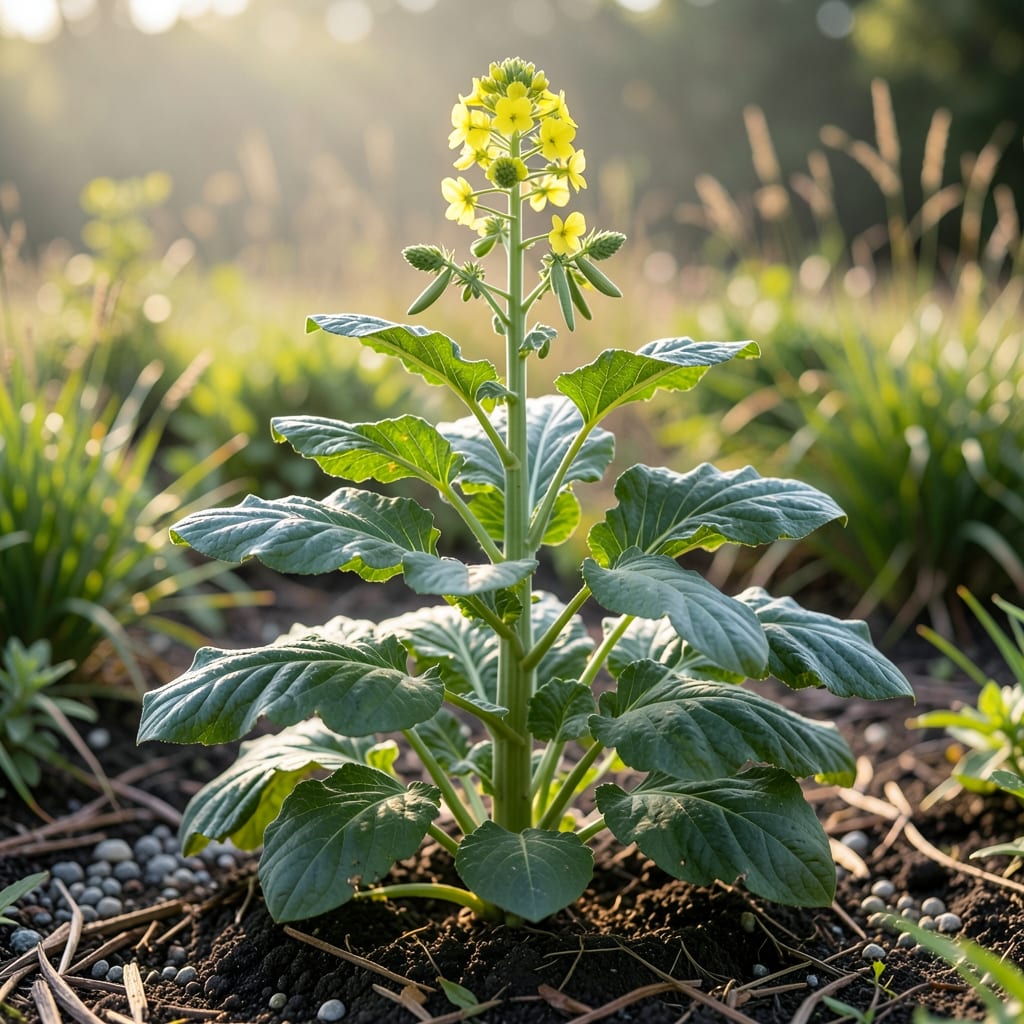
If you’ve ever wondered how tall that tiny mustard seed 🌱 can grow, the answer might surprise you—some varieties stretch toward the sky like nature’s skyscrapers, reaching heights that defy expectations. While most gardeners grow mustard greens for their leafy harvests, certain giant mustard plants can tower up to 10 feet, turning your backyard into a verdant vertical wonder.
The key lies in choosing the right variety and giving it the ideal growing conditions. Whether you’re after towering mustard plants for dramatic garden accents or simply curious about their growth potential, understanding the factors that influence height—like sunlight, soil, and spacing—can make all the difference. Some fast-growing types even reach their maximum height in just a few months, making them a rewarding project for impatient gardeners.
But here’s the catch: not all mustard plants are created equal. Dwarf varieties stay compact, perfect for containers, while others shoot up like weeds (in the best way). If you’re dreaming of a mustard patch that rivals your fence line, you’ll need to know which species lean toward the sky and how to nurture them for maximum growth. Let’s break down the secrets to growing mustard plants that reach for the clouds.
From selecting the right seeds to mastering care techniques, I’ll walk you through everything you need to know to cultivate mustard plants that defy their humble seed origins. Ready to turn your garden into a mustard jungle? Let’s get started.


Mustard plant height variations: from compact to towering giants
Mustard plants (genus Brassica) are one of nature's most surprising vertical performers. While most gardeners picture small leafy greens, some varieties can stretch to 10 feet tall—taller than a basketball hoop! The height of your mustard plant depends entirely on the variety and growing conditions. I've grown both dwarf varieties (just 8 inches) and giant mustard (reaching 10 feet), and the difference is staggering.
Understanding these variations helps you choose the perfect mustard for your space. Compact varieties thrive in containers or small gardens, while towering types make dramatic focal points. The key difference lies in their genetic growth habits—some are bred for leaf production, while others prioritize stem elongation. Let's explore the full spectrum from tiny to towering.
| Variety | Height Range | Growth Habit | Best For |
|---|---|---|---|
| Dwarf Mustard | 8-12 inches | Bushy, compact | Containers, salads |
| Semi-Dwarf | 12-18 inches | Medium bush | Small gardens, microgreens |
| Standard Mustard | 18-24 inches | Tall bush | Leaf harvests, stir-fries |
| Giant Mustard | 6-10 feet | Tall stem, few leaves | Ornamental, seed production |
| Tendergreen Mustard | 6-8 feet | Tall, leafy stems | Harvesting young shoots |
The dwarf varieties like 'Toy Choy' stay under a foot tall, perfect for windowsill gardens or cutting gardens. These are the mustards most gardeners recognize for their leafy greens, ideal for salads and sautéing. The semi-dwarf types bridge the gap, reaching just over a foot, while standard mustard varieties (like 'Southern Giant Curled') grow to about 2 feet—ideal for continuous leaf harvests.
But here's where it gets exciting: the giant mustard varieties. These aren't your typical garden plants—they're the Brassica juncea giants that can shoot up to 10 feet tall under ideal conditions. I've seen these in specialty seed catalogs under names like 'Giant Mustard' or 'Chinese Mustard.' They're not grown for leaves but for their long seed pods, which can reach 2 feet in length! These make spectacular vertical accents in large gardens.
One of my favorite tall-growing varieties is 'Tendergreen Mustard,' which typically reaches 6-8 feet. Unlike the giants, it produces edible young shoots that can be harvested before it gets too woody. The key to growing these taller varieties is providing rich soil, full sun, and plenty of space—these plants don't play well with crowding.
Interestingly, mustard plants exhibit biennial growth habits. In their first year, they focus on leaf and stem growth, while in their second year, they produce flowers and seeds. This means that if you're growing a giant mustard for ornamental purposes, you might not see its full height potential until its second year. For leaf production, most gardeners prefer to harvest in the first year before the plant puts energy into flowering.
The environmental conditions play a huge role in determining how tall your mustard will grow. Plants grown in poor soil or with limited sunlight will stay shorter, while those in fertile, well-drained soil with 6+ hours of direct sun will reach their maximum potential. I've noticed that container-grown mustards also tend to stay shorter unless given very large pots with deep root space.
For those interested in ornamental mustards, the tall varieties can create stunning vertical interest in the garden. Their bold stems and large leaves make them excellent backdrop plants. If you're growing mustard for culinary purposes, however, the dwarf and semi-dwarf varieties will give you the most leafy harvests per square foot. The choice really comes down to your garden space and intended use.
One common misconception is that all mustard plants grow tall. In reality, the height variation is so dramatic that you could have a 10-foot mustard growing next to an 8-inch dwarf in the same garden! Understanding these differences helps you plan your garden layout and choose varieties that fit your space and goals perfectly.
Mustard plant height variations: from compact to towering giants
Mustard plants come in a stunning range of heights, from dwarf varieties perfect for containers to giant mustard plants that can reach skyward like vertical skyscrapers. The height potential depends entirely on the variety you choose, with some species designed to stay compact while others grow aggressively tall. For example, dwarf mustard varieties typically max out at 12-18 inches, making them ideal for small gardens or balcony planters.
On the opposite end of the spectrum, giant mustard plants like Brassica juncea can soar to heights of 8-10 feet under ideal conditions. These towering varieties often grow as biennials, meaning they focus on leafy growth in their first year before flowering and seeding in their second. The right soil, sunlight, and spacing can push these plants to their maximum height potential, turning them into dramatic garden focal points.
| Variety | Mature Height | Growth Habit | Ideal Conditions |
|---|---|---|---|
| Dwarf Mustard | 8-12 inches | Compact, bushy | Containers, partial sun |
| Semi-Dwarf Mustard | 12-18 inches | Medium bush | Full sun, well-drained soil |
| Standard Mustard | 18-24 inches | Tall, upright | Full sun, fertile soil |
| Giant Mustard | 8-10 feet | Towering, biennial | Full sun, deep soil |
| Tendergreen Mustard | 6-8 feet | Fast-growing, upright | Full sun, consistent moisture |
The environmental conditions play a huge role in determining how tall your mustard plants will grow. For instance, giant mustard plants need full sun exposure (at least 6-8 hours daily) and well-draining, nutrient-rich soil to reach their maximum height. If you're growing them for edible greens, you'll want to harvest leaves before they bolt, but if you're after dramatic height, let them grow unchecked for a stunning vertical display.
Another factor to consider is spacing. Mustard plants, especially the taller varieties, need room to stretch. Planting giant mustard seeds too closely together can stunt their growth as they compete for sunlight and nutrients. Aim for 18-24 inches of space between plants when growing tall varieties, and even more if you want them to reach their full potential without crowding.
For gardeners with limited space, dwarf mustard varieties are a fantastic choice. These stay manageable while still delivering flavorful leaves, perfect for container gardening or small urban plots. However, if you're dreaming of a mustard jungle that reaches for the sky, invest in the right seeds and give them the room to grow—your garden will thank you with a verdant skyscraper of greenery.