
How To
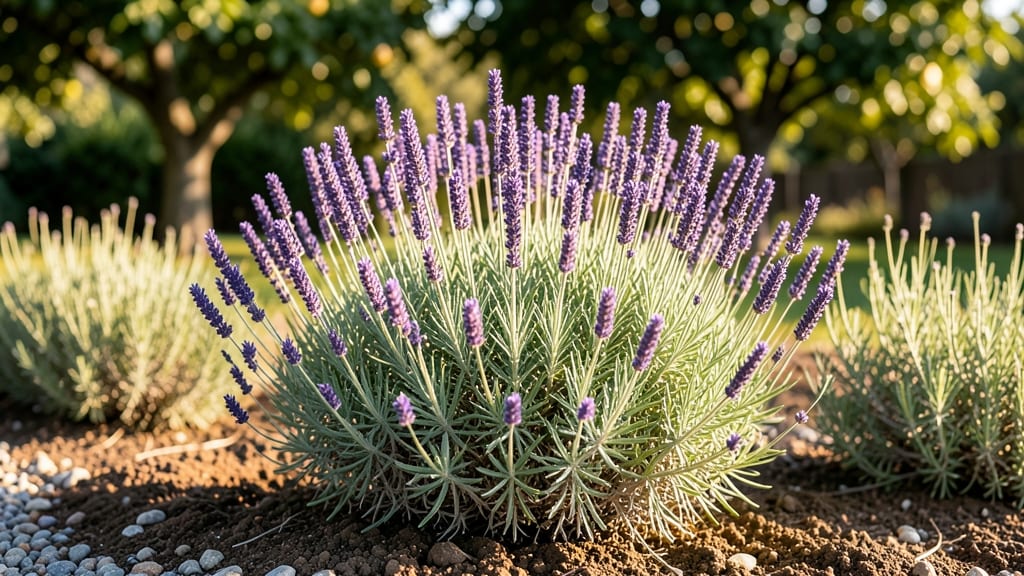
How tall does a lavender tree grow is one of the first questions new gardeners ask—and the answer might surprise you. These fragrant shrubs aren’t the towering giants you’d expect; most stay between 3 and 8 feet, making them perfect for borders, containers, or even small hedges.
If you love the idea of a 🌿 lavender tree but worry about space, don’t stress. Dwarf varieties like 'Hidcote Giant' max out at just 2-3 feet, while standard types reach 6-8 feet at maturity. The key? Choosing the right variety for your garden’s size and sunlight needs.
Whether you’re planning a cozy herb garden or a fragrant privacy screen, understanding lavender’s growth habits helps you avoid overcrowding or underutilized space. I’ll break down the height ranges, pruning tips, and the best varieties for your layout—so you can enjoy lavender’s beauty without the guesswork.
Ready to pick the perfect lavender for your space? Let’s dive into the varieties that fit your garden like a glove—and keep your pruners happy year-round.


Lavender tree growth chart: height ranges by variety
If you’re planning to grow lavender, knowing its mature height is key to selecting the right variety for your space. Lavender isn’t a true tree, but some varieties—like Lavandula angustifolia 'Hidcote Giant'—can grow tall enough to resemble one, reaching 6 to 8 feet at maturity.
Others stay compact, perfect for containers or borders. The height difference comes down to the species and cultivar, so let’s break it down.
Most gardeners assume lavender will grow into a towering shrub, but the reality is far more flexible. For example, English lavender (Lavandula angustifolia) typically stays between 2 to 3 feet, while French lavender (Lavandula stoechas) can stretch up to 5 feet.
Even within the same species, dwarf varieties like 'Little Lady' max out at just 1 to 2 feet, making them ideal for window boxes or small gardens.
Here’s a quick comparison to help you visualize the differences:
If you’re working with limited space, dwarf varieties are your best bet. They thrive in containers and don’t require heavy pruning to maintain their shape. For larger gardens, French or Grosso lavender can create stunning visual impact, especially when planted in groups.
Just remember: taller varieties need more space between them—aim for 3 to 5 feet apart to allow for airflow and prevent overcrowding.
Pruning plays a huge role in controlling height. If your lavender starts to outgrow its space, prune in late spring or early summer to shape it and encourage bushier growth. Avoid cutting into old wood, as lavender struggles to regenerate from there.
Instead, focus on the new growth at the tips of the stems. This keeps your lavender healthy while keeping its height in check.
Another factor to consider is your climate zone. Lavender grows best in USDA zones 5–9, but in warmer regions, it may grow faster and taller. If you’re in a hot, dry climate, expect your lavender to reach its mature height sooner.
In cooler zones, growth may be slower, but the plants will still follow the height ranges listed above.
For container gardening, choose compact varieties like 'Munstead' or 'Little Lady'. These stay under 2 feet and do well in pots as long as the container has drainage holes. If you’re growing lavender in the ground, consider its mature height when planning your layout.
A 6-foot lavender hedge can create a beautiful, fragrant privacy screen, while a 2-foot border adds delicate color to a small garden.
One common misconception is that all lavender grows into a "tree" shape. In reality, only a few varieties—like 'Hidcote Giant'—develop a more upright, tree-like form.
Most lavender grows as a bushy shrub, so if you’re dreaming of a lavender "tree," focus on the taller cultivars and give them plenty of space to spread.
Finally, remember that lavender’s height isn’t the only factor to consider. Its width can be just as important, especially for border planting. For example, Grosso lavender can spread 3 to 4 feet wide, while dwarf varieties stay under 2 feet.
Always check both height and width when selecting a variety for your garden.
With the right variety and a little pruning, you can grow lavender to fit your space
Lavender tree growth chart: height ranges by variety
When planning your garden, knowing how tall lavender can grow helps you choose the perfect variety for your space. Most lavender plants aren’t true trees but woody shrubs that can reach tree-like proportions with proper care.
The mature height of lavender varies widely—from compact 1-2 feet dwarfs to towering 6-8 feet standards. Understanding these differences ensures you pick a variety that fits your design without overpowering your landscape.
English lavender (Lavandula angustifolia) is the most popular choice for gardens, typically reaching 2-3 feet at maturity. French lavender (Lavandula dentata) and Spanish lavender (Lavandula stoechas) often grow taller, with some varieties exceeding 4 feet.
If you’re dreaming of a lavender “tree,” look for Lavandula x intermedia hybrids, which can grow 5-8 feet tall with a bushy, tree-like form.
| Variety | Mature Height | Best For | Pruning Needs |
|---|---|---|---|
| English Lavender (Lavandula angustifolia) | 1.5–3 ft | Borders, containers, window boxes | Light pruning after flowering |
| French Lavender (Lavandula dentata) | 2–4 ft | Hedges, mid-height borders | Moderate pruning to shape |
| Spanish Lavender (Lavandula stoechas) | 2–3.5 ft | Accents, pollinator gardens | Minimal pruning; focus on deadheading |
| Grosso Lavender (Lavandula x intermedia 'Grosso') | 4–6 ft | Privacy screens, tall hedges | Heavy pruning to control spread |
| Hidcote Giant (Lavandula angustifolia 'Hidcote Giant') | 3–5 ft | Specimen plants, focal points | Annual pruning for shape |
If you’re aiming for a lavender tree look, focus on Lavandula x intermedia hybrids like 'Grosso' or 'Provins', which can grow 5-8 feet tall with a woody, tree-like trunk.
These varieties thrive in full sun and well-draining soil, making them ideal for larger gardens or as a privacy screen. For smaller spaces, opt for English lavender varieties like 'Munstead' or 'Hidcote', which stay compact and perfect for containers or window boxes.
Pruning plays a key role in controlling height. For taller varieties, prune in late winter or early spring to encourage bushier growth. For compact varieties, a light trim after flowering keeps them neat and manageable.
Avoid heavy pruning in summer, as lavender needs time to harden off before winter. With the right variety and care, you can enjoy lavender’s fragrant blooms without sacrificing your garden’s layout.
Pro tip: Plant lavender in groups of 3-5 for a natural, layered look. Taller varieties in the back and shorter ones in front create depth and visual interest. Pair Grosso lavender with rosemary bushes for a Mediterranean-inspired border that thrives in drought conditions.
🌿