
Size
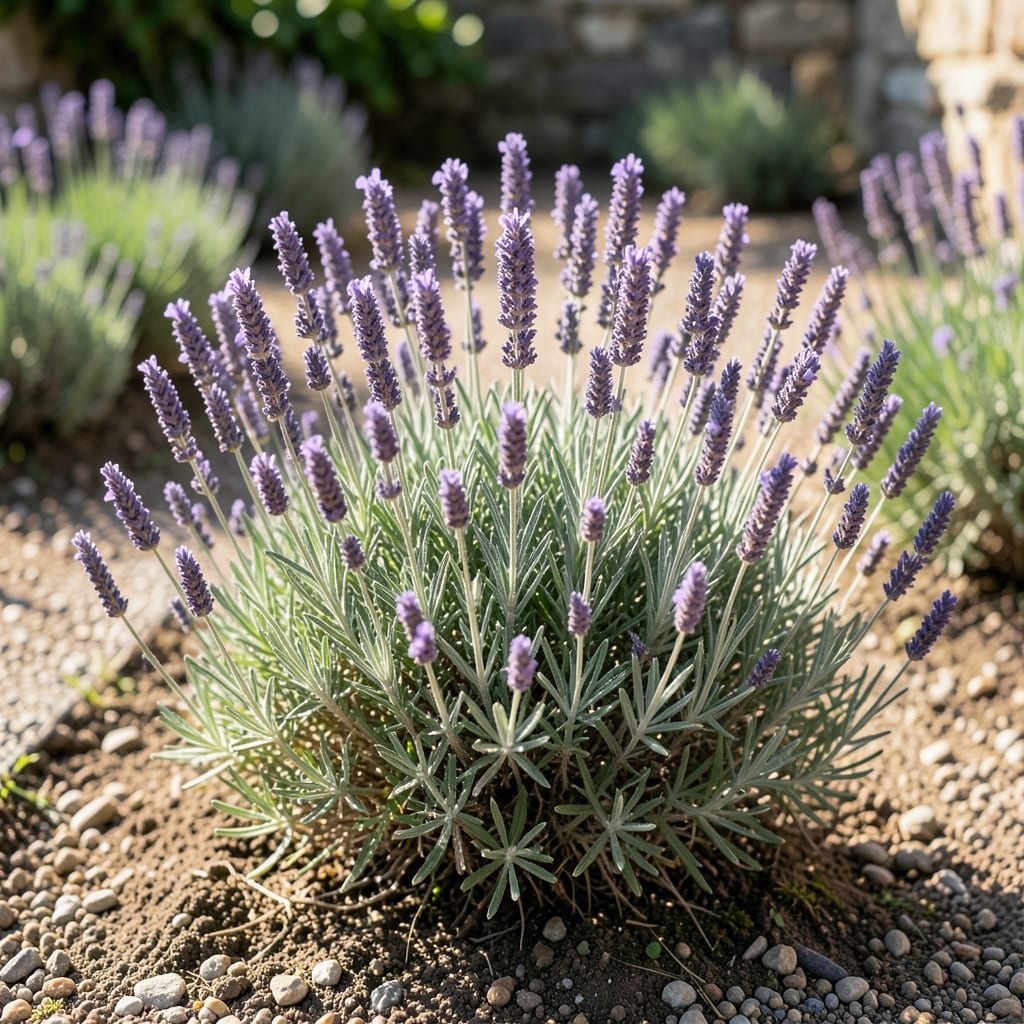
If you're planning your garden layout this spring and wondering how tall and wide lavender grows, you're not alone—many gardeners get caught off guard by its surprising size variations. This fragrant 🌿 herb can range from compact 8-inch dwarf varieties to towering 3-foot giants, depending on the type and growing conditions.
The key to avoiding overcrowded borders or wasted space lies in understanding these dimensions before planting. Whether you're creating a fragrant hedge, a pollinator-friendly border, or a container garden, knowing the mature size of your lavender variety is the first step to a well-balanced design.
From the 1.5-foot French lavender that thrives in containers to the 2.5-foot English lavender that spreads wider, each type has its own growth habits. I'll break down the exact measurements you need to plan your garden layout like a pro—no guesswork, just perfect spacing.
Ready to transform your garden with the right lavender dimensions? Let's dive into the specifics so you can plant with confidence and create a space that's both beautiful and functional.


Lavender mature height and width by popular variety (exact measurements)
Lavender isn’t one-size-fits-all—its mature size depends entirely on the variety you choose. Some stay compact enough for window boxes, while others sprawl into 3-foot hedges. Understanding these dimensions helps you plan borders, hedges, or container gardens without overcrowding. Let’s break down the exact heights and spreads for the most popular types, including English, French, and Spanish lavender.
For gardeners working with limited space, dwarf varieties like 'Hidcote' or 'Munstead' are game-changers—they top out at just 12 inches but still pack a fragrant punch. Meanwhile, standard varieties like 'Grosso' or 'Provencal' can reach 3 feet or taller, making them ideal for privacy screens or focal points. Always check the spacing recommendations below to avoid competition for water and nutrients.
🌿
| Variety | Type | Mature Height | Mature Width | Spacing (inches) | Best For |
|---|---|---|---|---|---|
| 'Hidcote' | English | 12-18" | 12-18" | 12-18" | Containers, borders |
| 'Munstead' | English | 18-24" | 18-24" | 18-24" | Hedges, borders |
| 'Grosso' | French | 24-36" | 24-36" | 24-36" | Privacy screens |
| 'Provencal' | Spanish | 30-48" | 30-48" | 36-48" | Large hedges |
| 'Lavandula stoechas' | Spanish | 12-24" | 12-24" | 12-18" | Rock gardens |
| 'Kew Red' | English | 18-24" | 18-24" | 18-24" | Cut flowers |
| 'Goodwin Creek Grey' | English | 24-36" | 24-36" | 24-36" | Drought areas |
| 'Allenbury Blue' | English | 12-18" | 12-18" | 12-18" | Containers |
| 'Bandera' | Spanish | 24-36" | 24-36" | 24-36" | Privacy hedges |
| 'Regal Splendour' | English | 30-48" |
How lavender growth habits affect garden planning (pruning, spacing, and sunlight needs)Lavender’s mature size isn’t just about the variety—it’s also shaped by how you care for it. Pruning techniques, spacing strategies, and sunlight exposure can dramatically alter whether your lavender stays compact or sprawls uncontrollably. For example, English lavender left unpruned can grow 3 feet tall, while the same plant pruned annually stays at 1.5–2 feet. Understanding these factors ensures your lavender thrives without taking over your garden layout. One of the biggest mistakes gardeners make is crowding lavender too closely. While dwarf varieties like Lavandula angustifolia 'Hidcote' only need 12 inches of space, taller types like Spanish lavender require 24–36 inches to prevent competition for nutrients and airflow. Poor spacing leads to stunted growth, pests, and even fungal diseases—so plan accordingly for your garden design. Pruning isn’t just about keeping lavender tidy—it’s a tool to control size. Light pruning after flowering encourages bushier growth, while heavy pruning in early spring can reset a woody plant to its original size. For hedges or borders, prune 2–3 times per year to maintain a uniform shape. If you skip pruning, your lavender may grow leggy and sparse, losing its dense, fragrant appeal. Sunlight is non-negotiable for lavender. Without 6–8 hours of full sun daily, plants become weak-stemmed and leggy, struggling to reach their full height or width. In shadier climates, choose dwarf varieties like 'Munstead' or 'Kew Red', which tolerate partial shade better than taller types. Even a slight reduction in sunlight can reduce mature height by 30–50%, making your garden planning even more critical. Container gardening changes the game entirely. Lavender in pots stays 20–30% smaller than in-ground plants due to root restriction. Choose wide, shallow containers (at least 12 inches in diameter) and use well-draining soil to prevent root rot. Dwarf varieties like 'Loddon Pink' thrive in containers, reaching only 1–1.5 feet tall, while standard types may max out at 2 feet. Here’s a quick rule of thumb: Multiply your lavender’s mature height by 1.5 to determine its spread. For example, a 2-foot-tall plant will likely spread 3 feet wide. This helps when designing hedges or borders. For fragrant pathways, space plants 18–24 inches apart to create a lush, continuous look without gaps. 🌿
Pro tip: If you’re using lavender as a privacy screen, plant 3 rows spaced 18 inches apart for a dense, fragrant barrier. Taller varieties like Spanish lavender can create a 6-foot-wide screen in just 2–3 years with proper care. Just remember—consistent pruning is key to keeping it lush and manageable. ✂️ |