
How To
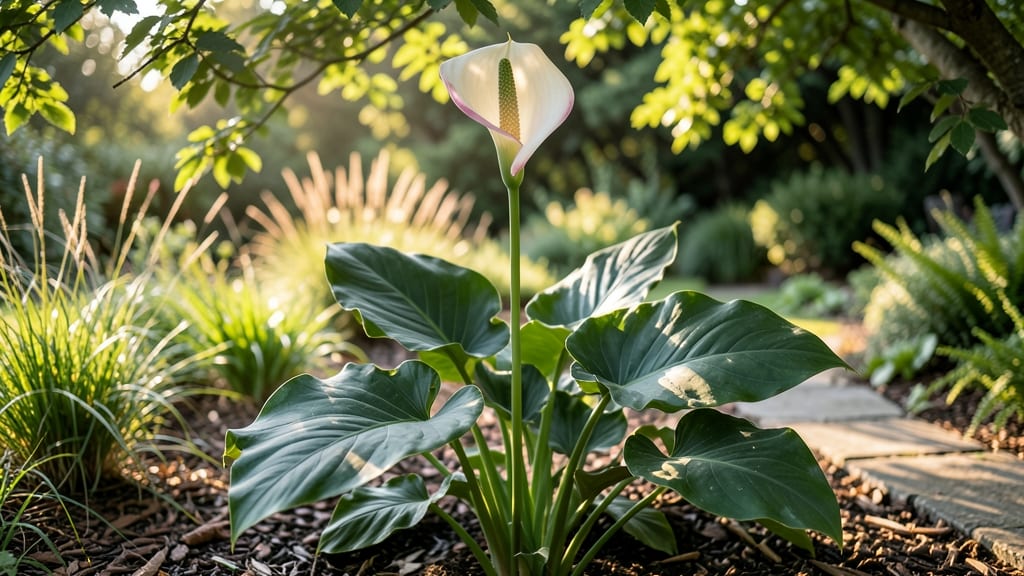
Wondering how tall does a calla lily grow before it steals the show in your garden? These elegant 🌸 plants can surprise you with their dramatic height range—some stay compact while others reach towering proportions, all depending on the variety and care you provide.
Most calla lilies mature between 1 to 3 feet, with dwarf varieties staying around 12 to 18 inches and standard types stretching up to 3 feet. The key to unlocking their full potential lies in understanding their growth habits and giving them the right conditions to thrive.
In this guide, I’ll break down the height differences between popular calla lily varieties and share expert tips to encourage (or control) their growth. Whether you’re working with Zantedeschia aethiopica or other types, you’ll learn how sunlight, soil, and spacing play a role in shaping their stature.
Ready to transform your garden with these striking plants? Let’s dive into the secrets of growing calla lilies at their most impressive—and manageable—heights.


Calla lily height ranges by variety: from compact to towering
Calla lilies (Zantedeschia spp.) are famous for their striking, architectural blooms, but their height varies dramatically depending on the variety. Whether you're designing a containers garden or a border planting, knowing these ranges ensures you place them perfectly.
Most calla lilies mature between 1 to 3 feet, but dwarf and giant types push those limits further.
For example, the dwarf varieties like Zantedeschia elliottiana stay compact at just 12 to 18 inches, making them ideal for window boxes or small pots.
On the other end, giant types such as Zantedeschia rehmannii can reach 36 inches or taller, commanding attention in backyard beds or large containers.
Here’s how the most popular varieties stack up in height, so you can choose the perfect fit for your space:
| Variety | Mature Height | Best For | Notes |
|---|---|---|---|
| Zantedeschia aethiopica (Egyptian Calla) | 24–36 inches | Borders, large containers | Tallest common type; thrives in shade. |
| Zantedeschia elliottiana (Dwarf Calla) | 12–18 inches | Window boxes, small pots | Compact; great for indoor gardening. |
| Zantedeschia rehmannii (Giant Calla) | 36–48 inches | Backyard beds, focal points | Needs staking; loves full sun. |
| Zantedeschia albomaculata (Spotted Calla) | 20–28 inches | Mixed borders, containers | Medium height; bold foliage. |
| Zantedeschia jucunda (Wild Calla) | 18–24 inches | Woodland gardens, shade areas | Native to South Africa; low-maintenance. |
If you’re growing calla lilies in containers, expect heights to be slightly shorter due to root restriction—typically 10–20% less than their in-ground counterparts. For instance, a 3-foot giant calla in a pot might only reach 2.5 feet.
Always choose containers with drainage holes to prevent root rot, which can stunt growth.
For tropical varieties, like Zantedeschia rehmannii, height is influenced by winter care. In colder climates (USDA Zones 8–10), these plants may need to be dug up and stored indoors during winter, which can limit their height the following season.
In contrast, hardy types like Zantedeschia aethiopica can overwinter outdoors in Zones 7–10, reaching their full potential year after year.
Pro tip: To encourage taller blooms, provide bright indirect light and rich, well-draining soil. Avoid overcrowding—space rhizomes 6–12 inches apart for optimal airflow and growth. If you notice leaning stems, it’s a sign they need more sunlight or staking support.
One common misconception is that all calla lilies are tall and dramatic. In reality, dwarf varieties are perfect for small spaces and indoor gardening, while giants shine in large landscapes. Matching the variety to your space ensures your calla lilies thrive without overwhelming your design.
Whether you’re aiming for a low-profile garden or a statement-making backdrop, selecting the right calla lily height is the first step to creating a show-stopping display.
Next, we’ll explore how seasonal care can further influence their growth—because even the hardiest varieties need the right conditions to reach their full potential.
How seasonal care affects calla lily growth height
Calla lilies thrive when their care aligns with their natural growth cycles, and seasonal adjustments can dramatically influence their height and bloom production.
Whether you’re growing tropical varieties like Zantedeschia elliottiana or hardier types such as Zantedeschia aethiopica, understanding these seasonal needs will help you coax taller, healthier plants—or control overgrowth in tight spaces.
The key lies in sunlight exposure, soil moisture, and winter preparation, all of which directly impact stem strength and flower height.
During spring and early summer, calla lilies enter their most active growth phase. This is when they’ll reach their maximum height potential, often shooting up 1-2 feet per season if given the right conditions.
However, neglecting their needs—like overwatering or poor drainage—can lead to leggy, weak stems that flop instead of standing tall. Balancing these factors is essential for achieving those showstopping, upright blooms you love.