
Flowers
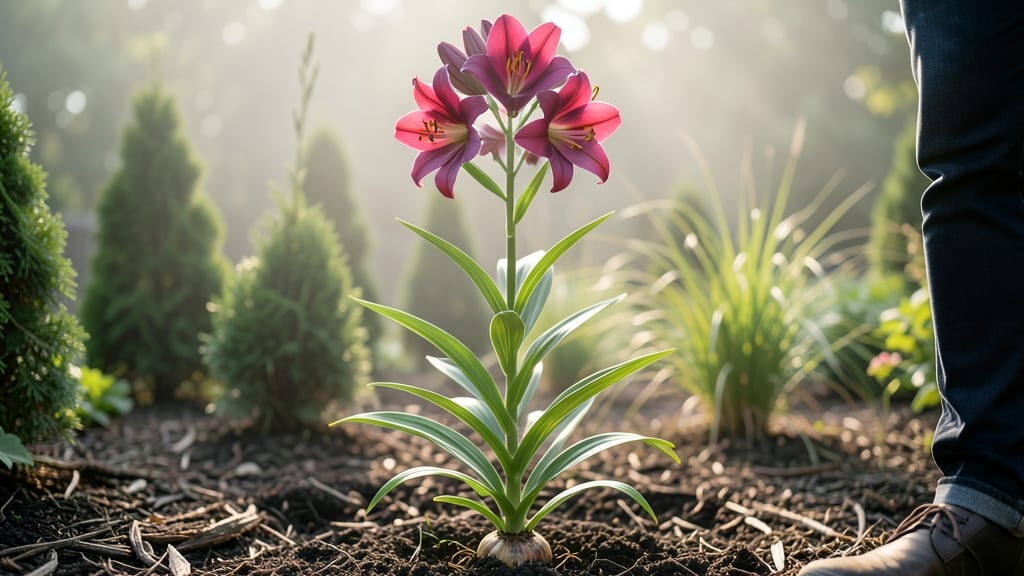
If you’ve ever wondered how tall do lily plants grow, the answer might surprise you—because these stunning 🌸 beauties range from petite garden accents to towering centerpieces that steal the show.
Some varieties barely reach your knee, while others stretch taller than a basketball hoop, making them a game-changer for both small balconies and sprawling backyards.
Choosing the right lily for your space isn’t just about aesthetics—it’s about understanding how each variety matures. Dwarf lilies stay compact, perfect for containers or tight borders, while taller species need room to shine (and sturdy stakes to stay upright).
Whether you’re planning a cottage garden or a modern urban oasis, knowing these height differences is the key to creating a layout that works.
But here’s the thing: height isn’t just about the variety. Sunlight, soil, and even your local climate play a role in how much your lilies will stretch toward the sky.
I’ll break down the specifics—from the shortest lilies that fit in hanging baskets to the giants that demand their own space—and share pro tips to help you control growth naturally.
Ready to pick the perfect lily for your garden? Let’s dive into the numbers, care tricks, and variety recommendations that’ll have your flowers thriving at just the right height—no guesswork required.


Lily plant height ranges by variety: from dwarf to towering giants
If you're dreaming of lilies but worried about space, don't fret! Lily heights span an incredible range—from tiny 3-inch dwarfs to 8-foot giants. The variety you choose will determine whether your lilies become a delicate balcony centerpiece or a dramatic garden focal point.
Understanding these height differences helps you plan layouts, select containers, and even choose companion plants.
Most lilies reach their mature height within 2-3 years after planting, though some dwarf varieties may bloom at their full size in their first year. The key factors influencing height are genetics, sunlight exposure, and soil fertility.
For example, Oriental lilies often grow taller in rich, well-drained soil compared to Asiatic lilies, which stay more compact.
Here’s a quick look at what to expect: Dwarf lilies (1-2 feet) are perfect for containers or small gardens, while standard varieties (4-6 feet) thrive in borders. The tallest lilies, like Martagon lilies, can reach 7-8 feet and need sturdy supports.
Let’s explore the full spectrum so you can pick the perfect lily for your space.
🌸
| Variety | Mature Height | Ideal Growing Conditions | Best For |
|---|---|---|---|
| Miniature Lilies (e.g., 'Little Dream') | 3-12 inches | Full sun to partial shade, well-draining soil | Containers, rock gardens, fairy gardens |
| Dwarf Asiatic Lilies (e.g., 'Tiny Turtle') | 1-2 feet | Full sun, moderate water | Balconies, small borders, mixed containers |
| Asiatic Lilies (e.g., 'Yellow Hammer') | 2-3 feet | Full sun, well-draining soil | Front of borders, cottage gardens |
| Oriental Lilies (e.g., 'Stargazer') | 3-5 feet | Full sun, rich soil, consistent moisture | Back of borders, cut flower gardens |
| Trumpet Lilies (e.g., 'Regale') | 4-6 feet | Full sun, well-draining soil | Focal points, woodland edges |
| Martagon Lilies (e.g., 'Turk’s Cap') | 5-8 feet | Partial shade, moist soil | Woodland gardens, tall borders |
| Candelabra Lilies (e.g., 'African Queen') | 3-5 feet | Full sun, warm climates | Tropical gardens, containers in warm zones |
| Daylilies (Hemerocallis, not true lilies) | 2-3 feet | Full sun to partial shade, adaptable soil | Perennial borders, naturalized areas |
As you can see, the height range is staggering—from a 3-inch miniature to a 7-foot Martagon lily. This diversity means you can find the perfect lily for almost any space, whether you're working with a tiny balcony or a sprawling backyard.
The key is matching the variety to your sunlight conditions and available space.
For example, if you're growing lilies in containers, dwarf Asiatic lilies or miniature varieties are ideal because they won’t outgrow their pots. On the other hand, if you're planting in the ground and want a dramatic statement, Oriental or Trumpet lilies will deliver stunning height and fragrance.
Always consider staking needs—taller varieties like Martagon lilies often require support to prevent flopping in wind or rain.
Another factor to consider is climate compatibility. Some tall lilies, like Candelabra lilies, thrive in warm climates but may struggle in colder regions. Meanwhile, Asiatic lilies are more adaptable and can handle a wider range of temperatures.
Always check your USDA hardiness zone when selecting varieties to ensure they’ll flourish in your area.
Pro tip: If you love the look of tall lilies but have limited space, try pruning techniques to control height. For instance, pinching back the top growth early in the season can encourage bushier, shorter plants.
This works especially well for Oriental lilies, which can become too tall for small gardens. We’ll dive deeper into these growth control methods in the next section.
🌿
How to maximize (or control) lily plant growth height naturally
If you're dreaming of towering lily blooms that command attention in your garden—or need to keep them compact for small spaces—understanding how to influence their height is key. The good news?
With the right techniques, you can naturally encourage lilies to reach their full potential or keep them manageable without chemicals. Let’s dive into proven methods that work for both dwarf varieties and giant lilies alike.
First, let’s address the biggest growth factors: sunlight, soil, and pruning. Lilies thrive in full sun (6+ hours daily), but too much shade can stunt their height. If your garden lacks direct sunlight, consider reflective surfaces like white walls or mirrors to bounce light onto your plants.
For container gardening, place pots in the sunniest spot available—even a south-facing balcony can work with the right variety.
For taller lilies, focus on staking and support. Varieties like Trumpet lilies or Oriental lilies can grow 6+ feet tall and may need bamboo stakes or cages to prevent flopping.
Install stakes early in the season—as soon as the stems reach 12 inches tall—and gently tie stems with soft plant ties. This not only supports height but also protects blooms from wind damage.
Pruning plays a dual role: it can encourage bushier growth (and thus more blooms) or control height in compact varieties. If you’re growing dwarf lilies like Lilium martagon (Turk’s cap lily), pinch back the top growth by 1/3 when stems reach 6 inches tall.
This redirects energy to side shoots, creating a fuller, shorter plant. For taller varieties, remove spent blooms promptly to prevent seed production, which can drain energy from stem growth.
Don’t overlook the power of fertilization timing. A balanced fertilizer (5-10-10) applied in early spring (when shoots emerge) and again in mid-summer (when blooms form) can boost height by 1–2 feet. Avoid late-season fertilizing, as it encourages soft, weak growth that’s prone to flopping.
Pair fertilization with mulching—use organic mulch like straw or shredded leaves to retain moisture and regulate soil temperature, both of which support steady growth.
Lastly, climate matters. Lilies grown in cooler climates (USDA Zones 3–7) often mature taller and sturdier than those in hot, humid zones, where heat stress can weaken stems.
If you’re in a hotter region, provide afternoon shade during peak summer months and increase watering frequency to prevent stress. For container-grown lilies, choose larger pots (12+ inches deep) to accommodate deeper root systems, which naturally support taller growth.