
How To
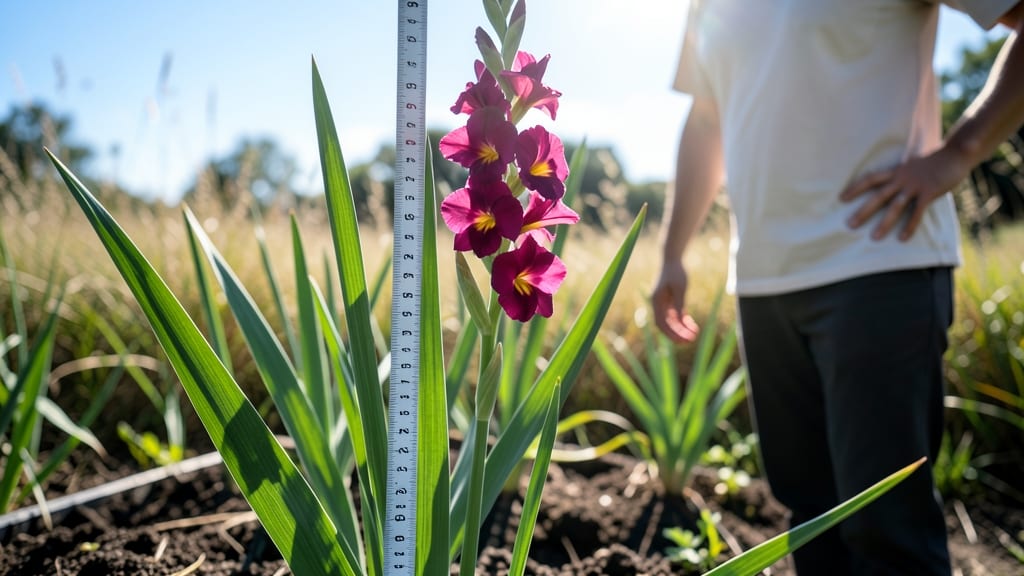
When you picture a garden showstopper, the gladiolus 🌸 often springs to mind—but did you know how tall gladiolus can grow swings from barely waist-high to towering over your head? If you're wondering about their height, the answer depends on the variety, care, and a little luck with the seasons.
Most gardeners expect their gladiolus to reach between 3 to 5 feet, but dwarf varieties can stay as short as 1.5 feet, while giants like 'Green Star' or 'Picasso' can shoot up to 6 feet or more.
That dramatic difference means your choice of cultivar is the first step in planning your garden’s vertical drama.
Beyond variety, sunlight, soil quality, and even watering habits play a role in whether your gladiolus will stretch toward the sky or stay compact. With the right conditions, you can coax even the tallest varieties to thrive—but without proper support, those 5-foot stems might flop like overgrown weeds.
Ready to turn your garden into a gladiolus height show? I’ll break down the exact varieties to plant, seasonal care tips to maximize growth, and staking tricks to keep those towering blooms standing tall all summer long.


Gladiolus height ranges by variety: from dwarf to giant bloomers
Gladiolus plants are famous for their dramatic height variations, ranging from compact border varieties to towering showstopper bloomers. The height you’ll achieve depends entirely on the cultivar you choose, with some varieties reaching over 5 feet tall while others stay neatly under 2 feet.
Understanding these differences helps you plan your garden layout and support needs effectively.
For gardeners with limited space, dwarf gladiolus varieties like 'Pyramid' or 'Picasso' stay between 1.5 to 2.5 feet, making them ideal for container gardening or front-of-border plantings. These compact types also work beautifully in cut flower arrangements where shorter stems are preferred.
Their earlier blooming time (often 2-3 weeks ahead of standard varieties) gives you a head start on summer color.
Most gardeners, however, gravitate toward standard-height gladiolus varieties that typically grow between 3 to 5 feet tall. These include beloved cultivars like 'Green Star', 'White Friendship', and 'Black Star', which deliver that classic dramatic spike of blooms we all love.
These mid-size varieties strike the perfect balance between visual impact and manageable height, making them versatile for mixed borders or back-of-bed plantings.
🌸
| Variety Type | Height Range | Best For | Bloom Time |
|---|---|---|---|
| Dwarf Varieties | 1.5–2.5 ft | Containers, borders, cutting gardens | Early to mid-summer |
| Semi-Dwarf | 2.5–3.5 ft | Mixed beds, back of borders | Mid-summer |
| Standard Height | 3–5 ft | Cut flowers, focal points, tall beds | Late summer |
| Giant Varieties | 4.5–6 ft | Dramatic displays, staking required | Late summer to early fall |
The tallest gladiolus varieties, like 'Green Gold' or 'Pink Parfait', can reach 5 to 6 feet when given ideal conditions. These giants need extra support and nutrient-rich soil to reach their full potential.
They’re perfect for backdrop plantings or when you want to create a wow factor in your garden. Just be prepared for their heavy blooms—these varieties often flop over without proper staking.
If you're growing gladiolus for cut flowers, height matters less than stem strength. Look for varieties with thick, sturdy stems that can support multiple blooms without bending. Varieties like 'Telemon' or 'Attraction' are popular among florists because they produce long-lasting stems that hold up well in arrangements.
For container growing, choose dwarf or semi-dwarf types to avoid overcrowding and ensure stability.
One factor that often surprises new growers is how height varies by year. In their first year, gladiolus corms typically produce shorter stems (2–4 feet) as they focus on establishing roots.
By their second or third year, mature corms can reach their full height potential (3–5 feet). This is why many gardeners divide and replant their corms every few years to maintain vigor and optimal height.
🌿
For gardeners in cooler climates (USDA Zones 5-7), height may be slightly reduced due to shorter growing seasons. In these areas, focus on early-blooming varieties that mature before the first frost.
Conversely, in warmer climates (Zones 8-10), gladiolus can grow even taller with extended sunlight exposure and consistent moisture. Always check your specific cultivar’s daylength requirements, as some varieties need longer daylight hours to trigger blooming.
When selecting gladiolus for your garden, consider not just height but also color coordination and bloom duration. Taller varieties often have longer bloom spikes with more individual flowers, while dwarf types may have fewer but more concentrated blooms.
Mixing heights and colors creates visual interest—place taller varieties at the back of beds and shorter ones in foreground clusters for a natural, layered look.
Gladiolus height ranges by variety: from dwarf to giant bloomers
Gladiolus plants are famous for their dramatic height variations, ranging from compact dwarf varieties to towering giant bloomers that reach 5 feet or more.
The height you can expect depends entirely on the cultivar you choose, with some perfect for borders and others designed to steal the show in mixed beds. Understanding these differences helps you plan spacing, staking, and even companion planting for optimal growth.
For gardeners with limited space, dwarf gladiolus varieties like 'Picasso' or 'Pygmy' stay between 1.5 and 2.5 feet tall, making them ideal for container gardens or front-row plantings. These smaller varieties still produce stunning blooms but require less structural support.
Meanwhile, standard varieties like 'Green Star' or 'Black Star' typically grow 3 to 5 feet tall, perfect for backdrop planting or cut flower arrangements.
| Variety Type | Height Range | Best For | Spacing Needs |
|---|---|---|---|
| Dwarf | 1.5–2.5 ft | Containers, borders | 6–8 inches apart |
| Semi-Dwarf | 2.5–3.5 ft | Mid-height beds | 8–10 inches apart |
| Standard | 3–5 ft | Backdrops, cut flowers | 10–12 inches apart |
| Giant | 4.5–6 ft | Focal points, staking required | 12–18 inches apart |
If you're aiming for maximum height, giant varieties like 'Green Wave' or 'White Prosperity' can surpass 5 feet, but they require extra care to prevent flopping. These towering gladiolus thrive in well-drained soil with consistent moisture and benefit from early staking to support their weight.
For first-year growth, even standard varieties may only reach 2 to 3 feet, but they’ll mature to full height in subsequent years.
Choosing the right variety isn’t just about height—it’s also about bloom color and season length. Early bloomers like 'Attraction' (2.5–3.5 ft) start flowering in mid-summer, while late-season varieties like 'Swan Lake' (4–5 ft) extend your blooms into early fall.
Mixing heights and bloom times creates a continuous display that keeps your garden vibrant from July through September.
Pro tip: Plant taller varieties toward the north side of your garden to avoid shading shorter plants. This simple trick ensures even dwarf gladiolus get their required 6+ hours of sunlight while letting giants shine in the back of the border.
Pairing them with grasses or ornamental stalks also adds natural support and visual interest.
Whether you're a beginner gardener or a seasoned floral enthusiast, selecting gladiolus by height lets you design with purpose. From whimsical borders to grand floral statements, these versatile plants adapt to your vision—just give them the right variety, space, and care to reach their full potential. 🌸