
How To
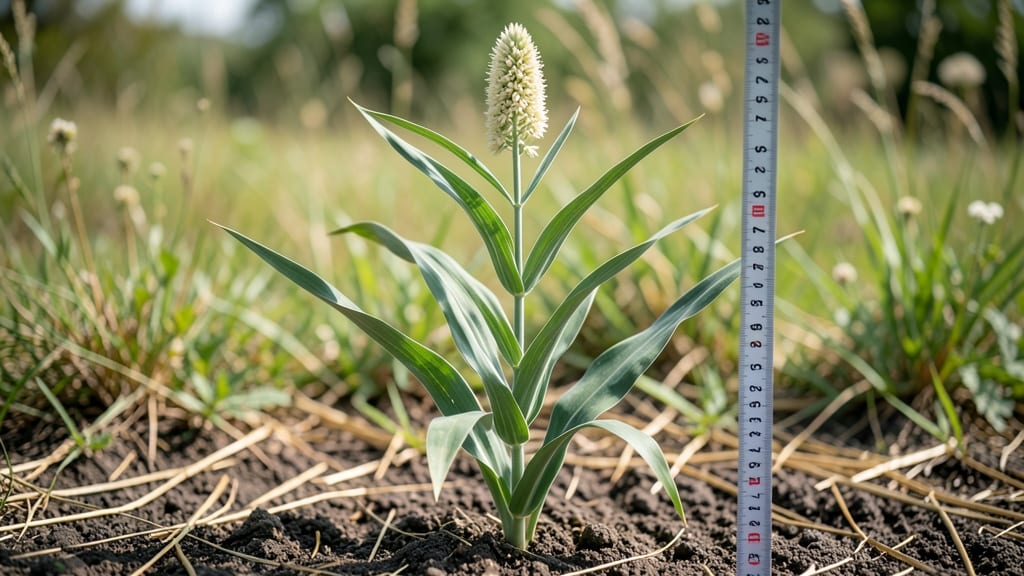
Curious about how tall does triticale grow before you commit to planting? This versatile hybrid grain can reach heights that surprise even seasoned gardeners, with some varieties stretching toward the sky while others stay compact enough for small plots.
Triticale 🌾—that hardy cross between wheat and rye—grows anywhere from 3 to 5 feet at maturity, depending on whether you're growing it for forage, grain, or cover crops.
The key to controlling its height lies in choosing the right variety and optimizing growing conditions, which we'll break down in simple terms.
Whether you're a backyard gardener testing new crops or a farmer planning large-scale planting, understanding triticale's growth potential helps you maximize space and yield. Let's explore how soil, sunlight, and variety selection can turn your triticale into a towering forage crop or a manageable grain harvest.
From dwarf varieties perfect for small gardens to towering types ideal for livestock forage, we'll cover everything you need to know to get the height you want. Ready to discover how to grow triticale that fits your space and goals?


Triticale height ranges by variety: dwarf to giant options explained
If you're planning to grow triticale—whether for grain production, livestock forage, or soil cover—understanding its height variations is essential. This hybrid grass can range from 3 feet to over 5 feet at maturity, depending on the variety and growing conditions.
For example, dwarf triticale varieties stay compact, ideal for high-density planting, while tall forage types reach their full height to maximize biomass for livestock feed.
Breeders have developed triticale varieties tailored to specific needs, including spring types (planted in early spring) and winter types (hardier, planted in fall). The height differences between these types can impact everything from harvest efficiency to space management in your garden or field.
For instance, a dwarf grain variety might top out at 3 feet, while a forage type could easily exceed 5 feet.
Here’s how triticale height breaks down by variety and purpose, including the best options for home gardens versus large-scale agriculture:
| Variety Type | Height Range | Primary Use | Notes |
|---|---|---|---|
| Dwarf Grain Types | 3–4 ft | Grain production | Ideal for small plots; easier to harvest. |
| Semi-Dwarf Spring | 3.5–4.5 ft | Dual-purpose (grain/forage) | Balanced height for flexibility in use. |
| Standard Forage Types | 4–5 ft | Livestock feed | Maximizes biomass for hay or grazing. |
| Winter Triticale | 3.5–5 ft | Cover crop/soil health | Cold-hardy; suppresses weeds effectively. |
| Tall Forage Hybrids | 5–6 ft | High-yield forage | Requires more space; best for large farms. |
The height differences between these varieties aren’t just about aesthetics—they directly impact yield potential and management ease. For example, dwarf triticale is perfect for home gardeners with limited space, as its compact stature makes it easier to harvest by hand.
Meanwhile, tall forage types are designed for mechanical harvesting, making them ideal for large-scale livestock operations where biomass production is the priority.
If you're growing triticale for grain, opt for a dwarf or semi-dwarf variety to simplify harvesting and reduce lodging (when plants fall over). For forage or cover crops, taller varieties will provide more leafy biomass, which is critical for feeding livestock or protecting soil.
Always check the seed packet or breeder’s recommendations for the exact mature height of the variety you’re planting.
One common misconception is that taller triticale always means better yield. In reality, the ideal height depends entirely on your growing goals. A 5-foot forage type might produce more leaf material, but a 3.5-foot grain variety could yield more high-quality kernels per square foot.
For home gardeners, I recommend starting with a semi-dwarf variety like 'Pioneer 25R51' or 'AgriPro Triticale 38M62,' which offer a balanced height of 3.5–4.5 feet and adapt well to smaller plots.
For large-scale farmers, taller varieties like 'TAM 111' or 'Wheeler' can reach 5–6 feet, making them ideal for mechanical harvesting and maximizing forage output. However, these varieties require more space and may need additional support (like windbreaks) to prevent lodging in
How growing conditions affect triticale height: sunlight, soil, and climate factors
Triticale's mature height isn't set in stone—it responds dramatically to growing conditions. Sunlight exposure, soil fertility, and climate zones can push this hybrid grain from 3-foot dwarf varieties to towering 5-foot forage types.
Understanding these factors lets you fine-tune growth for your specific needs, whether you're aiming for dense grain production or lush forage.
Let's break down the key environmental factors that influence triticale height, so you can create ideal conditions for your plants. The right balance of these elements can mean the difference between compact, efficient growth and sprawling, less productive stalks.
🌱 Key Factors Affecting Triticale Height
- Sunlight: 6+ hours daily = optimal 4-5 ft growth; less than 5 hours = stunted 2-3 ft plants
- Soil nutrients: High nitrogen = taller forage types (5+ ft); balanced NPK = ideal 3-4 ft grain varieties
- Water availability: Consistent moisture = full height potential; drought stress = 1-2 ft shorter plants
- Temperature: Cool climates (Zones 4-6) = slower growth (3-4 ft); warmer zones (7+) = faster but sometimes weaker stems
- Planting density: Close spacing (6" apart) = shorter, bushier plants; wide spacing (12"+) = taller, leggier growth
For home gardeners, controlling these factors is simpler than you might think. Start with well-draining soil enriched with compost or balanced fertilizer (10-20-10 NPK ratio). This foundation supports healthy stem development without excessive height.
Remember, taller triticale doesn't always mean better—dwarf varieties often produce higher grain yields per square foot due to their compact growth habit.
Climate plays a surprisingly large role in height regulation. In cooler northern regions, triticale naturally grows slower and stays shorter (3-4 ft), while warmer southern climates can push some varieties to 5+ feet.
If you're in a hotter zone, consider shade cloth during peak summer to prevent excessive height and maintain plant vigor. This simple adjustment can keep your triticale at an ideal 4-foot height while maximizing yield.
The watering schedule directly impacts stem strength and height. Deep, infrequent watering (1-1.5 inches weekly) encourages deeper root systems and more compact growth. In contrast, frequent light watering can lead to taller but weaker stalks prone to lodging—when plants flop over from their own weight.
For grain production, aim for consistent moisture rather than overwatering, which promotes height over yield.
One often-overlooked factor is planting depth. Seeds planted 1-2 inches deep in loose, fertile soil produce the most consistent height. Deeper planting can stunt growth, while shallow planting may result in leggy, unstable plants.
Pair this with proper spacing (6-12 inches apart) to give each plant room to develop strong stems without competing for sunlight or nutrients.
By mastering these growing conditions, you'll gain precise control over triticale height—whether you need compact plants for small gardens or tall forage for livestock. The key is observation: monitor your plants' growth patterns and adjust conditions as needed throughout the season.
With the right approach, you can achieve the perfect height for your specific triticale goals. 🌾