
Leaf Blower
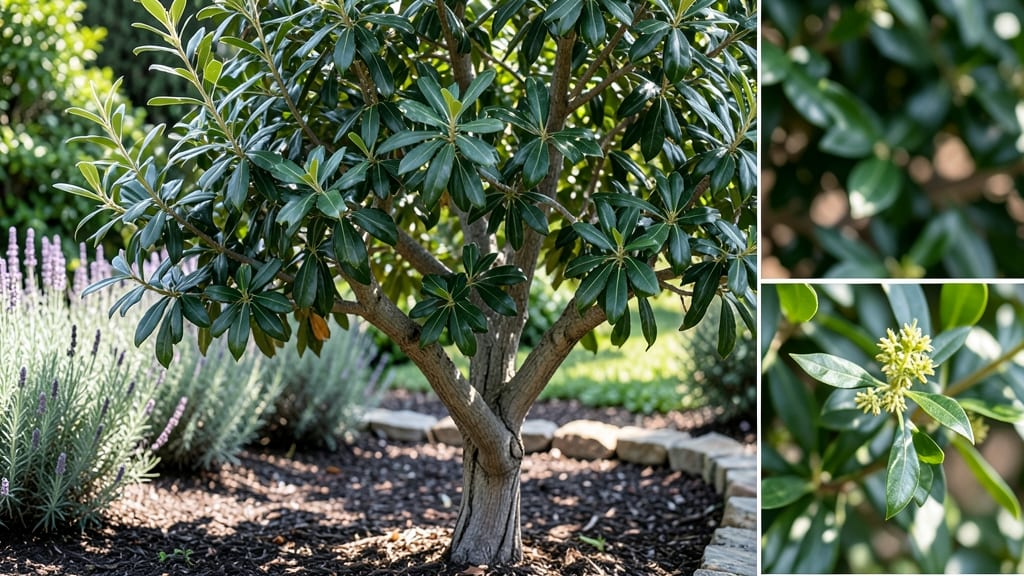
Wondering how tall does a bay leaf tree grow before it outgrows your cozy kitchen or balcony? The answer might surprise you—this 🌿 Bay Laurel Tree can reach towering heights of 10 to 40 feet outdoors, but with the right care, you can keep it compact indoors for years.
If you're dreaming of fresh bay leaves for cooking but don’t want a jungle in your home, the secret lies in pruning and placement.
Without proper maintenance, a bay tree can grow unruly, but with a few simple techniques, you can shape it to fit your space perfectly—whether that’s a 3-foot countertop companion or a 6-foot living room statement.
Let’s break down what influences its height—from sunlight and soil to the type of pruning you use—and how to keep your bay tree thriving while controlling its size. You’ll learn when to prune, what tools to use, and even whether it’s better suited for pots or your garden.
Ready to enjoy your own homegrown bay leaves without the space worries? The key is understanding its growth habits and giving it the care it needs to stay manageable. Let’s get started!


Natural height of bay leaf trees: what to expect indoors vs. outdoors
Bay leaf trees (Laurus nobilis) are stunning evergreens prized for their aromatic leaves, but their natural height can vary dramatically depending on where you grow them. Outdoors, these trees can reach stunning heights of 10–40 feet, while indoors, they typically stay between 6–12 feet with proper care.
Understanding these differences helps you plan your garden or balcony layout before committing to a tree.
The growth rate of a bay leaf tree is another critical factor. In ideal conditions, they grow 12–24 inches per year, meaning a 10-foot tree could take 5–10 years to mature outdoors.
Indoors, growth is slower due to limited space and light, so patience is key if you’re aiming for a full-sized tree in a container.
Light exposure plays a massive role in height control. Outdoor bay trees thrive in full sun to partial shade, encouraging rapid vertical growth. Indoor trees, however, often stretch toward light sources, becoming leggy and top-heavy.
Without enough bright indirect light, your tree may never reach its full potential height—or worse, become weak and prone to pests.
Soil quality and variety also influence height. Standard bay trees (Laurus nobilis) grow tallest, while dwarf varieties like 'Angustifolia' stay compact at 8–12 feet. Well-draining, slightly acidic soil (pH 6.0–7.0) ensures healthy growth, while poor soil can stunt your tree’s development.
If you’re growing in containers, repotting every 2–3 years gives roots room to expand, supporting a stronger, more balanced structure.
🌱
If you’re growing a bay leaf tree indoors, expect it to reach 6–12 feet without aggressive pruning. However, with regular pruning and container constraints, you can keep it even smaller—ideal for kitchens or sunrooms.
The key is to prune in late winter or early spring before new growth begins, removing 1/3 of the oldest growth to encourage bushier, more controlled development.
For outdoor planting, bay trees can become small trees or large shrubs, depending on pruning habits. In Mediterranean climates (USDA zones 7–10), they thrive as ornamental trees, while in colder zones, they’re often grown as container plants and moved indoors during winter.
Always choose a well-draining spot with partial shade to prevent leggy growth and ensure a sturdy structure.
One common misconception is that bay trees grow too fast for indoor spaces. In reality, their slow growth rate makes them manageable if you start with a dwarf variety or use container gardening. Just remember: light is everything.
A bay tree in a north-facing window will grow slowly and weakly, while one near an east or west window with 4–6 hours of morning or afternoon sun will stay healthier and more compact.
To summarize, the height of your bay leaf tree depends on location, variety, and care. Outdoors, they can tower over your garden, while indoors, they’re perfect for kitchen herbshelves or balcony gardens—as long as you’re prepared to prune and monitor their growth.
With the right approach, you can enjoy fresh bay leaves without sacrificing your space.
🌿
Natural height of bay leaf trees: what to expect indoors vs. outdoors
A bay leaf tree (Laurus nobilis) is a stunning evergreen that can reach impressive heights—up to 40 feet outdoors under ideal conditions. But indoors, its growth is far more manageable with proper care. Understanding these differences helps you plan your space and avoid surprises.
Whether you're growing it as a houseplant or an outdoor shrub, knowing its potential height is key to keeping it happy and compact.
Outdoor bay trees thrive in USDA zones 7-10 and can grow into small trees, while indoor varieties typically stay between 6-10 feet tall with regular pruning. The growth rate also varies—outdoor trees may grow 1-2 feet per year, while indoor trees grow slower due to limited space and light.
Dwarf varieties, like the 'Angustifolia' cultivar, are perfect for containers and rarely exceed 8 feet.
Here’s how height expectations break down for both settings:
| Setting | Mature Height | Growth Rate | Best Variety |
|---|---|---|---|
| Outdoors | 10–40 ft | 1–2 ft/year | Standard Laurus nobilis |
| Indoors (potted) | 6–10 ft (pruned) | 6–12 in/year | Dwarf or 'Angustifolia' |
| Container (small pot) | 3–6 ft (pruned) | 3–6 in/year | 'Golden Bay' |
Light exposure plays a huge role in height control. A bay tree grown indoors with bright indirect light (like an east or west-facing window) will stay smaller and bushier than one basking in direct sun.
If you notice leggy growth, it’s a sign your tree needs more light or a pruning session to encourage compactness. Outdoor trees, however, love full sun and will naturally grow taller if unchecked.
Soil quality and container size also impact height. Root-bound trees grow slower, while those in large pots or garden beds can stretch rapidly. If you’re growing a bay tree in a 10-gallon pot, expect it to stay under 6 feet with regular pruning.
For outdoor planting, choose a well-draining, slightly acidic soil to support healthy growth without excessive height spikes.
Pruning is your best friend for controlling height. Even outdoor trees can be kept as shrubs with strategic trimming. Aim to prune in late winter or early spring to shape the tree and encourage dense foliage. Avoid heavy pruning in fall, as new growth may not harden off before winter.
With the right approach, you can enjoy a bay tree that fits your space—whether it’s a kitchen windowsill or a backyard garden. 🌿