
Trees
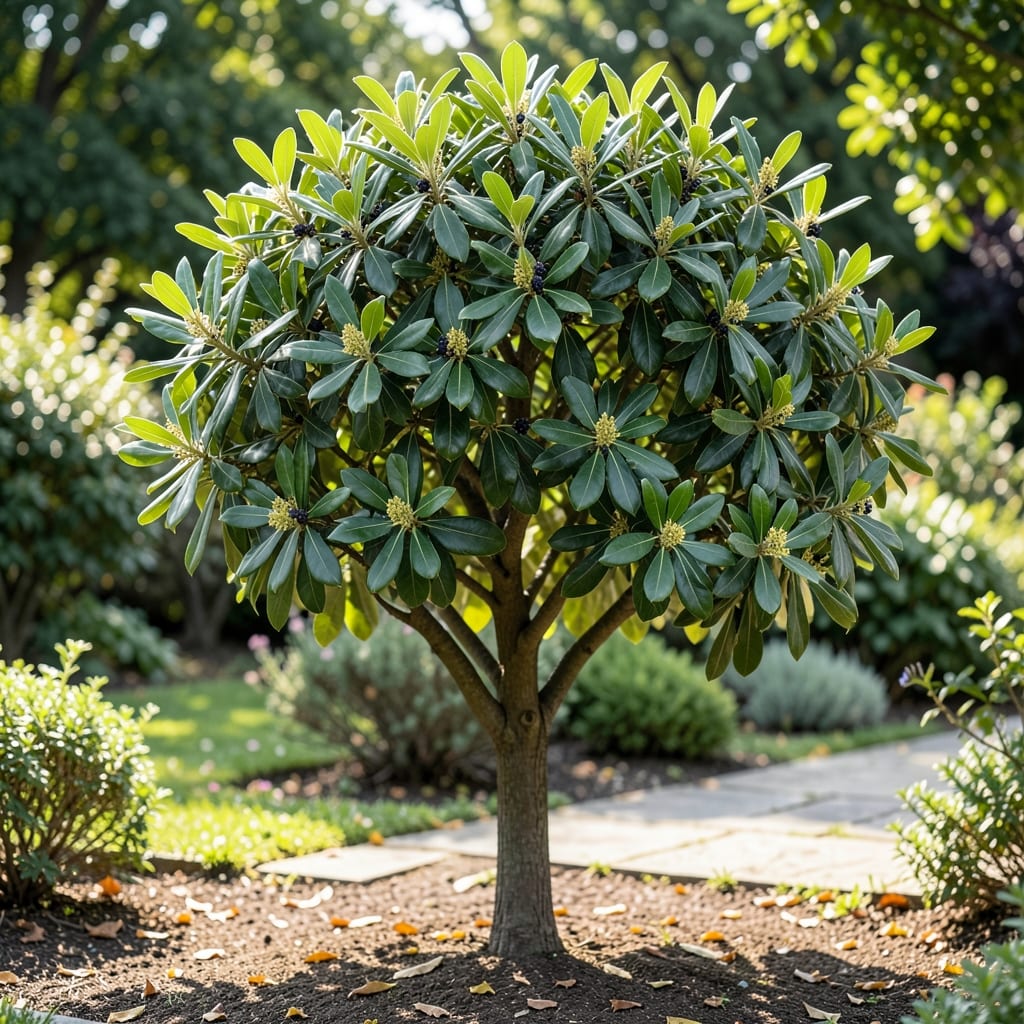
Wondering how tall do bay trees grow before they become a towering presence in your yard? The answer might surprise you—some varieties stay compact enough for containers, while others shoot up like skyscrapers in your landscape. 🌿 Whether you're planning a kitchen garden or a grand backyard, knowing these height ranges is the key to choosing the perfect cultivar for your space.
Bay trees like the classic Laurus nobilis can reach 20 to 50 feet at maturity, making them more of a statement piece than a patio plant. But don't worry—dwarf varieties like 'Angustifolia' stay a manageable 8 to 12 feet, perfect for smaller gardens or even large pots. The right choice depends on your goals: culinary use, ornamental appeal, or even privacy screening.
Growth speed varies too—some bay trees grow 2 to 4 feet in their first year, while others take decades to reach their full height. Pruning plays a huge role here; regular trimming can keep even the tallest varieties in check. If you're working with limited space, container growing is an option, but you'll need to plan for root space and sunlight.
In this guide, I’ll break down the height ranges of popular bay tree cultivars, how fast they grow, and the best ways to manage their size—whether you want a kitchen herb garden or a fragrant hedge. Let’s get started!


Bay tree mature height by cultivar: small to giant varieties
Bay trees (Laurus nobilis) are stunning evergreens prized for their glossy leaves and aromatic fragrance, but their mature height can vary dramatically depending on the cultivar. The standard bay tree can soar to 50 feet in ideal conditions, while dwarf varieties stay under 12 feet, making them perfect for containers or small gardens. Choosing the right type ensures your bay tree fits your space without overwhelming it.
The most common bay tree, Laurus nobilis, is the tallest variety, often reaching 20–50 feet in landscapes. This standard cultivar thrives in Mediterranean climates but can grow even taller in warm, humid regions. If you’re envisioning a privacy screen or backyard focal point, this is the classic choice—but be prepared for its eventual size.
For smaller spaces, dwarf bay trees like ‘Aurea’ or ‘Angustifolia’ are game-changers. These compact cultivars max out at 8–12 feet, making them ideal for patio planters, urban gardens, or kitchen windowsills. Their slower growth rate also means less maintenance over time, though they still benefit from occasional pruning to maintain shape.
Another standout is the umbrella-shaped ‘Umbraculifera’, which grows 10–15 feet tall but spreads wider than it grows. This bushier habit makes it perfect for hedges or low borders, offering both height and width without the vertical dominance of standard varieties. Its unique shape also adds visual interest to garden designs.
🌿
| Cultivar | Mature Height | Growth Habit | Best For |
|---|---|---|---|
| Laurus nobilis (Standard) | 20–50 ft | Tall, upright | Privacy screens, large landscapes |
| ‘Aurea’ (Dwarf) | 8–12 ft | Compact, bushy | Containers, small gardens |
| ‘Angustifolia’ (Narrow Leaf) | 10–15 ft | Slender, upright | Hedges, narrow spaces |
| ‘Umbraculifera’ (Umbrella) | 10–15 ft | Wide-spreading, rounded | Borders, focal points |
| ‘Intermedia’ (Semi-Dwarf) | 12–20 ft | Medium height, bushy | Medium gardens, hedges |
Height ranges assume ideal growing conditions (full sun, well-draining soil, regular pruning).
If you’re torn between cultivars, consider your garden layout and sunlight. Standard bay trees need full sun and space, while dwarf varieties adapt well to partial shade or containers. For example, ‘Aurea’ thrives in 5-gallon pots on patios, while ‘Umbraculifera’ can be pruned into a low, wide hedge for a modern look.
One often-overlooked factor is root competition. Bay trees have aggressive root systems, so planting them near foundations or sidewalks risks damage. Always space dwarf varieties 6–8 feet apart and standard types 15–20 feet apart to prevent overcrowding. In containers, ensure pots are at least 18 inches deep to accommodate root growth.
For culinary use, dwarf varieties like ‘Aurea’ are ideal—their smaller leaves are easier to harvest, and their slower growth means you won’t waste years waiting for edible foliage. Standard bay trees also produce leaves, but their height makes harvesting impractical unless you’re committed to ladder maintenance!
🌳
Bay tree mature height by cultivar: small to giant varieties
When planning your garden, knowing the mature height of bay trees is crucial—especially if you’re balancing space with their stunning fragrant foliage. The classic Laurus nobilis (common bay tree) can soar to 20–50 feet, making it a grand addition to large landscapes or even as a privacy screen. But if you’re working with limited space, dwarf varieties offer the same aromatic benefits without the towering stature.
Dwarf cultivars like 'Angustifolia' and 'Umbraculifera' (also called "umbrella bay") typically max out at 8–12 feet, perfect for small gardens or even large containers. Meanwhile, semi-dwarf types like 'Aurea' (golden bay) reach 12–20 feet, striking a balance between manageable size and dramatic presence. Each variety’s growth habit also varies—some grow upright, while others spread wider, so your choice depends on both height and shape.
🌿
| Cultivar | Mature Height | Growth Habit | Best For |
|---|---|---|---|
| Laurus nobilis (Standard) | 20–50 ft | Upright, pyramidal | Large gardens, privacy screens |
| Angustifolia (Dwarf) | 8–12 ft | Compact, bushy | Containers, small yards |
| Umbraculifera (Umbrella) | 10–15 ft | Wide, flat-topped | Ornamental focal points |
| Aurea (Golden) | 12–20 ft | Upright, variegated | Color contrast in gardens |
If you’re growing bay trees for culinary use, dwarf varieties like 'Angustifolia' are ideal—they produce plenty of aromatic leaves while staying within reach for easy harvesting. For ornamental purposes, the umbrella-shaped 'Umbraculifera' adds a unique silhouette to landscapes. Meanwhile, the standard Laurus nobilis is best suited for large properties where its towering presence can be fully appreciated.
One key factor influencing height is pruning. Even standard bay trees can be kept smaller with regular trimming, while dwarf varieties may need minimal intervention to maintain their shape. For container growing, choose a cultivar that fits your pot’s size—Angustifolia thrives in 15–20 gallon containers, while larger varieties need 50+ gallons to prevent root binding.
🌳
Before planting, check your USDA hardiness zone—bay trees thrive in zones 7–10, and their growth rate accelerates in warmer climates. In cooler regions, growth may slow, but with proper care, they’ll still reach their mature height over time. Whether you’re aiming for a kitchen herb garden or a fragrant hedge, selecting the right cultivar ensures your bay tree fits perfectly into your vision.