
How To
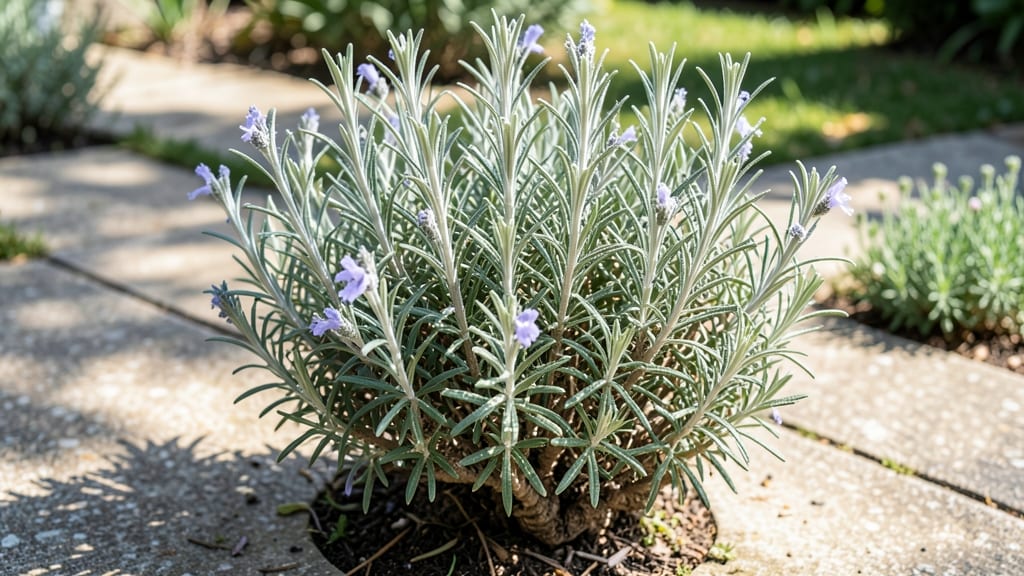
If you're planning a garden with how tall do salvia grow top of mind, you’re already ahead of the curve—because these plants can be both a showstopper and a space-saver, depending on the variety.
Some Salvia 🌸 varieties stay compact at just 1-2 feet, perfect for borders or containers, while others reach towering heights of 4-6 feet, making them ideal for dramatic backdrops or privacy screens.
The key to getting the look you want lies in choosing the right species. Salvia nemorosa, for example, typically grows 2-3 feet tall with a bushy habit, while Salvia leucantha can stretch up to 5 feet with proper care.
Even within a single type, growth habits can shift based on pruning, sunlight, and soil conditions—so knowing these details upfront saves you from post-planting surprises.
Whether you're designing a pollinator-friendly meadow or a cozy cottage garden, understanding Salvia’s height range helps you place it strategically. Too tall for your space? Pruning and staking can keep it manageable. Dreaming of a lush, eye-catching hedge?
Some varieties thrive when trained to grow taller. Let’s break down the exact heights by type so you can pick the perfect fit for your garden vision.
From dwarf varieties that barely peek over a windowsill to giants that rival small shrubs, Salvia’s versatility is one of its biggest charms. The right choice can transform your outdoor space—without the guesswork. Ready to find your match?


Salvia plant height by species: dwarf to towering varieties explained
Salvia plants offer a stunning range of heights, from compact dwarf varieties perfect for borders to towering giants that create dramatic backdrops. Understanding these differences helps you choose the right type for your garden design—whether you need a low-maintenance border or a privacy screen.
Let’s explore the exact heights of popular salvia species and their growth habits.
Most salvia varieties fall into three height categories: dwarf (1-2 ft), medium (2-4 ft), and tall (4-6 ft). The height you achieve depends on the species, your climate zone, and how you prune and support the plant.
For example, Salvia officinalis (common sage) typically stays under 2 ft, while Salvia nemorosa can reach 4-5 ft with proper care.
Here’s a quick look at how salvia heights compare to common garden features: a dwarf salvia fits neatly in a window box (1-2 ft), while a tall variety can rival a mailbox (4-6 ft). This variety makes salvia a versatile choice for almost any garden space.
| Variety | Average Height | Spread | Growth Habit |
|---|---|---|---|
| Salvia officinalis (Common Sage) | 1-2 ft | 1-2 ft | Shrubby, woody |
| Salvia nemorosa (Purple Sage) | 3-5 ft | 2-3 ft | Clumping, upright |
| Salvia leucantha (Mexican Bush Sage) | 4-6 ft | 3-4 ft | Tall, bushy |
| Salvia 'May Night' | 4-5 ft | 2-3 ft | Upright, dense |
| Salvia 'Amistad' | 3-4 ft | 2-2.5 ft | Compact, rounded |
| Salvia microphylla (Autumn Sage) | 2-3 ft | 2-3 ft | Bushy, sprawling |
| Salvia 'Hot Lips' | 1.5-2.5 ft | 1.5-2 ft | Compact, mounding |
If you’re planning a garden border, Salvia officinalis or Salvia 'Hot Lips' are excellent choices, as they stay under 2.5 ft and create a neat, tidy look.
For a backyard privacy screen, Salvia leucantha or Salvia nemorosa can reach 5-6 ft, providing both height and seasonal interest with their striking foliage and blooms.
Some salvia varieties, like Salvia 'May Night', benefit from regular pruning to maintain their shape and prevent them from becoming top-heavy and floppy. Others, such as Salvia microphylla, naturally spread wider than they grow tall, making them ideal for ground cover or mass planting in sunny areas.
For container gardening, opt for dwarf varieties like Salvia officinalis
Support needs for tall Salvia: staking, trellising, and grouping tips
Tall Salvia varieties like Salvia 'May Night' or Salvia 'Amistad' can reach heights of 4-6 feet, but their sturdy stems aren’t always enough to handle wind or heavy blooms. Without support, they may flop over or become leggy, ruining their dramatic effect.
The good news? Simple techniques like staking, trellising, or strategic plant grouping can keep them upright while enhancing their natural beauty.
For Salvia nemorosa or Salvia officinalis, which grow 2-3 feet tall, support is less critical—but it still helps maintain a neat, bushy shape. The key is choosing the right method based on your plant’s height and your garden’s layout.
Whether you’re working with a small container or a large perennial bed, these solutions will keep your Salvia standing tall and proud.
🌿
🪴 Support Solutions for Tall Salvia
- Staking: Use bamboo stakes or metal rods (3-4 feet tall) inserted 1 inch from the stem. Tie stems loosely with soft plant ties to avoid damaging the bark. Best for Salvia leucantha or Salvia 'Hot Lava', which can top 5 feet.
- Trellising: Install a DIY trellis (wooden lattice or wire mesh) for a vertical garden effect. Train stems to grow upward by gently weaving them through the trellis. Ideal for Salvia 'May Night', which thrives when given upward support.
- Grouping: Plant tall Salvia in clusters of 3-5 to create natural windbreaks. Their bushy growth will lean slightly but stay upright, mimicking a wildflower meadow look. Perfect for Salvia nemorosa in perennial borders.
- Container Support: For potted Salvia, use a wide, sturdy pot (12+ inches in diameter) with a built-in cage or mini trellis. Add gravel or rocks at the base to weigh down the pot and prevent tipping.
When choosing support, consider your Salvia’s mature height and your garden’s wind exposure. In high-wind areas, opt for staking or grouping, while low-wind zones may only need occasional pruning to encourage bushiness.
For container gardens, combine support with regular pruning to prevent stems from becoming too top-heavy.
Pro tip: If you’re growing Salvia for cut flowers, staking not only keeps plants upright but also makes harvesting easier. Just be sure to water deeply before cutting to keep stems sturdy. With the right support, your tall Salvia will thrive year after year without losing its majestic presence.
🌳