
Size
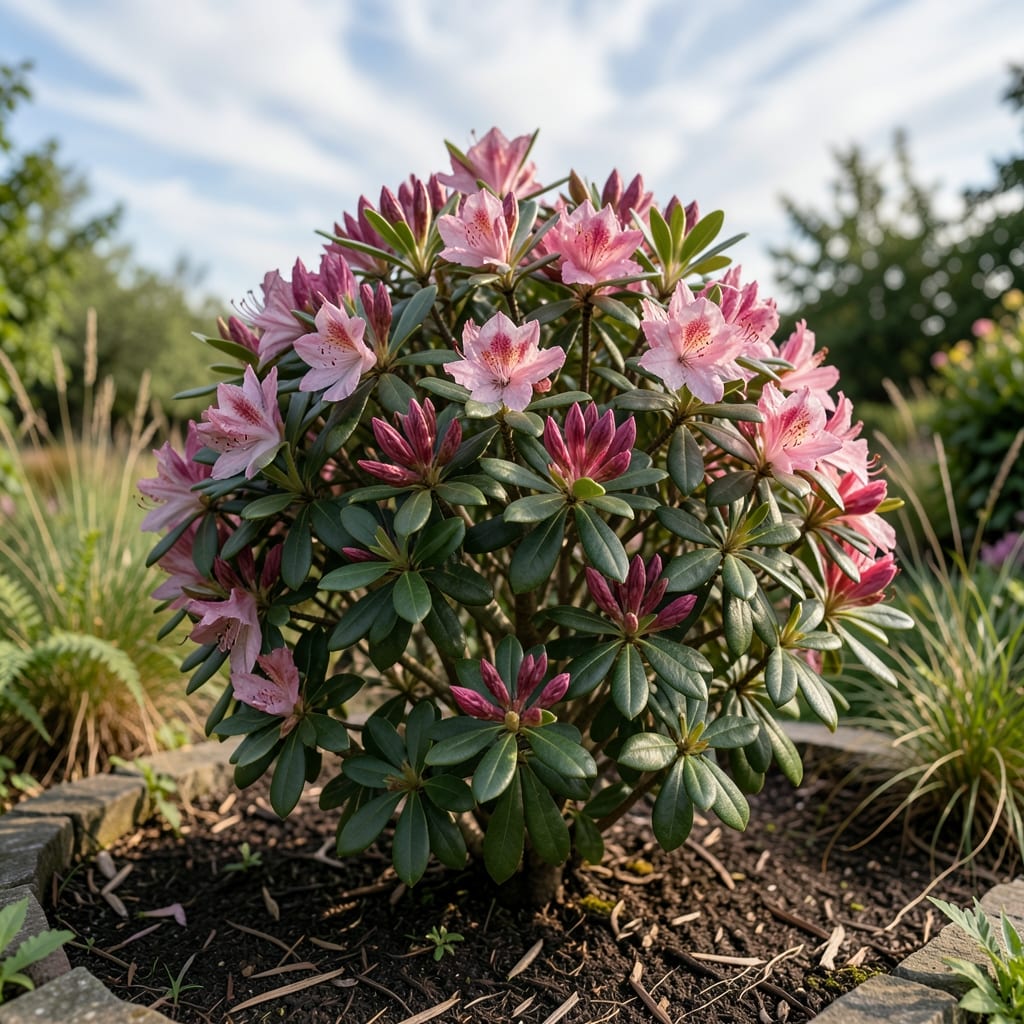
If you’ve ever wondered how tall do azalea plants grow, the answer might surprise you—these stunning 🌸 shrubs can range from tiny tabletop-sized varieties to towering garden statements, all depending on the type you choose.
Picture this: one azalea stays neatly contained in a window box, while another stretches toward your roofline. The difference? Variety selection and a little care know-how. Whether you’re designing a cozy container garden or a sprawling landscape, understanding these height variations is your first step to creating the perfect azalea display.
From dwarf azaleas that top out at just 2–3 feet to standard varieties that reach 10 feet or more, we’ll break down the exact growth ranges for the most popular types—plus the secrets to controlling their height through pruning and placement.
Ready to transform your garden with azaleas that fit your space perfectly? Let’s explore the heights, care tips, and design pairings that will make your outdoor space bloom with confidence.


Azalea height by type: exact growth ranges for 10 popular varieties
Azaleas are one of the most versatile shrubs in gardening, offering everything from tiny container plants to towering garden focal points. The key to choosing the right variety lies in understanding their mature heights—because what fits in a window box won’t work as a hedge! Let’s dive into the exact growth ranges for 10 beloved azalea types, so you can pick the perfect fit for your space.
First, know that azaleas fall into three broad categories: dwarf varieties (2–4 feet), semi-dwarf varieties (4–6 feet), and standard varieties (6–12 feet). The difference isn’t just about aesthetics—it also impacts how you’ll prune, space, and care for your plants. For example, a 6-foot azalea needs more room to breathe than a 2-foot dwarf, which can thrive in tight spots.
Below, you’ll find a comparison of the most popular azalea types, including their mature heights, growth habits, and ideal uses. Whether you’re designing a small patio garden or a large landscape, this guide will help you visualize how each variety will perform in your space.
| Variety | Type | Mature Height | Growth Rate | Best For |
|---|---|---|---|---|
| Girard’s 'Dwarf' Azalea | Dwarf | 2–3 ft | Slow | Containers, window boxes |
| Kurume Azalea 'Hino Crimson' | Dwarf | 2–4 ft | Moderate | Borders, small gardens |
| Rhododendron 'Nova Zembla' | Semi-Dwarf | 4–5 ft | Moderate | Foundation plantings |
| Evergreen Azalea 'Rose Glory' | Standard | 6–8 ft | Fast | Privacy screens, hedges |
| Deciduous Azalea 'Oconee' | Standard | 8–10 ft | Fast | Large landscapes |
| Kodokan 'Yaku Princess' | Dwarf | 2–3 ft | Slow | Rock gardens, bonsai |
| Rhododendron 'PJM' | Semi-Dwarf | 5–7 ft | Moderate |
How to control azalea height: pruning, spacing, and variety selectionIf you’re dreaming of compact azaleas that fit your patio or tall shrubs that frame your garden, the key lies in pruning techniques and smart variety selection. Unlike some plants, azaleas respond beautifully to strategic trimming, letting you shape their height and fullness. But timing and method matter—cut too late, and you risk sacrificing next year’s spring blooms. Start by choosing the right azalea variety for your space. Dwarf varieties like ‘Little Jim’ or ‘P.J.M.’ stay under 3 feet, perfect for containers or small gardens. Meanwhile, standard types like ‘Girard’s Pink’ can reach 10 feet or taller, making them ideal for hedges or privacy screens. Your selection sets the foundation for height control. 🌸 1
Prune after flowering (late spring to early summer) to avoid cutting off next year’s buds. Use clean, sharp shears to make cuts at a 45-degree angle just above a leaf node.
2
Space plants according to mature size: Dwarf azaleas need 2–3 feet of space, while standard types require 6–10 feet. Overcrowding leads to competition for nutrients and stunted growth.
3
Thin out dense growth in early spring to improve airflow and reduce disease risk. Remove 1/3 of the oldest stems at the base to encourage new, vigorous growth from the center.
4
Avoid heavy pruning in fall—this can stress the plant before winter. Instead, focus on light shaping or removing dead wood to keep the plant healthy.
5
Use mulch to control height: Apply 2–3 inches of acidic mulch (like pine bark) around the base. This suppresses weeds, retains moisture, and discourages overly aggressive growth by keeping roots cool.
For container-grown azaleas, pruning is even more critical. Since roots are confined, growth can become top-heavy and leggy. Pinch back new growth tips in early summer to encourage bushier, more compact growth. And remember: regular pruning keeps azaleas healthier and more bloom-prolific. If your azalea is already too tall for your space, don’t panic. You can gradually reduce height over 2–3 years by pruning back 1/3 of the height each season. Pair this with balanced fertilization (like a 10-10-10 NPK blend) to support recovery. With patience, even a 10-foot giant can become a manageable 6-foot shrub. 🌿 Pro tip: Pair tall azaleas with low-growing companions like heuchera or ajuga to create stunning height contrast in your garden. This not only adds visual interest but also helps control azalea growth by limiting their dominance in the landscape. Happy pruning! |