
Plants
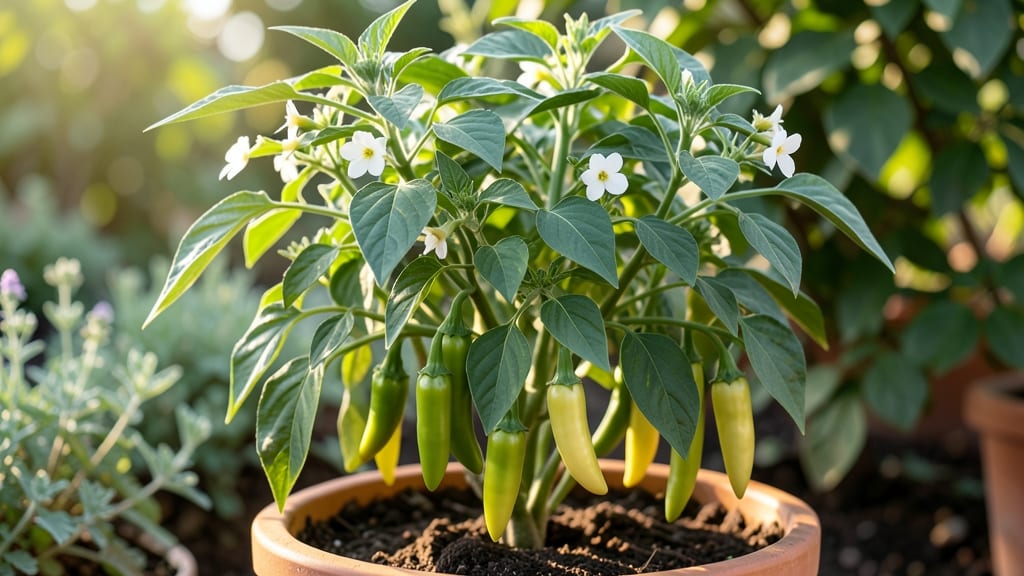
Wondering how tall do pepperoncini plants grow before they start filling your garden with spicy little treasures? These compact 🌶️ powerhouses typically stay between 12 and 24 inches, making them perfect for small spaces or containers—no sprawling vines required.
What makes pepperoncini so special is their ability to thrive without taking over. Whether you're working with a balcony planter or a sunny windowsill, their manageable height means you can grow them almost anywhere.
The key to keeping them at their ideal size? A little pruning and proper spacing from the start.
Sunlight and soil play huge roles in their growth too. These peppers love full sun but won’t demand it 24/7—just 6-8 hours daily keeps them happy. Rich, well-draining soil helps them reach their full potential without stretching too tall.
With the right care, you’ll get a steady harvest of those tangy, spicy peppers without the headache of managing a towering plant.
Ready to grow your own? I’ll show you exactly how to support their growth, choose the right variety, and keep them productive all season long—no green thumb required.


Pepperoncini plant height guide: compact growth expectations
Pepperoncini plants are the perfect choice for gardeners with limited space but big dreams of growing their own spicy peppers. Unlike their towering bell pepper cousins, these plants stay compact and manageable, typically reaching heights between 12 and 36 inches depending on variety and care.
Understanding their growth patterns helps you plan your garden layout and maximize your harvest without sacrificing space.
Most pepperoncini varieties mature between 1 and 3 feet tall, making them ideal for containers, raised beds, or small garden plots. Dwarf varieties can stay as short as 12 inches, while standard types may stretch up to 3 feet.
The key to controlling height lies in proper pruning, sunlight exposure, and support, which we’ll explore further below.
🌱 Did You Know?
Pepperoncini plants
typically grow 30-50% shorter than standard bell peppers, making them perfect for small spaces.
Several factors influence how tall your pepperoncini plants will grow. Sunlight exposure is critical—plants need 6-8 hours of direct sun daily to reach their full potential height. Without enough light, they may stay stunted or produce fewer peppers.
Additionally, soil quality and fertility play a role; well-draining, nutrient-rich soil encourages healthier growth and stronger stems.
Pruning is another powerful tool for controlling height. Regularly trimming side shoots and suckers helps direct energy toward fruit production rather than excessive foliage. This technique keeps plants bushier and more manageable, especially in containers.
I recommend pruning every 2-3 weeks during the growing season to maintain a compact shape.
Comparing pepperoncini to other peppers, they’re significantly shorter than jalapeños or serrano peppers, which can reach 3-5 feet tall. Even bell peppers, which are similar in size, often grow taller (up to 4 feet) without pruning.
This makes pepperoncini an excellent choice for balcony gardens, windowsill planters, or small urban plots.
If you’re growing pepperoncini in containers, expect slightly shorter plants due to root constraints. A 5-gallon pot is ideal for dwarf varieties, while standard types may need 7-10 gallons of space. Always ensure pots have drainage holes to prevent root rot, which can stunt growth.
For gardeners in cooler climates (USDA Zones 6-8), pepperoncini plants may grow more slowly and stay shorter due to shorter growing seasons. In warmer zones (Zones 9-11), they can grow taller and produce more aggressively if given proper care.
Always plant after the last frost date when soil temperatures reach at least 60°F.
To encourage optimal height and fruit production, use a balanced fertilizer (10-10-10 NPK) every 4-6 weeks during the growing season. Avoid over-fertilizing, as this can lead to excessive foliage growth at the expense of peppers. Water deeply in the morning to keep soil consistently moist but not waterlogged.
With the right care, your pepperoncini plants will thrive at their ideal height, producing abundant, flavorful peppers without taking over your garden. Whether you’re growing them in pots or garden beds, their compact size makes them a versatile and rewarding addition to any home garden. 🌿
Pepperoncini plant height guide: compact growth expectations
Pepperoncini plants typically reach heights between 12 to 36 inches at maturity, making them perfect for small gardens or containers. The average height for most varieties falls between 18 to 24 inches, though some dwarf types stay as short as 12 inches.
Understanding these ranges helps you plan your garden layout and support needs.
Several factors influence how tall your pepperoncini plants grow, including the variety you choose, the amount of sunlight they receive, and whether you practice regular pruning.
For example, plants grown in full sun (6-8 hours daily) tend to grow taller and produce more peppers, while those in partial shade may stay shorter but yield fewer fruits.
If you're wondering how pepperoncini compare to other peppers, they’re generally shorter than bell peppers (which can reach 3-4 feet) but similar in height to jalapeños. Their compact size makes them ideal for balcony gardens, raised beds, or even large pots, where space is limited.
To encourage healthy growth and manage height, plant your pepperoncini in well-draining soil with a pH between 6.0 and 7.0. Space plants 12 to 18 inches apart in the ground or 10 to 12 inches apart in containers.
This spacing allows for airflow, reducing the risk of disease and promoting stronger stems.
If your pepperoncini plants start to outgrow their space or become top-heavy with peppers, consider adding support structures like cages or stakes. This not only helps control height but also prevents the plants from flopping over under the weight of their harvest.
Remember, the key to managing pepperoncini height lies in balancing sunlight, pruning, and support. With the right care, you can enjoy a bumper crop of fiery, compact peppers without sacrificing garden space. Happy growing!