
How To
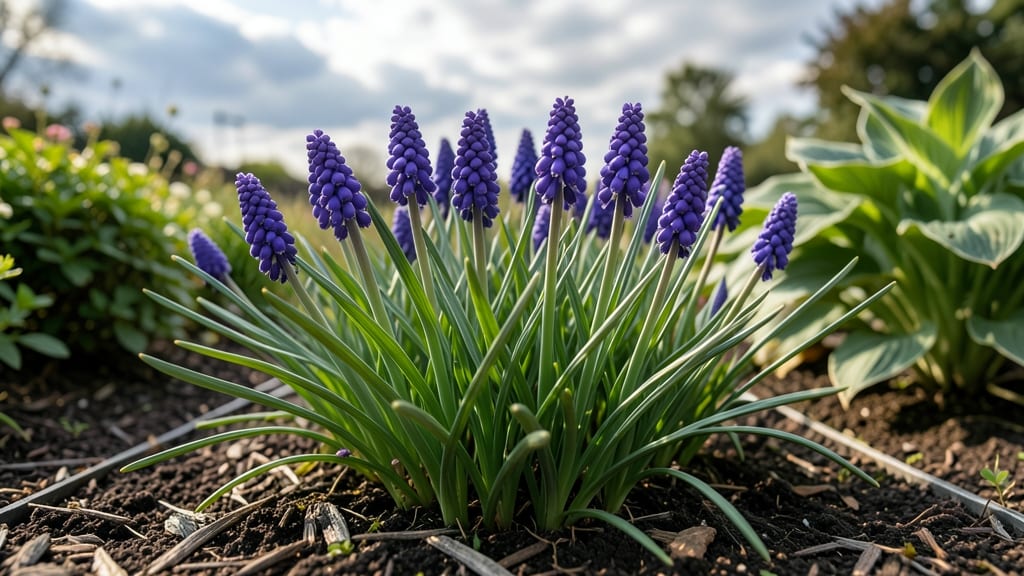
If you're planning your spring garden and wondering how tall do muscari grow, you're in the right place—because these little grape hyacinths 🌸 pack a surprising punch in compact form.
While they might look delicate with their bell-shaped flowers, muscari typically reach 4 to 6 inches at maturity, making them perfect for borders, rock gardens, or even containers without overwhelming your space.
The beauty of muscari lies in their versatility—whether you're in a cooler zone like 6a or a warmer climate, their height stays remarkably consistent year after year. This predictability means you can confidently tuck them into tight spots without worrying about them towering over your other plants.
Plus, their early spring blooms add a pop of color before many other flowers even think about waking up.
But here's the kicker: while most varieties stay in that 4-6 inch range, some can stretch slightly taller—up to 8 inches in ideal conditions.
Knowing this helps you decide whether to plant them in clusters for a lush carpet effect or space them out for a more scattered, natural look. The right placement can turn these tiny blooms into a game-changer for your garden's early-season drama.
Ready to learn how to maximize their impact? Let’s dive into how climate, spacing, and a few simple care tricks can help you get the most out of your muscari—no matter how small (or large) your garden is.


Muscari height by climate zone: exact growth ranges for healthy blooms
When planning your muscari (grape hyacinth) garden, knowing their mature height is crucial—especially since varieties can range from 4 inches to nearly 12 inches tall. Your USDA zone plays a major role in determining how tall your muscari will grow, with cooler climates often producing slightly shorter plants.
For example, gardeners in Zone 3 typically see 4-6 inch spikes, while those in Zone 9 might enjoy taller, 8-12 inch blooms.
Altitude also affects height, with high-elevation gardens often producing 10-20% shorter plants due to cooler temperatures. If you're unsure about your exact zone, check the USDA Plant Hardiness Zone Map—it’s the first step to predicting your muscari’s growth potential.
Even within the same zone, soil quality and sun exposure can tweak height by a few inches, so well-draining soil and full sun will encourage the most robust growth.
| USDA Zone | Typical Height Range | Notes |
|---|---|---|
| 3-5 | 4-6 inches | Cooler climates stunt growth; ideal for rock gardens |
| 6-7 | 6-8 inches | Standard height; thrives in borders and containers |
| 8-9 | 8-12 inches | Warmer zones produce taller spikes; great for back borders |
| 10 | 6-10 inches | Height varies by variety; 'Valerie Finnis' stays compact |
One of the most exciting aspects of muscari is their variety-specific heights. For instance, 'Alba' typically reaches 8 inches, while 'Dark Eyes' stays around 6 inches.
If you're growing muscari in containers, dwarf varieties like 'Little Sweetheart' (4-5 inches) are perfect for window boxes or patio pots. These shorter varieties also work beautifully in rock gardens or as edging plants, where their compact size prevents them from overwhelming smaller spaces.
For gardeners in higher altitudes (above 5,000 feet), expect muscari to grow 1-2 inches shorter than the zone averages listed above. This is because the cooler temperatures slow down bulb growth slightly.
To compensate, plant bulbs 1 inch deeper than recommended (6-7 inches instead of 5-6 inches) to encourage stronger root development, which can help them reach their full potential height despite the altitude.
If you're designing a layered garden bed, use muscari’s height variations to create depth. Plant taller varieties (like 'Muscari armeniacum') at the back, medium-height types (such as 'Muscari botryoides') in the middle, and dwarf varieties (like 'Muscari latifolium') in the front.
This creates a stunning visual cascade that blooms all at once in early spring, adding color and texture to your landscape.
Another factor that influences height is the age of the bulbs. First-year muscari often bloom at 4-5 inches, but as bulbs mature over 2-3 years, they can grow 1-2 inches taller each season.
This is why experienced gardeners recommend planting multiple bulbs in clusters—it ensures a mix of heights and creates a fuller, more dynamic display. Just be mindful of overcrowding, which can stunt growth and reduce bloom quality.
When selecting muscari for your garden, consider not just height but also bloom density. Taller varieties may produce slightly fewer flowers per spike, while shorter varieties often have tighter clusters of blooms.
For example, 'Plumosa' is a taller variety with looser flower clusters, while 'Ocean Magic' stays shorter but packs more color into its spikes. Choose based on your garden’s needs—whether you prioritize height, density, or both.
Pro tip: If you're unsure about how tall your muscari will grow, start with a small test batch in a visible spot. Observe their height after the first bloom cycle, then adjust your planting plan accordingly.
Many gardeners find that muscari grow 10-15% taller in their second year, so patience pays off when it comes to these charming perennials.
Finally, remember that sunlight exposure can tweak height by up to 20%. Muscari grown in partial shade (3-4 hours of sun) may stay 1-2 inches shorter than those in full sun.
If you're in a shadier microclimate, opt for shorter varieties or plant them in containers where you can move them to sunnier spots during their growing season.
Optimal spacing for muscari: preventing overcrowding & maximizing blooms
Spacing muscari correctly is the secret to healthy blooms and neat garden beds. These low-growing perennials may seem small, but proper spacing prevents overcrowding, which leads to stunted growth or fewer flowers.
Whether you're planting a single row or a cluster, following science-backed guidelines ensures your grape hyacinths thrive without competing for nutrients or space.
Most standard muscari varieties reach 4-6 inches tall at maturity, but their root systems spread wider than their height. This means you’ll need more horizontal space than you might expect.
For example, planting them too closely can result in weak stems and smaller flower clusters—something no gardener wants when aiming for that lush spring display!
🌱 Pro Tip: Always plant muscari in clusters of 5-10 bulbs for a natural, full look. This mimics their native growing habits and creates a denser, more vibrant display. Just be sure to space these clusters 6-12 inches apart to avoid congestion.
| Spacing Type | Recommended Distance | Best For |
|---|---|---|
| Single Bulbs | 4 inches apart | Rock gardens, tight borders |
| Clusters (5-10 bulbs) | 6-12 inches apart | Garden beds, naturalized areas |
| Containers | 3-4 inches apart | Balcony pots, window boxes |
| Dwarf Varieties | 3 inches apart | Front of borders, alpine gardens |
One of the most common mistakes gardeners make is ignoring the mature size of muscari. While they may start small, their foliage spreads as they establish, especially in warmer climates.
If you’re planting near tall perennials or shrubs, give them extra room—aim for 12-18 inches between clusters—to prevent them from getting shaded out or outcompeted by taller plants.
For layered garden effects, use muscari’s height to your advantage. Plant dwarf varieties (like Muscari armeniacum) in the front of borders, where they’ll peek above low-growing ground covers. Then, place taller varieties (like Muscari botryoides) behind them to create a stunning cascading effect.
This technique works especially well in rock gardens or woodland-style plantings where texture and height variation are key.
💡 Layering Hack: Combine muscari with spring ephemerals like hepatica or crocus for a sequential bloom display. Start with early bloomers in the back and add muscari as they emerge, ensuring your garden stays colorful from late winter through spring!