
How To
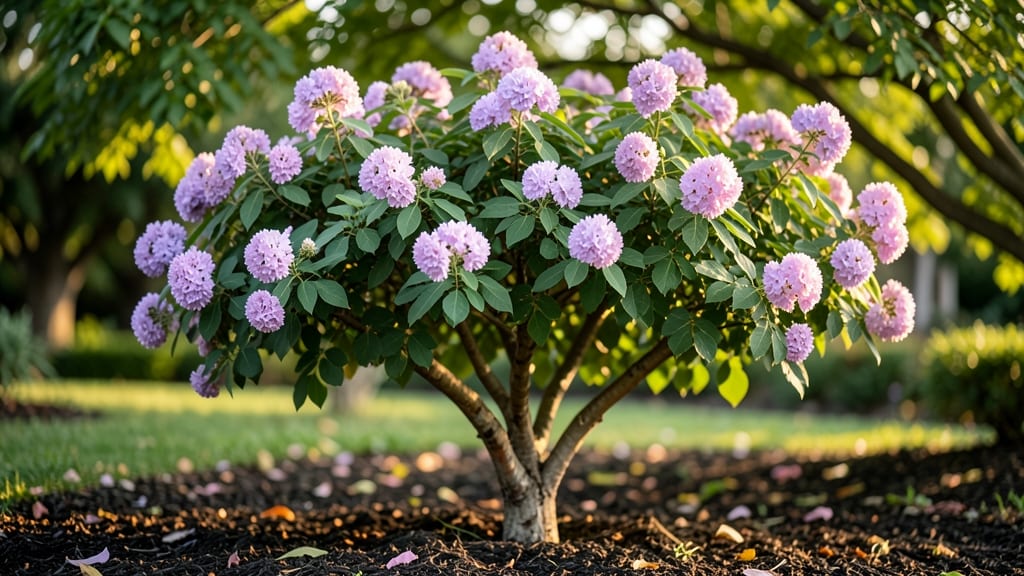
If you're wondering how tall do crepe myrtle grow, the answer might surprise you—these stunning 🌸 trees can range from compact shrubs to towering giants, depending on the variety.
Whether you're planning for a small backyard or a spacious landscape, knowing the height potential helps you choose the perfect fit for your space.
Crepe myrtles are famous for their vibrant blooms and easy-care nature, but their size varies dramatically. Dwarf varieties stay under 6 feet, making them ideal for containers or tight spots, while standard types can reach 30 feet or more, adding dramatic height to large yards.
The key to controlling their growth lies in pruning, soil quality, and even where you plant them.
Before you plant, think about your space and long-term vision. A crepe myrtle’s height isn’t just about the variety—it’s also shaped by sunlight, water, and how you maintain it.
With the right care, you can keep a tall variety in check or let a dwarf variety spread its wings (and blooms) freely. Let’s break down what to expect and how to guide their growth.
Ready to transform your outdoor space with these versatile trees? I’ll walk you through the best varieties for your needs and the simple steps to keep them thriving—no matter how tall you want them to grow.


Crepe myrtle height ranges by variety: dwarf to giant trees
Crepe myrtles (Lagerstroemia spp.) are famous for their vibrant summer blooms, but their height at maturity varies dramatically depending on the variety. From compact dwarf trees perfect for small yards to towering giants that make bold landscape statements, choosing the right type ensures your tree thrives in its space.
Let’s explore the height ranges and growth habits of popular varieties so you can pick the perfect fit for your garden.
One of the most exciting aspects of crepe myrtles is their diverse size spectrum. Some stay under 6 feet tall, while others reach 30 feet or more.
This variety means you can find a crepe myrtle for almost any outdoor space—whether it’s a city balcony, a suburban backyard, or a rural landscape. The key is understanding how each variety grows and how to manage its height for your specific needs.
🌱
| Variety | Mature Height | Growth Habit | Best For |
|---|---|---|---|
| 'Natchez' | 6–8 ft | Compact, multi-trunked | Small yards, containers |
| 'Tonto' | 6–10 ft | Dwarf, rounded | Patios, urban gardens |
| 'Muskogee' | 12–15 ft | Semi-dwarf, upright | Medium backyards |
| 'Acoma' | 15–20 ft | Standard, vase-shaped | Larger landscapes |
| 'Sioux' | 20–30 ft | Tall, upright | Statement trees, privacy screens |
| 'Catawba' | 25–30 ft | Giant, multi-trunked | Large properties, park settings |
The 'Natchez' and 'Tonto' varieties are ideal if you’re working with limited space. These dwarf crepe myrtles stay under 10 feet tall and thrive in containers, making them perfect for balconies or small gardens.
Their multi-trunked growth habit also adds visual interest without overwhelming your space. For example, a 'Tonto' planted in a large pot can become a stunning centerpiece for your patio while staying under 8 feet.
On the other end of the spectrum, varieties like 'Sioux' and 'Catawba' are giant crepe myrtles that reach 25–30 feet at maturity. These are statement trees that create focal points in large landscapes or even serve as privacy screens.
If you’re planting one of these near your home, consider their root spread (which can be 15–20 feet wide) and give them plenty of space to avoid future issues.
For medium-sized yards, varieties like 'Muskogee' or 'Acoma' strike the perfect balance. These semi-dwarf crepe myrtles grow 12–20 feet tall and offer a mix of height and manageability.
They’re great for backyard accents or lining driveways without taking over the space. Plus, their vase-shaped growth habit adds elegant structure to your landscape.
If you’re unsure which variety to choose, consider your garden’s scale and the visual impact you want. A dwarf variety like '
What determines crepe myrtle tree height: factors to control growth
Crepe myrtles are famously adaptable, but their final height depends on several key factors you can influence. Understanding these will help you guide your tree to stay compact or reach its full majestic potential.
The good news? With the right approach, you can shape your crepe myrtle’s growth to fit your space perfectly.
First, consider your climate zone. These trees thrive in USDA zones 6-9, but their growth rate varies. In warmer zones like zone 9, they grow faster and taller, while in cooler zones like zone 6, they may stay shorter.
For example, a standard variety might hit 25 feet in zone 9 but only 18 feet in zone 6.
Next, think about your soil conditions. Crepe myrtles prefer well-draining soil with a slightly acidic to neutral pH (6.0-7.0). Poor soil can stunt growth, while rich, organic soil encourages rapid height increases.
Amending your soil with compost before planting gives your tree the nutrients it needs to grow strong and tall.
- Sunlight: Full sun (6+ hours) = faster growth; partial shade = slower height gain
- Pruning: Regular pruning keeps trees shorter; no pruning = natural height
- Watering: Deep watering encourages root growth; shallow watering = stunted growth
- Container Size: Smaller pots = shorter trees; larger pots = taller growth
One of the most effective ways to control height is through pruning techniques. If you want a shorter tree, prune in late winter or early spring before new growth begins. Cut back 1/3 of the previous year’s growth to encourage bushier growth rather than height.
For a more natural look, prune to maintain an open center, which also improves airflow and reduces disease risk.
Your planting location also plays a role. Trees planted in containers will naturally stay shorter than those in the ground, but even container-grown crepe myrtles can reach 10-15 feet if given enough space.
If you’re using a pot, choose one that’s at least 18 inches wide for dwarf varieties and 24 inches wide for standard types to avoid root-bound stress.
Finally, don’t overlook the power of watering habits. Deep, infrequent watering encourages strong root development, which supports taller growth. Avoid overwatering, which can lead to weak stems and leggy growth.
Once established, crepe myrtles are drought-tolerant, but consistent moisture in their first year helps them reach their full potential height.
With these factors in mind, you can confidently choose and care for a crepe myrtle that fits your space and style. Whether you want a 6-foot patio tree or a 30-foot landscape statement, the control is in your hands.