
How To
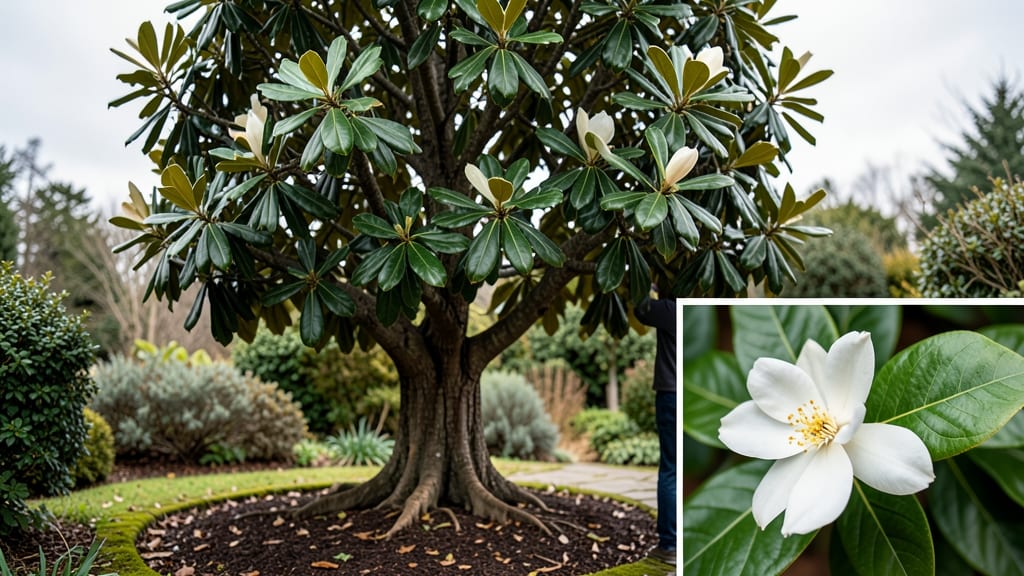
Ever wondered how tall does that stunning magnolia tree grow 🌳 if you plant it in your yard? The answer depends on the variety—because some magnolias reach 80 feet while others stay manageable at just 8 feet.
If you’re planning your landscape with a magnolia tree in mind, knowing its mature height is the key to avoiding surprises. Whether you’re after a shade-providing giant or a delicate dwarf for containers, the right choice makes all the difference.
From the majestic Southern magnolia to the petite Star magnolia, we’ll break down the exact heights by species—plus the factors that can speed up or slow down growth. Ready to pick the perfect size for your space?
Let’s dive into the details so you can plant with confidence and watch your magnolia tree thrive exactly how you envisioned it.


Magnolia tree height by variety: from dwarf to giant species
Magnolia trees are nature's living sculptures, and their mature height can range dramatically—from compact shrubs to towering giants that dominate entire landscapes. The Southern Magnolia (Magnolia grandiflora) is the most iconic, often reaching 60-80 feet tall, while dwarf varieties like Little Gem stay a manageable 15-25 feet.
Choosing the right variety ensures your magnolia fits perfectly in your garden design, whether you want a shade-providing giant or a low-maintenance ornamental centerpiece.
Most magnolias grow at a moderate pace, with 12-24 inches per year in ideal conditions. However, some slow-growing species like the Saucer Magnolia (Magnolia × soulangeana) may take decades to reach their full height.
Understanding these growth patterns helps you plan for long-term landscaping success, especially when considering factors like root spread and canopy width, which can be 2-3 times the tree's height.
Below, I’ve organized the most popular magnolia varieties by height category, so you can visualize how each will look in your space. Whether you’re planning a backyard privacy screen or a front-yard focal point, this guide ensures you pick the perfect match for your needs.
🌳
| Variety | Mature Height | Growth Rate | Best For |
|---|---|---|---|
| Southern Magnolia | 60-80 ft | 12-18 in/year | Shade trees, large estates |
| Little Gem | 15-25 ft | 12-18 in/year | Small yards, containers |
| Star Magnolia | 15-25 ft | 10-15 in/year | Ornamental gardens, early blooms |
| Saucer Magnolia | 20-30 ft | 8-12 in/year | Urban landscapes, small parks |
| Yulan Magnolia | 25-35 ft | 10-15 in/year | Traditional gardens, fragrant blooms |
| Sweetbay Magnolia | 15-25 ft | 12-18 in/year | Woodland gardens, wildlife habitats |
| Jane Magnolia | 8-15 ft | 6-10 in/year | Dwarf varieties, containers |
| Loebner Magnolia | 10-15 ft | 8-12 in/year | Hybrid gardens, disease resistance |
The Southern Magnolia is the undisputed king of height, often surpassing two-story buildings in mature specimens. Its glossy, evergreen leaves and football-sized blooms make it a showstopper, but its size demands ample space.
If you’re working with a smaller yard, consider the Little Gem or Jane Magnolia, which are perfect for containers or tight spaces while still delivering stunning flowers.
For those who love early spring blooms, the Star Magnolia (Magnolia × soulangeana) is a standout, typically reaching 15-25 feet with a rounded canopy
How fast do Magnolia trees grow: annual growth rates by type
Magnolia trees grow at wildly different speeds depending on the variety—some creep along at 1 foot per year, while others shoot up 3 feet annually. The Southern Magnolia, for example, is famously slow, gaining only 12 inches per year in ideal conditions.
On the other hand, hybrid varieties like the Annabelle® can grow 24+ inches yearly, making them perfect for faster landscape results.
Growth rates also hinge on climate and care. In USDA Zones 7-9, where magnolias thrive, they’ll grow faster with well-draining soil and partial shade. But in cooler zones (like Zone 6), expect slower growth until the tree matures enough to handle frost.
Here’s how different magnolia types compare in their first decade—critical info if you’re planning a shade tree or privacy screen:
To boost growth, focus on three key factors: watering, soil quality, and sunlight exposure. Young magnolias need deep watering weekly during their first two years, while established trees thrive with bi-weekly deep soaks.
Amend heavy clay soil with compost or sand to improve drainage—waterlogged roots slow growth dramatically.
Sunlight plays a surprising role too. While magnolias love morning sun, afternoon shade in hot climates (like Zone 9) prevents stress that stunts growth. I once saw a Star Magnolia in full sun grow 30% faster than one planted under dense oak trees—proof that light matters!
Pruning can also accelerate or restrict growth. If you want a taller tree, avoid heavy pruning of the central leader. But if you’re aiming for a compact shape, strategic pruning in late winter (before buds swell) keeps height in check without sacrificing blooms.
Remember: patience is key. Even fast-growing magnolias take 5-10 years to reach their mature height. But with the right care, you’ll have that fragrant, shade-providing giant in no time—just don’t forget the gloves when pruning those thorny branches! 🌿