
How To
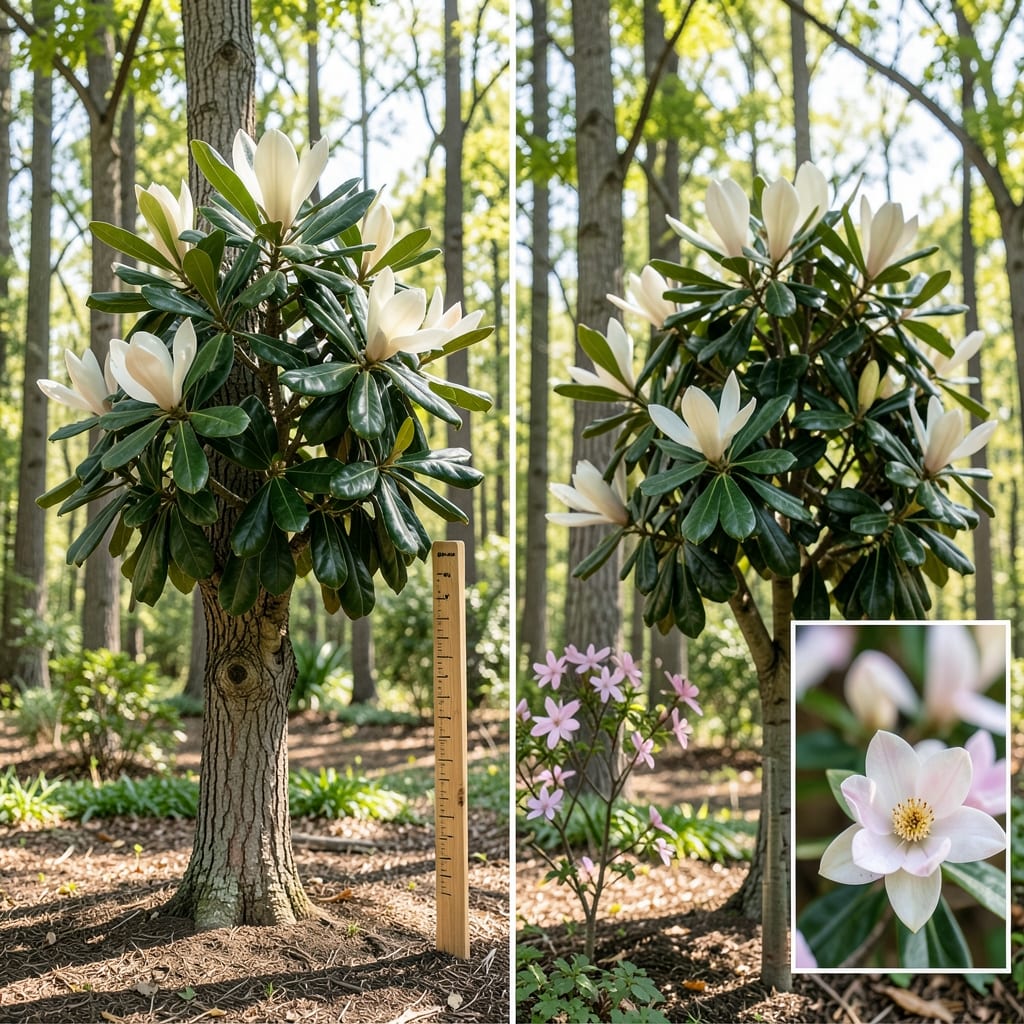
Curious about how tall a magnolia tree can grow? The answer might surprise you—some varieties stretch toward the sky like natural skyscrapers, while others stay cozy enough for small yards. Whether you're planning a grand landscape feature or a compact garden centerpiece, choosing the right magnolia species makes all the difference.
Magnolias are famous for their stunning blooms, but their height varies dramatically. From the towering Southern Magnolia, which can reach 80 feet or more, to dwarf varieties that top out at just 10 feet, there’s a perfect fit for every space. The key is understanding how each type grows over time and how your climate affects its development.
If you're dreaming of a magnolia in your yard, you’ll want to consider more than just height. Root spread, pruning needs, and even your local USDA Zone 6a conditions play a role in how well your tree thrives. Let’s break down the best options for your garden and how to keep your magnolia healthy and happy for decades.
Ready to find the perfect magnolia for your space? I’ll walk you through the top species, their growth habits, and expert tips to ensure your tree grows strong and beautiful. Let’s get started!

Magnolia tree height by species: from dwarf varieties to towering giants
When planning your garden, one of the first questions about magnolias is how tall can a magnolia tree grow? The answer depends entirely on the species. Some varieties stay small enough for container gardens, while others become towering giants that dominate the landscape. Let’s explore the height ranges of popular magnolia species so you can pick the perfect fit for your space.
Magnolias are divided into three main height categories: dwarf varieties (10-20 feet), medium-height trees (20-40 feet), and giant species (40-80 feet). Each category offers stunning blooms but requires different growing conditions. For example, the Southern Magnolia can reach 80 feet in ideal conditions, while the Teddy Bear Magnolia stays under 10 feet—perfect for small yards.
Here’s a quick look at how magnolia heights compare to common objects: A mature Southern Magnolia can tower over a 2-story house (60-80 feet), while a Saucer Magnolia typically reaches the height of a single-story home (20-30 feet). Understanding these differences helps you visualize how each variety will look in your garden.
Below, I’ve organized the most popular magnolia species by height, including their growth habits and ideal planting conditions. This will help you decide whether to go for a compact magnolia or a statement-making giant.
| Species | Mature Height | Growth Rate | Best For |
|---|---|---|---|
| Teddy Bear Magnolia | 8-10 ft | Slow | Small yards, containers |
| Little Gem Magnolia | 15-20 ft | Moderate | Urban gardens, privacy screens |
| Saucer Magnolia | 20-30 ft | Moderate | Medium landscapes, shade trees |
| Star Magnolia | 20-25 ft | Slow to moderate | Early spring blooms, focal points |
| Southern Magnolia | 60-80 ft | Fast | Large estates, natural landscapes |
| Cucumbertree Magnolia | 40-50 ft | Moderate | Woodland gardens, shade providers |
The Teddy Bear Magnolia is one of the smallest options, making it ideal for containers or small patios. Its compact size (8-10 feet) and slow growth rate mean it won’t outgrow its space quickly. If you’re looking for a privacy screen or urban garden tree, the Little Gem Magnolia is a fantastic choice, reaching 15-20 feet while staying narrow enough for tight spaces.
For a medium-height magnolia that adds drama to your landscape, the Saucer Magnolia and Star Magnolia are excellent picks. Both grow to 20-30 feet and bloom spectacularly in spring. The Saucer Magnolia is particularly prized for its large, showy flowers, while the Star Magnolia blooms earlier in the season, often in late winter.
If you have the space for a towering magnolia, the Southern Magnolia and Cucumbertree Magnolia are unbeatable. The Southern Magnolia can grow to 80 feet, making it a stunning focal point for large properties. Meanwhile, the Cucumbertree Magnolia offers a more manageable 40-50 feet height while providing excellent shade and wildlife benefits.
Choosing the right magnolia isn’t just about height—it’s also about your climate and soil conditions. For example, the Southern Magnolia thrives in USDA Zone 6a and warmer, while the Star Magnolia is more cold-hardy, making it a great choice for northern gardens. Always check the specific needs of your chosen species before planting.
Ready to pick the perfect magnolia
Factors that influence how tall a magnolia tree grows (and how to control it)
Magnolia trees are stunning additions to any landscape, but their final height depends on more than just genetics. The Southern Magnolia, for example, can reach 80 feet in ideal conditions, while the same species might stay under 40 feet in a less-than-perfect environment. Understanding these factors helps you control growth and ensure your magnolia thrives in your specific yard.
One of the biggest influences is soil quality. Magnolias prefer well-draining, slightly acidic soil (pH 5.0-6.0). Compacted or waterlogged soil can stunt root development, limiting height. Amending your soil with organic matter like compost can give your tree the nutrients it needs to grow tall and strong.
Sunlight exposure also plays a critical role. While magnolias tolerate partial shade, they need at least 4-6 hours of sunlight daily to reach their full potential. In hot climates, morning sun with afternoon shade is ideal. Too much shade can lead to leggy growth and reduced height.
Your local climate matters too. Magnolias grow best in USDA Zones 5-9, but regional microclimates can affect growth rates. Coastal areas with high humidity may see faster growth, while inland regions with hot, dry summers might slow things down. Always check your zone before planting.
Many gardeners make the mistake of pruning magnolias too aggressively to control height. Never prune more than 25% of the canopy at once, as this can shock the tree and slow its growth. Instead, focus on shaping and removing dead branches to encourage healthy development.
Pruning techniques are another key factor. While you can lightly prune to shape your magnolia, heavy pruning can actually reduce height over time. The best approach is to prune in late winter or early spring before new growth begins. Avoid pruning in fall, as this can leave wounds vulnerable to disease.
Finally, watering habits impact height. Young magnolias need consistent moisture to establish strong roots, while mature trees are more drought-tolerant. Overwatering, however, can lead to root rot and stunted growth. Aim for deep watering once or twice a week during dry spells, and always ensure proper drainage.
By paying attention to these factors, you can help your magnolia reach its full potential—or keep it smaller if space is limited. Whether you're growing a dwarf magnolia in a container or a giant Southern Magnolia in your backyard, the right care makes all the difference. 🌳