
Trees
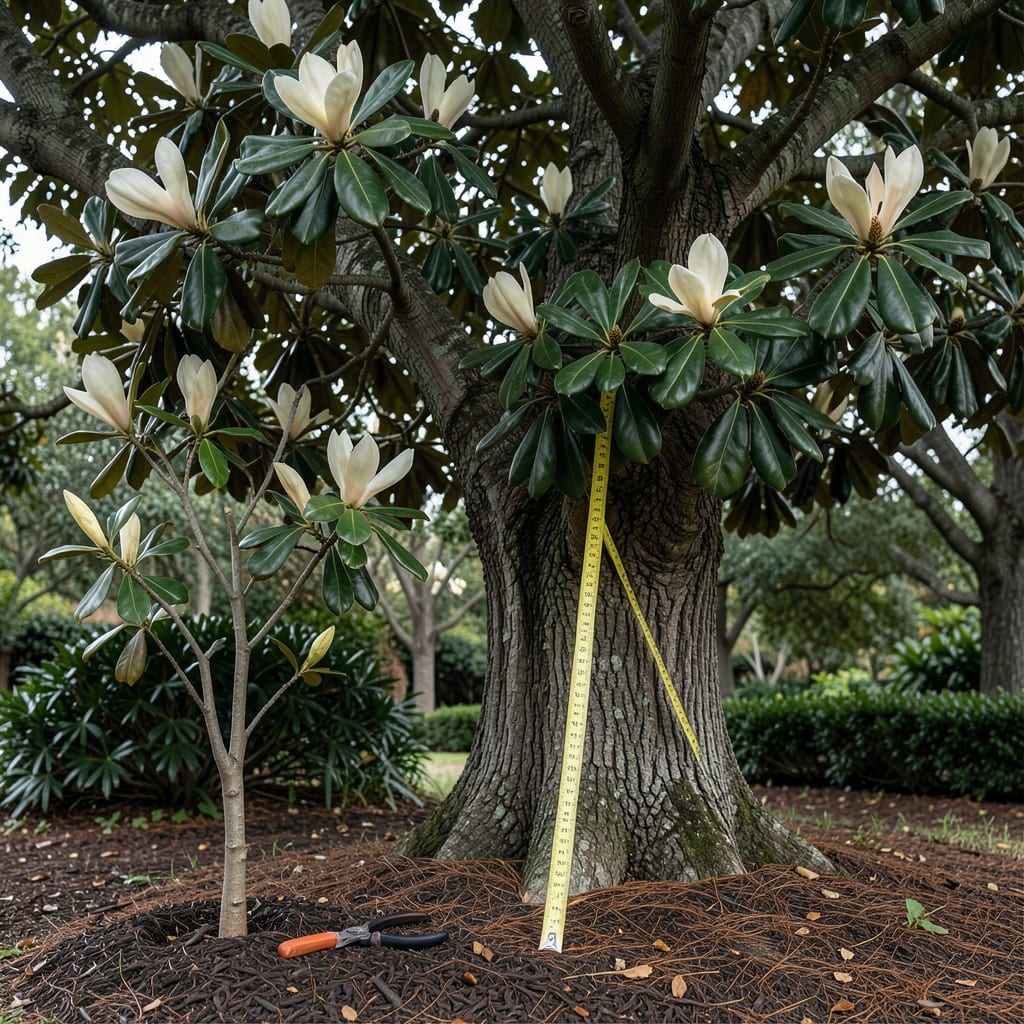
If you're wondering "how tall can magnolia trees grow", the answer might surprise you—these stately beauties 🌳 can stretch from tiny shrubs to towering giants that dwarf your house! Whether you're planning a cozy backyard retreat or a grand landscape centerpiece, choosing the right variety makes all the difference.
Some magnolias stay modest, like the delicate Star Magnolia, which tops out around 15 feet, perfect for smaller yards. Others, like the Southern Magnolia, can soar to 80-100 feet, making them more suited for parks or spacious properties. The key? Understanding each variety’s growth habits before planting.
Growth rates vary too—some magnolias add just 12 inches per year, while others shoot up 2 feet annually when given the right conditions. With proper care, you could see your tree reach its full height in decades, but pruning and soil quality play huge roles in shaping its future.
Ready to transform your space? I’ll break down the tallest (and shortest) magnolias, how fast they grow, and tips to keep them thriving—no matter how big your dreams (or your yard) are.


Magnolia tree height by variety: from dwarf to giant species
Magnolia trees are nature’s living sculptures, and their height can vary dramatically depending on the species. Some varieties remain compact enough for small yards, while others grow into towering giants that dominate the landscape. The Southern magnolia (Magnolia grandiflora), for example, can reach 60-80 feet tall at maturity, while the star magnolia (Magnolia stellata) stays a modest 15-25 feet. Choosing the right variety ensures your magnolia fits your space without becoming a maintenance nightmare.
For those with limited space, dwarf varieties like Magnolia 'Black Tulip' or Magnolia 'Royal Star' top out at 10-15 feet, making them perfect for urban gardens or container planting. Meanwhile, the evergreen magnolia (Magnolia grandiflora) can dwarf even the tallest homes, so plan accordingly if you’re aiming for a statement tree. Understanding these differences helps you balance aesthetics with practicality.
Here’s a quick comparison of popular magnolia varieties by mature height to help you visualize their potential:
| Variety | Mature Height | Growth Rate | Best For |
|---|---|---|---|
| Southern Magnolia (M. grandiflora) | 60–80 ft | 12–24 in/year | Large estates, privacy screens |
| Star Magnolia (M. stellata) | 15–25 ft | 6–12 in/year | Small yards, containers, urban gardens |
| Tulip Magnolia (M. soulangeana) | 20–30 ft | 12–18 in/year | Medium landscapes, focal points |
| Little Gem (M. grandiflora 'Little Gem') | 20–25 ft | 12 in/year | Narrow spaces, small backyards |
| Saucer Magnolia (M. × soulangeana*) | 15–20 ft | 8–12 in/year | Patios, foundation plantings |
The Southern magnolia is the undisputed giant of the group, often exceeding 80 feet in ideal conditions, while its 'Little Gem' cultivar stays a manageable 20-25 feet. If you’re torn between varieties, consider the star magnolia for early spring blooms and a smaller footprint, or the tulip magnolia for vibrant flowers and moderate growth. Each offers unique benefits, so match your choice to your garden’s scale and style.
Pro tip: Always check the nursery label for exact height predictions, as environmental factors like soil quality and sunlight can influence growth. For example, a Southern magnolia in poor soil might max out at 40 feet instead of its full potential. Planting in well-draining, slightly acidic soil (pH 5.0–6.0) gives your magnolia the best chance to reach its genetic height.
If you’re planning a long-term landscape design, factor in the tree’s canopy spread, which can be nearly as wide as its height. A 60-foot Southern magnolia might spread 30–40 feet, so avoid planting it too close to structures or other trees. For compact options, the 'Black Tulip' magnolia stays under 10 feet tall and wide, making it ideal for containers or small gardens.
One common misconception is that all magnolias grow slowly. While star magnolias and saucer magnolias are relatively slow (gaining just 6–12 inches per year), varieties like 'Little Gem' or Southern magnolia can grow 2 feet per year in optimal conditions. This means a 10-foot tree could reach maturity in as little as 5–10 years, depending on the variety.
For those with limited space, consider dwarf magnolias like 'Yellow Bird' or 'Jane', which top out at 8–12 feet. These varieties are perfect for patio planting or as specimen trees in small yards. Just remember: even dwarf magnolias need room to breathe—plant them at least 10 feet away from walls or other structures to avoid root competition.
🌳
How fast do magnolia trees grow? Growth rates & lifespan expectations
Magnolia trees grow at different speeds depending on the variety, but most take decades to reach maturity. The Star Magnolia (Magnolia stellata), for example, grows just 12 inches per year, while the Southern Magnolia (Magnolia grandiflora) can add 2 feet annually under ideal conditions. Understanding these rates helps you plan for long-term landscaping goals.
In the first year, expect your magnolia to grow only 1-2 feet. By year three, it’ll likely reach 6-10 feet, but full height—whether 15 feet for a dwarf variety or 80 feet for a giant—can take 20-50 years. Patience is key, but proper care accelerates growth significantly.
The fastest-growing magnolias thrive in USDA Zones 6-9, with well-draining, slightly acidic soil (pH 5.0-6.5) and morning sun. Drought or poor soil stunts growth, so mulching and consistent watering in the first few years make a huge difference. Think of it like investing in a long-term project—your magnolia will reward you with decades of beauty.
| Variety | Growth Rate (in/yr) | Mature Height | Time to Maturity |
|---|---|---|---|
| Star Magnolia (stellata) | 12" | 15-25 ft | 15-20 years |
| Little Gem (grandiflora) | 18-24" | 20-25 ft | 10-15 years |
| Southern Magnolia (grandiflora) | 24" | 60-80 ft | 30-50 years |
| Tulip Magnolia (soulangeana) | 12-18" | 30-40 ft | 20-30 years |
Most magnolias live 50-100+ years with proper care, making them a lifelong investment. The Southern Magnolia, for instance, can live over a century, while smaller varieties like the Star Magnolia typically reach 70-80 years. Their slow growth and long lifespan mean you’ll enjoy their fragrant blooms and glossy leaves for generations.
To maximize growth, focus on three critical factors: soil quality, watering consistency, and protection from pests. Amend heavy clay soil with compost, water deeply once a week during dry spells, and watch for scale insects or borers, which can weaken young trees. A healthy magnolia grows faster and lives longer.
If you’re planning to plant one soon, start now! The first 3 years are critical—establishing strong roots early sets the stage for decades of growth. Whether you choose a compact dwarf or a towering giant, your magnolia will repay your patience with breathtaking beauty year after year. 🌿