
How To
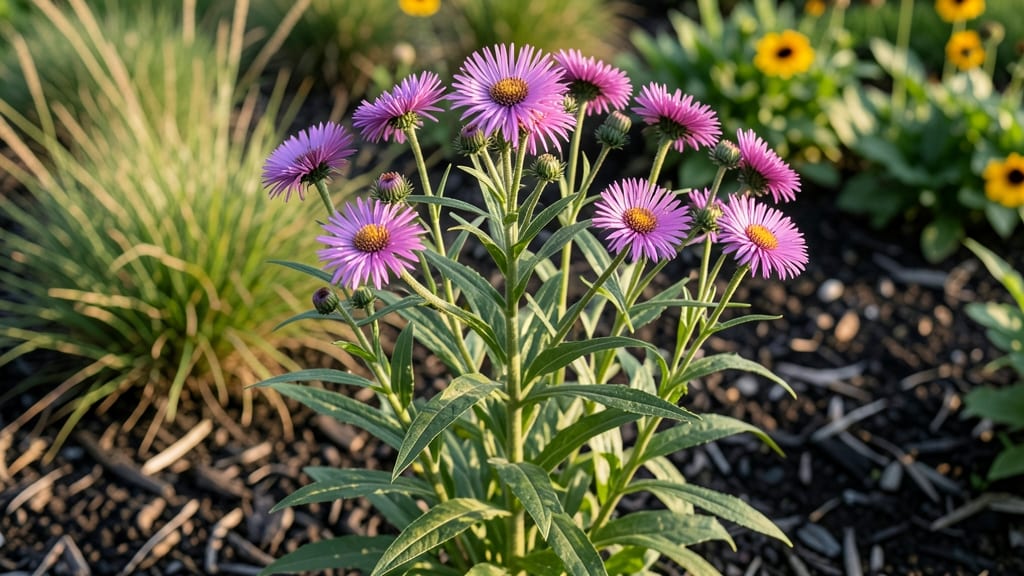
If you’ve ever wondered how tall does New England aster grow and whether it’ll dominate your garden or play nicely with neighbors, you’re in the right place.
These 🌼 beauties can reach anywhere from 2 to 4 feet at maturity, making them a versatile choice for borders, pollinator gardens, or even as a late-season focal point.
But here’s the thing: their height isn’t just about aesthetics—it affects everything from spacing to companion plants. Whether you’re planning a sun-drenched border or a cozy container garden, knowing their mature size helps you avoid overcrowding while ensuring they get the sunlight and airflow they crave.
What’s even better? New England asters aren’t picky about soil or sunlight (as long as they get 6+ hours of sun)), so they’re perfect for gardeners who want low-maintenance blooms that last well into fall.
Plus, their height makes them a magnet for bees and butterflies, turning your garden into a buzzing ecosystem.
Ready to learn how to maximize their height—or keep them in check? I’ll break down the exact spacing, pruning tips, and even how to choose the right variety for your space. Let’s get growing!


New England aster mature height: exact measurements and growth range
If you're planning your garden layout, knowing the mature height of New England asters is essential. These late-season bloomers typically reach 2 to 4 feet tall, but their final height depends on several factors like variety, growing conditions, and care.
Understanding these variables helps you place them strategically—whether as a back-of-border accent or a pollinator magnet in a wildflower meadow.
The standard New England aster (Symphyotrichum novae-angliae) usually tops out around 3 to 4 feet, while dwarf varieties like 'Andenken an Alma Potschke' stay between 1.5 to 2.5 feet.
Even within the same variety, sunlight exposure and soil fertility can push heights toward the upper or lower end of this range. For example, plants in full sun with rich, well-draining soil often grow taller and more robust than those in partial shade or poor soil.
To visualize their size, imagine a New England aster reaching the height of a standard basketball backboard (4 feet) but with a more delicate, airy structure.
Their spreading habit means they’ll also occupy 18 to 24 inches of space at maturity, so spacing is just as critical as height when planning your garden beds. This makes them perfect for mixed borders where they can complement taller perennials like Joe Pye weed or black-eyed Susans.
| Growth Stage | Height Range | Key Characteristics |
|---|---|---|
| Year 1 (First Year) | 1–2 feet | Focuses on root and foliage growth; minimal blooms |
| Year 2 (Established) | 2–3 feet | Produces first substantial flowers; stems strengthen |
| Year 3+ (Mature) | 3–5 feet | Full height and bloom potential; ideal for pollinators |
| Dwarf Varieties | 1–2.5 feet | Compact growth; great for containers or front borders |
| Tall Varieties | 4–5 feet | Best for back rows or cut flower gardens |
One common misconception is that New England asters grow taller in partial shade, but the opposite is true. While they tolerate partial shade, their stems may become floppy and less sturdy, reducing their height and structural appeal.
For the full 3–4 foot height, aim for at least 6 hours of direct sunlight daily. This ensures strong stems capable of supporting their vibrant purple, pink, or white blooms from late summer through fall.
Another factor influencing height is soil fertility. Over-fertilizing with high-nitrogen feeds can lead to excessive foliage growth at the expense of flower production and stem strength. Instead, use a balanced fertilizer (5-10-10) in early spring to encourage healthy roots and blooms.
I’ve found that amending clay soil with compost improves drainage and prevents root-bound stress, which can stunt growth. If your soil is sandy, a light mulch layer helps retain moisture for consistent height development.
To measure your New England aster’s height accurately, use a tape measure or ruler from the base of the plant to the highest flower head. Record measurements in early morning when stems are upright and turgid.
Over time, you’ll notice their growth patterns—some varieties like 'Harrington’s Pink' grow taller in cooler climates, while others like 'Alma Potschke' stay shorter regardless of location. Tracking these details helps you predict future growth and adjust your garden plan accordingly.
When comparing New England asters to other late-season perennials, they outshine goldenrod (1–3 feet) but may be slightly shorter than Joe Pye weed (3–7 feet).
Their airy, feathery foliage and daisy-like blooms make them a standout choice for pollinator gardens, especially when paired with coneflowers or black-eyed Susans. For a low-maintenance border, I recommend spacing them 2 feet apart in groups of 3–5 to create a natural, layered effect.
If you're growing New England asters in containers, expect slightly shorter heights (2–3 feet) due to root restriction. Choose large pots (12+ inches wide) with drainage holes and use a lightweight potting mix to prevent toppling.
In-ground plantings, however, reach their full height potential when given ample space and proper care. Whether you’re designing a wildflower meadow or a structured perennial border, understanding their mature height ensures your garden thrives with harmony and balance.
For gardeners in USDA Zones 3–8, New England asters are a reliable choice for late-season color. Their height makes them ideal for cut flower arrangements
New England aster mature height: exact measurements and growth range
New England asters typically reach a mature height of 2 to 4 feet, though some varieties can stretch up to 5 feet tall with ideal growing conditions. This medium height makes them perfect for mid-border plantings, where they can anchor your garden without overwhelming smaller perennials.
Their upright stems and daisy-like blooms create a stunning vertical accent from late summer through fall.
The exact height depends on several factors, including soil fertility, sunlight exposure, and water availability. Well-draining, nutrient-rich soil paired with full sun encourages taller growth, while poor soil or shade may result in shorter, bushier plants.
Understanding these variables helps you plan your garden layout and companion plantings for a cohesive look.
| Growth Stage | Height Range | Key Notes |
|---|---|---|
| Year 1 | 1–2 ft | Focus on root establishment; minimal blooms |
| Year 2 | 2–3 ft | Significant height gain; first full blooms |
| Mature (Years 3+) | 3–5 ft | Peak height; vibrant late-season color |
For accurate garden planning, measure your New England aster's height at the end of its first growing season. This gives you a baseline to predict future growth. Most gardeners find that plants in USDA Zones 4–8 reach their full height potential, while those in cooler climates may stay slightly shorter.
Varieties like 'Andenken an Alma Potschke' often hit the upper end of the height range.
When comparing New England asters to other perennials, they outgrow coneflowers (2–3 ft) but stay shorter than black-eyed Susans (3–5 ft). Their height makes them ideal for creating layered interest in mixed borders.
Pair them with shorter plants like sedum (1–2 ft) or salvia (2–3 ft) to highlight their vertical presence without overpowering the design.
To encourage taller growth, ensure your plants receive at least 6 hours of sunlight daily and mulch around the base to retain moisture. Avoid over-fertilizing with nitrogen, which promotes leafy growth at the expense of height.
Instead, use a balanced 5-10-10 fertilizer in early summer to support stem strength and flower production.
If your garden space is limited, consider dwarf varieties like 'Harvest Moon,' which typically max out at 2 feet tall. These work beautifully in containers or as edging plants.
For larger gardens, embrace the full height of standard varieties to create dramatic focal points or naturalize them in meadow-style plantings.