
How To
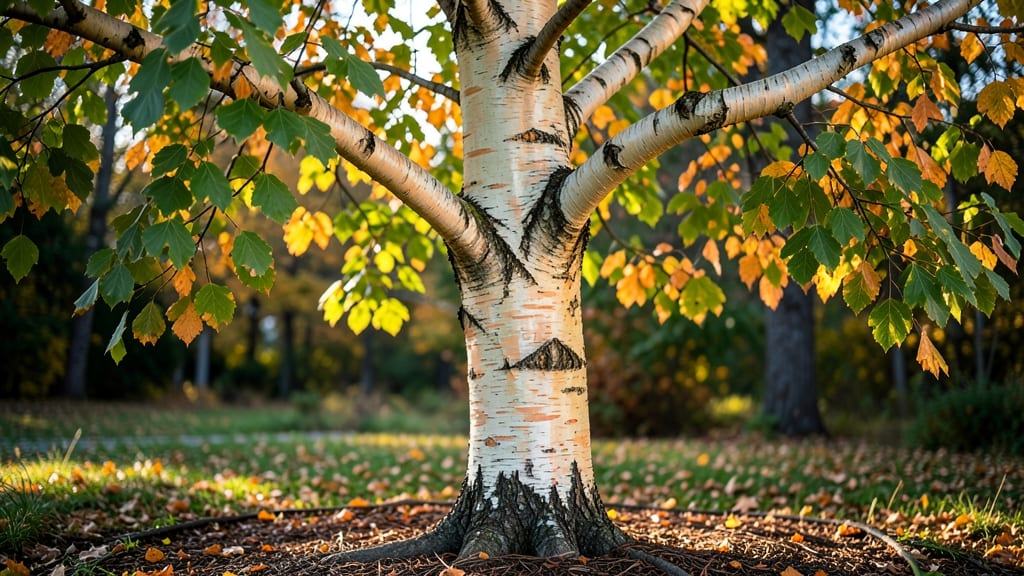
River birch tree height by variety: mature sizes compared
River birch trees (Betula nigra) are prized for their exfoliating bark and dramatic winter interest, but their mature height varies dramatically by cultivar. Understanding these differences helps you choose the perfect variety for your landscape—whether you want a statement tree or a more compact specimen.
Most river birches reach 30 to 50 feet at maturity, but some stay shorter, making them ideal for smaller yards.
The standard river birch typically grows 40 to 50 feet tall with a spread of 35 to 45 feet, creating a broad canopy that provides shade and year-round beauty.
However, if you’re working with limited space, dwarf or semi-dwarf varieties can offer the same stunning bark without overwhelming your property. For example, the 'Heritage' cultivar is a popular choice for its moderate growth rate and tolerant nature.
Here’s how the most common river birch varieties compare in terms of height, spread, and growth habits—so you can pick the perfect fit for your garden:
| Variety | Mature Height | Mature Spread | Growth Rate | Sunlight Needs | Notes |
|---|---|---|---|---|---|
| Standard River Birch | 40–50 ft | 35–45 ft | Moderate (1–2 ft/year) | Full sun to partial shade | Classic exfoliating bark; best for large properties. |
| 'Heritage' | 30–40 ft | 25–35 ft | Moderate (1–2 ft/year) | Full sun to partial shade | More compact; disease-resistant and adaptable. |
| 'White Frost' | 35–45 ft | 30–40 ft | Moderate (1–2 ft/year) | Full sun | White bark; thrives in wet soils. |
| 'Crimson Frost' | 30–40 ft | 25–35 ft | Moderate (1–2 ft/year) | Full sun to partial shade | Dark bark with red tones; cold-hardy. |
| 'Paperwhite' | 40–50 ft | 35–45 ft | Moderate (1–2 ft/year) | Full sun | Bright white bark; needs well-drained soil. |
When selecting a river birch, consider not just height but also your local climate and soil conditions. For instance, 'White Frost' thrives in wet soils, while 'Paperwhite' prefers well-drained areas.
If you’re in a USDA Zone 5 or colder, opt for 'Crimson Frost', which handles harsh winters better than other varieties. Always check your property’s sunlight exposure—river birches need at least 6 hours of sun daily for optimal growth.
One of my favorite tips for new gardeners is to monitor growth in the first 3 years. River birches grow 1 to 2 feet per year when young, but their canopy expansion can
River birch tree height by variety: mature sizes compared
River birch trees (Betula nigra) are prized for their peeling bark and elegant branches, but their mature height varies dramatically by variety. Most standard types reach 30 to 50 feet tall, towering like a 3-story building, while some cultivars stay shorter.
Understanding these differences helps you choose the perfect fit for your landscape—whether you want a statement tree or a space-saving specimen.
The fast growth rate of river birches means they can add 2 to 3 feet per year under ideal conditions. However, soil quality, sun exposure, and water availability play critical roles in determining their final height.
For example, a tree planted in poor, compacted soil may stay shorter, while one in rich, moist soil with full sun will likely reach its maximum potential.
Here’s how popular river birch varieties compare in terms of mature height and growth habits:
| Variety | Mature Height | Spread | Growth Rate | Sun Needs |
|---|---|---|---|---|
| Heritage® | 30–40 ft | 25–35 ft | 2–3 ft/year | Full sun |
| White Frost™ | 25–35 ft | 20–30 ft | 1–2 ft/year | Partial shade |
| Crimson Frost® | 35–45 ft | 30–40 ft | 3+ ft/year | Full sun |
| Paperwhite | 40–50 ft | 35–45 ft | 2–3 ft/year | Full sun |
If you’re planting near power lines or homes, opt for Heritage® or White Frost™, which stay slightly shorter. For a bold landscape statement, Crimson Frost® or Paperwhite will deliver dramatic height and vibrant bark.
Always check your local municipal codes before planting near structures, as some areas restrict tree heights near buildings.
Monitor your river birch’s growth in the first 3 years—this is when their height trajectory becomes clear. If you notice stunted growth, it could signal poor soil, root competition, or inadequate sunlight.
Amending the soil with compost or relocating the tree to a sunnier spot can often revive its growth rate.
For gardeners in smaller yards, consider multi-stem varieties like Heritage®, which grow as clusters rather than single trunks. This creates a fuller, bushier look while keeping the overall height manageable. Just remember: even the "shorter" varieties can still reach 25 feet, so plan accordingly!