
Size
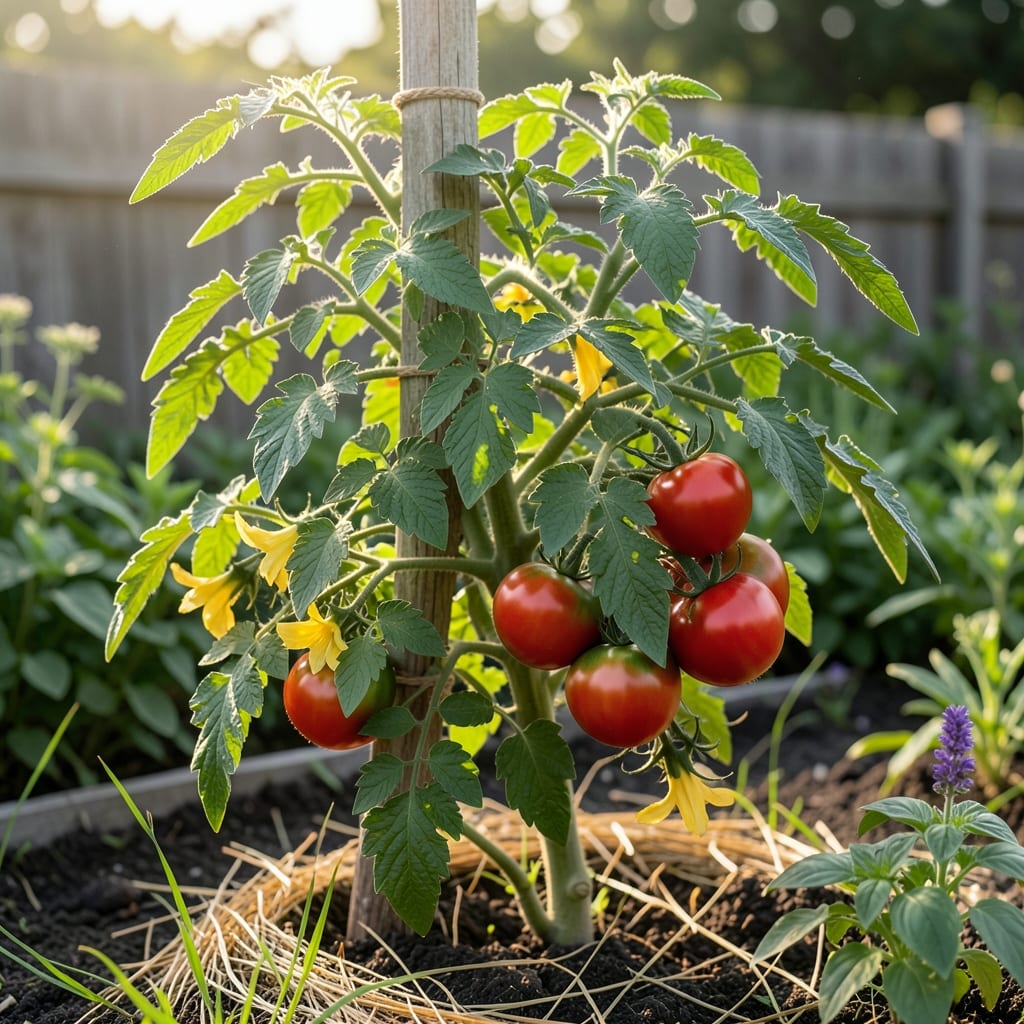
If you're wondering how tall do Big Beef tomato plants grow, get ready for a surprise—these 🍅 powerhouses can stretch 6 to 10 feet tall with the right care! That’s taller than most gardeners realize, and proper support is key to keeping them thriving without taking over your space.
As an indeterminate variety, Big Beef tomatoes keep growing all season, producing fruit along the way. Without support, their vines can sprawl and break under the weight of heavy tomatoes, leading to lost harvests. The good news? With a sturdy trellis or cage, you can train them to grow upward efficiently.
In this guide, I’ll break down exactly how tall these plants get, the best support systems to use, and simple pruning tips to keep them manageable. Whether you’re working with a small balcony container or a spacious backyard, you’ll learn how to maximize your harvest without sacrificing space.
Let’s dive into the details so you can grow Big Beef tomatoes like a pro—no guesswork, just bigger yields and happier plants!


Big Beef tomato plant height by variety: mature size and growth expectations
Big Beef tomato plants are famous for their impressive height and productivity, but many gardeners underestimate just how tall they can grow. As an indeterminate variety, these plants don’t stop growing until frost—reaching heights of 6 to 10 feet with proper care. Without support, their sprawling vines can break under the weight of heavy fruit, leading to wasted harvests.
The mature height of Big Beef tomatoes depends on growing conditions, pruning practices, and support systems. In ideal settings with full sun and consistent watering, these plants can easily surpass 8 feet, while container-grown specimens may stay shorter (around 5 to 6 feet) due to space limitations. Understanding these growth patterns helps you plan your garden layout effectively.
Here’s the key: indeterminate growth means Big Beef tomatoes produce fruit along their entire vine, not just at the top. This continuous growth requires sturdy support from the start—whether you choose a cage, trellis, or stake system. Without it, the plant’s energy focuses on vertical growth rather than fruit production, reducing your harvest.
Let’s explore the height variations among Big Beef varieties and how to manage their growth for maximum yield. Whether you’re a beginner or seasoned gardener, these insights will help you grow taller, healthier plants without sacrificing space or productivity.
| Variety | Mature Height | Growth Habit | Support Needs | Harvest Window |
|---|---|---|---|---|
| Big Beef | 6–10 ft | Indeterminate | Trellis or 8-ft cage | Mid-July to frost |
| Big Beef Hybrid | 7–9 ft | Indeterminate | Sturdy trellis | Late July to frost |
| Big Beef Cherry | 5–8 ft | Indeterminate | 6-ft cage or stakes | Early August to frost |
| Big Beef (Container) | 4–6 ft | Indeterminate | 5-ft trellis | Late July to frost |
As you can see, Big Beef tomatoes thrive when given space to grow vertically. The standard variety typically reaches 6 to 10 feet, while container-grown plants stay shorter due to limited root space. This height variation is why choosing the right support system is critical—it directly impacts both plant health and fruit production.
One common misconception is that taller plants produce more fruit. However, without proper pruning and training, excessive vine growth can lead to overcrowded foliage, which blocks sunlight and increases disease risk. The key is balancing height with fruit-bearing zones by pruning suckers (side shoots) and directing energy upward.
For example, a 6-foot trellis works well for container-grown Big Beefs, while backyard gardeners with ample space can opt for 8-foot cages or sturdy trellises**. The goal is to keep the plant’s main stem strong enough to support the weight of 2–4 pound tomatoes without breaking. I’ll cover the best support options in the next section.
Another factor influencing height is seasonal growth rates. Big Beef tomatoes grow fastest during warm, sunny months (June–August), adding 1–2 feet per month under ideal conditions. In cooler climates or late-season plantings, growth slows, and the plant may mature at a shorter height. Monitoring these patterns helps you adjust pruning and support strategies as the season progresses.
If you’re growing Big Beef tomatoes in a small-space garden, consider training them along a vertical trellis or fence. This method not only saves space but also improves air circulation, reducing the risk of fungal diseases like blight. For larger gardens, spacing plants 3–4 feet apart gives them room to thrive without competing for sunlight or nutrients.
Remember, height isn’t the only factor—the number of <
Support systems for tall Big Beef tomatoes: cages, trellises, and staking solutions
Big Beef tomatoes need strong support to reach their full 6–10 foot potential without toppling. Without proper structures, their heavy vines and fruit can snap or rot, wasting your hard work. The right support system not only keeps plants upright but also improves air circulation, reducing disease risk like blight.
Your choice depends on your garden space and climate. For small gardens or containers, 6–8 foot tomato cages work well, while larger spaces benefit from trellises or stakes. Windy areas require extra reinforcement to prevent damage during storms. Let’s explore the best options to keep your Big Beef tomatoes thriving all season.
🌱
| Support Type | Best For | Height Capacity | Pros | Cons |
|---|---|---|---|---|
| Tomato Cages (6–8 ft) | Containers, small gardens | 6–8 ft | Easy to install, good airflow | Can bend under heavy fruit |
| Florida Weave Trellis | Large gardens, windy areas | 10+ ft | Durable, allows pruning, great airflow | Requires DIY skills to build |
| Stakes (Wooden/Bamboo) | Small spaces, single plants | 6–8 ft | Cheap, easy to replace | Needs frequent tying |
| Metal Trellis | Urban gardens, high winds | 8–10 ft | Long-lasting, rust-resistant | Expensive upfront cost |
For DIY reinforcement, add zip ties or soft plant ties every 12 inches to secure vines to your chosen support. In windy areas, use double stakes or a sturdy frame to prevent toppling. If you’re growing in containers, opt for heavy-duty cages or a sturdy trellis attached to the pot.
Pro tip: Prune suckers regularly to reduce weight on the plant, making support systems more effective. This also encourages bigger fruit instead of excessive vine growth.
🌿