
Size
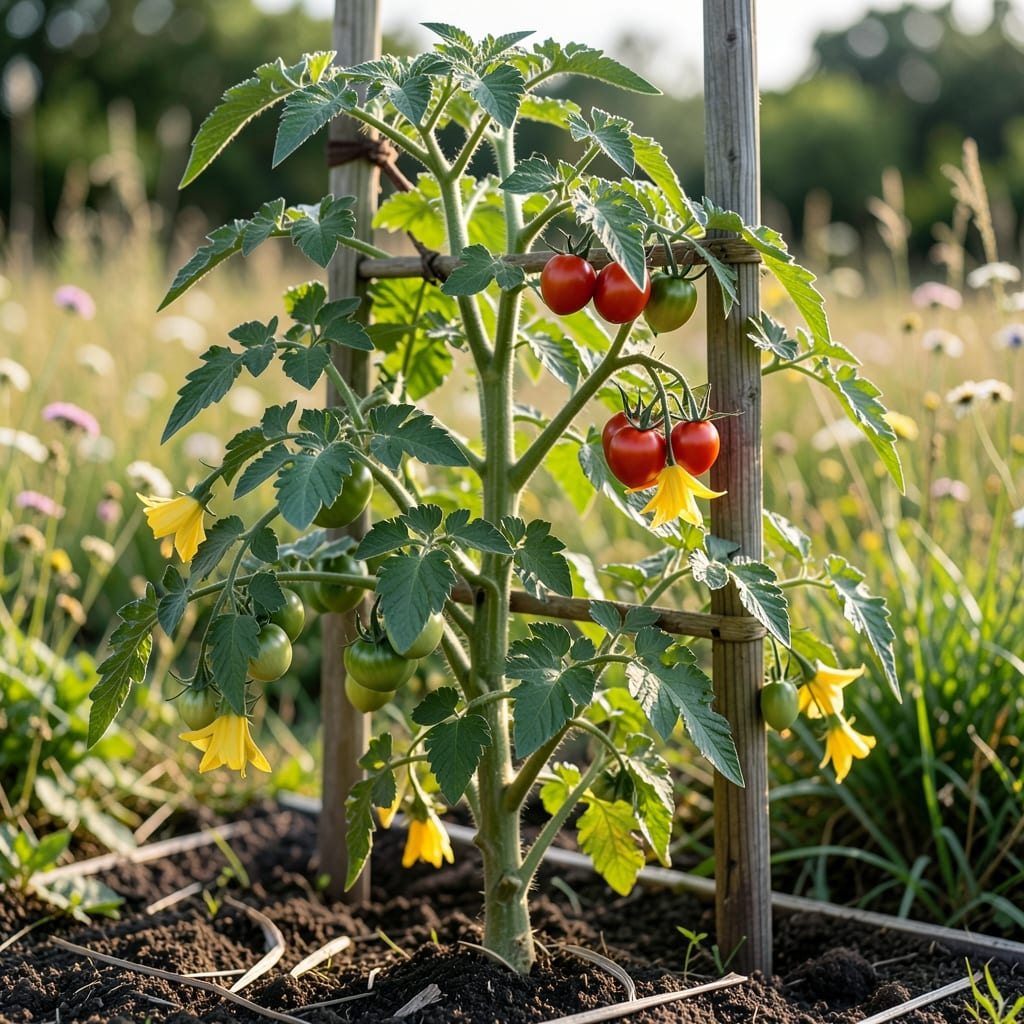
If you’ve ever watched your 🍅 tomato plants grow how tall tomatoes can grow in ways that turn your garden into a jungle overnight, you’re not alone—some varieties can reach heights that’ll make your fence look like a toddler’s block tower! The truth is, how tall your tomatoes grow depends entirely on the type you’re planting, and getting this right could mean the difference between a manageable harvest and a tangled mess in your garden.
Determinate tomatoes, the compact cousins of the tomato world, typically max out around 3 to 5 feet, making them perfect for containers or small spaces. But indeterminate varieties? Those are the sky-scrapers of the garden, easily climbing 6 to 14 feet or more with the right support. Whether you’re dealing with bushy cherry tomatoes or towering heirlooms, understanding these growth patterns is the key to keeping your plants happy—and your harvests bountiful.
In this guide, I’ll break down exactly how tall different tomato varieties can grow, the factors that influence their height (like pruning and climate), and how to manage their vertical ambitions without sacrificing yield. Whether you’re working with limited space or dreaming of a backyard jungle, you’ll learn how to give your tomatoes the perfect growing conditions—and keep them from turning your garden into a jungle gym.
Ready to transform your tomato-growing game? Let’s dive into the heights, the hacks, and the secrets to keeping your plants at the perfect size—no matter how ambitious they get!


Tomato variety heights: determinate vs indeterminate growth explained
Tomatoes come in two distinct growth types that drastically affect their height: determinate (bush) varieties and indeterminate (vining) varieties. The difference isn’t just about size—it’s about how they grow, fruit, and even how you’ll need to support them. Let’s break down the key differences so you can choose the perfect variety for your space and growing style.
Determinate tomatoes are the compact growers of the tomato world, typically reaching 3 to 5 feet tall. They grow in a bush-like shape and produce fruit all at once, making them ideal for gardeners who want a neat, contained plant. Varieties like 'Celebrity' or 'Roma' fit perfectly in small gardens or containers, rarely needing support beyond a sturdy cage.
Indeterminate tomatoes, on the other hand, are the vertical superstars, often climbing 6 to 14 feet tall (or even higher with proper care!). These vining plants keep producing fruit throughout the growing season, making them perfect for trellises, stakes, or even espalier training. Popular varieties like 'Sungold' or 'Brandywine' can turn your garden into a lush, fruiting tower if given the right support.
Here’s the key difference: determinate tomatoes stop growing once they start fruiting, while indeterminate tomatoes keep growing and producing until frost. This means indeterminate varieties need consistent pruning and support to manage their height and direct energy toward fruit production.
The height of your tomato plants also depends on growing conditions. Full sun exposure, rich soil, and proper watering can push indeterminate varieties to their maximum height, while determinate varieties stay relatively consistent regardless of care (though they’ll still thrive with good conditions).
If you’re short on space, determinate tomatoes are your best bet—they stay tidy and don’t require climbing structures. But if you have vertical space to spare, indeterminate varieties will reward you with a continuous harvest all season long.
🌱
| Type | Height Range | Growth Habit | Fruiting Pattern | Support Needed |
|---|---|---|---|---|
| Determinate | 3–5 ft | Bushy, compact | All at once (one harvest) | Cage or stake (optional) |
| Indeterminate | 6–14+ ft | Vining, sprawling | Continuous (all season) | Trellis, stake, or cage (required) |
Now that you know the basics, let’s dive into how to manage height—whether you’re dealing with a 3-foot dwarf or a 12-foot vine monster. Pruning plays a huge role in controlling growth, especially for indeterminate varieties. For example, if you’re growing 'Cherokee Purple' (an indeterminate heirloom), you’ll want to prune aggressively to keep it under control while maximizing fruit production.
Even determinate varieties benefit from light pruning to improve airflow and reduce disease risk. Removing lower leaves and suckers (those little shoots in the leaf axils) can help direct energy to the main stem and fruit clusters. This simple step can make a big difference in your harvest’s quality and quantity.
One common mistake gardeners make is assuming all tomatoes grow the same way. Don’t let a determinate variety climb like an indeterminate one—it’ll struggle under the weight of its own fruit! Similarly, don’t neglect support for indeterminate varieties, or they’ll flop over, leading to broken stems and lost tomatoes.
If you’re growing tomatoes in containers or small spaces, choose determinate varieties or dwarf indeterminate types like 'Tiny Tim'. These stay under 3 feet tall and are perfect for balconies or windowsill gardens. For larger gardens, indeterminate varieties can create a stunning vertical display while providing a steady supply of tomatoes.
🌿
How to prune tomatoes for height control & maximum yield
Pruning tomatoes isn’t just about keeping them from taking over your garden—it’s a game-changer for yield and plant health. When done right, pruning indeterminate varieties can boost fruit production by up to 30% while keeping their height manageable. The key is understanding when and how to prune, as well as what tools to use. For determinate tomatoes, pruning is gentler: focus on removing diseased leaves and improving airflow to prevent blight.
Start pruning when your tomato plants are about 12–18 inches tall. This is when they begin developing suckers—those small shoots that form in the leaf axils (where leaves meet the stem). Suckers are the plant’s way of creating new branches, but removing them redirects energy to the main stem and fruit clusters. For indeterminate varieties, aim to keep just 1–2 main stems by pinching off suckers larger than a pencil. For determinate varieties, minimal pruning is needed—just remove lower leaves to keep the plant’s center dry and reduce disease risk.
🌱
-
Step 1: Identify Suckers
Suckers grow in the V-shaped junction between the main stem and a leaf branch. Pinch them off with your fingers or clean pruners when they’re small (1–2 inches long). -
Step 2: Prune Main Stems
For indeterminate varieties, leave 1–2 main stems. Remove larger suckers to prevent overcrowding. For determinate varieties, prune only to remove diseased leaves or improve airflow. -
Step 3: Support Your Plant
Use trellises, stakes, or cages to support pruned plants. Indeterminate varieties need strong vertical support (like a 6-foot tall trellis) to handle their weight. -
Step 4: Prune Lower Leaves
Remove leaves touching the soil or ground to prevent disease. This improves airflow and reduces humidity around the base. -
Step 5: Harvest Regularly
Pruning works best when paired with consistent harvesting. Remove ripe tomatoes to encourage more fruit production and prevent overloading branches.
One of the biggest mistakes gardeners make is pruning too aggressively or at the wrong time. Never prune more than 1/3 of the plant at once, or you’ll shock the plant and stunt growth. Also, avoid pruning during hot afternoons, as this can stress the plant. Early morning or late afternoon is ideal. If you’re growing tomatoes in containers or small spaces, prune more aggressively to keep height under 4–5 feet—this makes harvesting easier and prevents the plant from toppling over.
For vertical gardening, pruning becomes even more critical. Train indeterminate varieties like 'Sungold' or 'Brandywine' to climb a trellis by tying the main stem to the support with soft plant ties. As the vine grows, weave it through the trellis or cage to create a living fence of tomatoes. This not only saves space but also improves fruit quality by reducing soil-borne diseases. Just remember: the more you prune, the more you’ll need to fertilize and water to support new growth.
If you’re growing heirloom tomatoes, which often have larger fruit, pruning is especially important. Varieties like 'Cherokee Purple' or 'Brandywine' can produce pound-sized tomatoes, but their vines need careful management to avoid snapping under the weight. Prune suckers regularly and use a wide trellis or cage to distribute the load evenly. For extra support, consider using a tomato harness—a soft fabric loop that wraps around the stem and attaches to the trellis, preventing the plant from bending or breaking.
🪴