
Flowers
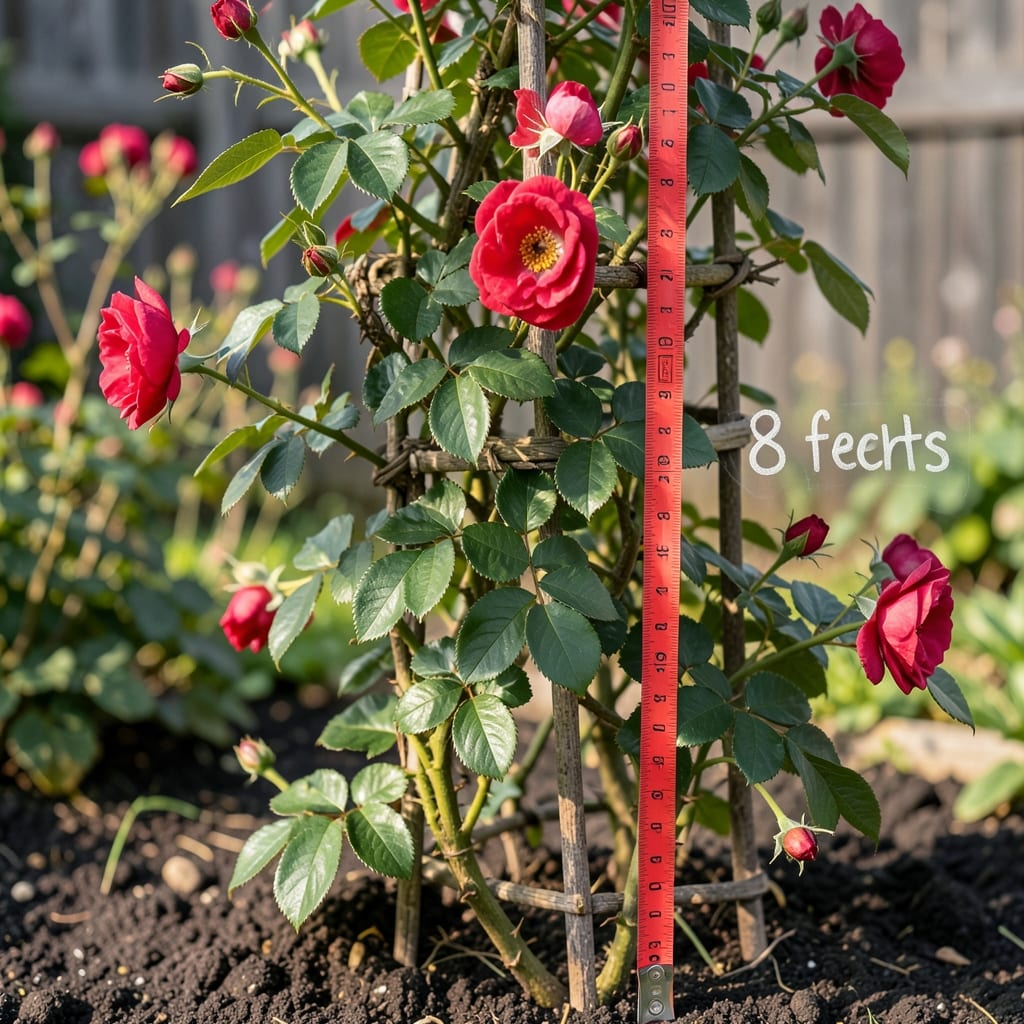
Ever dreamed of a garden where roses reach sky-high, like living skyscrapers, or wondered how tall can roses grow—from delicate 1-foot miniatures to 10-foot climbing giants that need trellises just to stay upright? The answer lies in the stunning diversity of rose heights—from tiny varieties that stay as small as dinner plates to towering varieties that defy gravity. If you're planning your garden layout or simply curious about which roses fit your space, understanding these height variations is the key to success. Some roses grow tall naturally, while others can be pruned to stay compact—meaning you have more control than you think. Let’s explore how to choose and care for roses that match your vision, whether you want a romantic hedge or a dramatic vertical display. Climbing roses, like the legendary 'New Dawn,' can soar to 10 feet or more, while shrub roses typically range from 3 to 6 feet. Miniature roses, on the other hand, top out at just 12 to 18 inches, making them perfect for containers or borders. The right variety can transform your garden into a lush, fragrant masterpiece—without taking over your yard. Ready to discover how to support your roses’ growth naturally? I’ll share practical tips on pruning, spacing, and soil care to help you manage their height sustainably. Whether you’re a beginner or a seasoned gardener, these insights will ensure your roses thrive at the perfect size for your space.


Rose height variations: from dwarf to climbing giants (with exact measurements)
Roses aren’t one-size-fits-all when it comes to height—some varieties stay as small as a dinner plate, while others climb like jungle vines. Understanding these height variations helps you choose roses that fit your garden’s design and space constraints. Let’s break down the four main categories: dwarf, compact, standard, and climbing roses, along with their mature heights and ideal spacing.
The tiniest roses, like the 'Fairy' miniature, top out at just 12 to 18 inches, making them perfect for containers, window boxes, or rock gardens. These petite powerhouses pack big blooms into small spaces, but they require the same care as their taller cousins. On the opposite end of the spectrum, climbing roses like 'New Dawn' can reach 10 to 15 feet or more, needing sturdy trellises or arbors to support their weight.
Between these extremes, compact roses (2 to 3 feet tall) and shrub roses (3 to 6 feet tall) offer versatile options for borders, hedges, or standalone focal points. Even standard roses, which are grafted onto taller stems, can grow between 5 to 10 feet when fully mature. The key to managing their height lies in pruning, soil quality, and sunlight exposure—all of which we’ll explore in detail.
| Rose Type | Mature Height | Ideal Spacing | Best For |
|---|---|---|---|
| Dwarf Roses | 12–18 inches | 12–18 inches apart | Containers, rock gardens, window boxes |
| Compact Roses | 2–3 feet | 2–3 feet apart | Borders, hedges, small gardens |
| Shrub Roses | 3–6 feet | 3–4 feet apart | Backyard plantings, privacy screens |
| Standard Roses | 5–10 feet | 4–6 feet apart | Focal points, formal gardens |
| Climbing Roses | 10–15+ feet | 6–8 feet from trellis | Arbors, pergolas, fences |
If you’re planning a vertical garden, climbing roses are a game-changer. Varieties like 'Zephirine Drouhin' can grow 20 feet or more with proper support, creating a stunning canopy of blooms. For smaller spaces, miniature roses or polyantha roses (1 to 3 feet tall) are ideal—they thrive in pots and add charm without overwhelming your layout.
One common misconception is that taller roses always require more maintenance. While climbing roses do need sturdy trellises and regular pruning to control their height, shrub roses like 'Knock Out' roses grow to 3 to 4 feet with minimal upkeep. The secret to managing height lies in pruning techniques—whether you’re encouraging vertical growth or keeping a rose bush compact. For example, cutting back a climbing rose by one-third in early spring promotes bushier growth and prevents overcrowding.
Soil quality also plays a huge role in how tall a rose will grow. Roses planted in nutrient-rich, well-draining soil with a pH of 6.0 to 6.5 tend to grow taller and healthier. Amending your soil with compost or organic matter before planting gives roses the foundation they need to reach their full potential. In contrast, poor soil can stunt growth, even in varieties known for their height.
Sunlight is another critical factor. Most roses need at least 6 hours of direct sunlight daily to grow vigorously. Without enough light, even a climbing rose might stay stunted or produce fewer blooms. If your garden has shady spots, opt for low-light-tolerant varieties like 'Double Delight' or 'Playboy,' which thrive with 4 to 6 hours of sun and grow to 3 to 4 feet tall.
For those with limited space, container gardening is a fantastic solution. Dwarf and compact roses thrive in pots, allowing you to place them on patios, balconies, or even windowsills. Just ensure your container has drainage holes and is at least 12 inches deep
How to choose the right rose height for your garden space and climate
Selecting the perfect rose height for your garden isn’t just about aesthetics—it’s about creating a thriving, functional space that works with your layout and climate. Whether you’re dreaming of a romantic trellis or a low-maintenance border, the right variety can make all the difference. Start by assessing your garden’s available space and sunlight exposure, as these two factors directly influence which roses will flourish—and how tall they’ll grow.
For small gardens or containers, dwarf and compact roses (12 inches to 3 feet tall) are ideal. These varieties, like 'Fairy' or 'Playboy,' fit neatly into window boxes, patio pots, or tight borders without overwhelming your space. If you’re working with a larger backyard, shrub roses (3 to 6 feet) or standard roses (5 to 10 feet) can create stunning focal points or privacy screens. Meanwhile, climbing roses (10+ feet) are perfect for arbors, pergolas, or fences, adding vertical drama to your landscape.
- 1 Assess your space: Measure your garden’s dimensions and note obstacles like fences or walkways. Climbing roses need 6+ feet of vertical clearance, while dwarf roses thrive in 12-inch pots.
- 2 Match roses to sunlight: Full-sun varieties (6+ hours of light) like 'Knock Out' roses grow taller and healthier. For shady spots, choose low-light roses (e.g., 'Double Delight') that stay compact (3–4 feet).
- 3 Plan for climate zones: In hot, dry climates, opt for drought-tolerant varieties like 'Flower Carpet' (2–3 feet). In colder regions, hardy shrub roses (e.g., 'Dr. Huey') grow 4–5 feet and survive winters better.
- 4 Prune for control: Regular pruning in late winter or early spring can shape growth. To keep a climbing rose compact, prune back by one-third each year. For bushier shrub roses, cut back old canes to encourage new blooms.
- 5 Support tall varieties: Climbing roses need sturdy trellises or arbors to prevent flopping. Install supports at planting and train vines gently to avoid damaging stems.
Your garden’s climate zone also plays a crucial role in rose height. In USDA Zones 3–5, cold-hardy shrub roses like 'Cornelia' (4–5 feet) thrive, while in Zones 7–10, heat-tolerant varieties like 'Earth Song' (3–4 feet) perform best. If you’re in a coastal or humid area, choose disease-resistant roses to avoid stunted growth from fungal issues.
For urban gardeners with limited space, consider container gardening with dwarf or miniature roses. Varieties like 'Bonica' (2–3 feet) or 'Tom Thumb' (1–2 feet) grow beautifully in 12-inch pots with proper drainage. Just
Finally, don’t overlook the visual impact of rose height in your design. Tall roses like 'New Dawn' (10+ feet) create dramatic vertical lines, while low-growing varieties add texture to borders. Mixing heights—like pairing a 3-foot shrub rose with a 6-foot climber—adds depth and interest to your garden layout. With the right variety and care, your roses will grow to their full potential—whether that’s a sky-high trellis or a cozy container on your patio. 🌹