
Trees
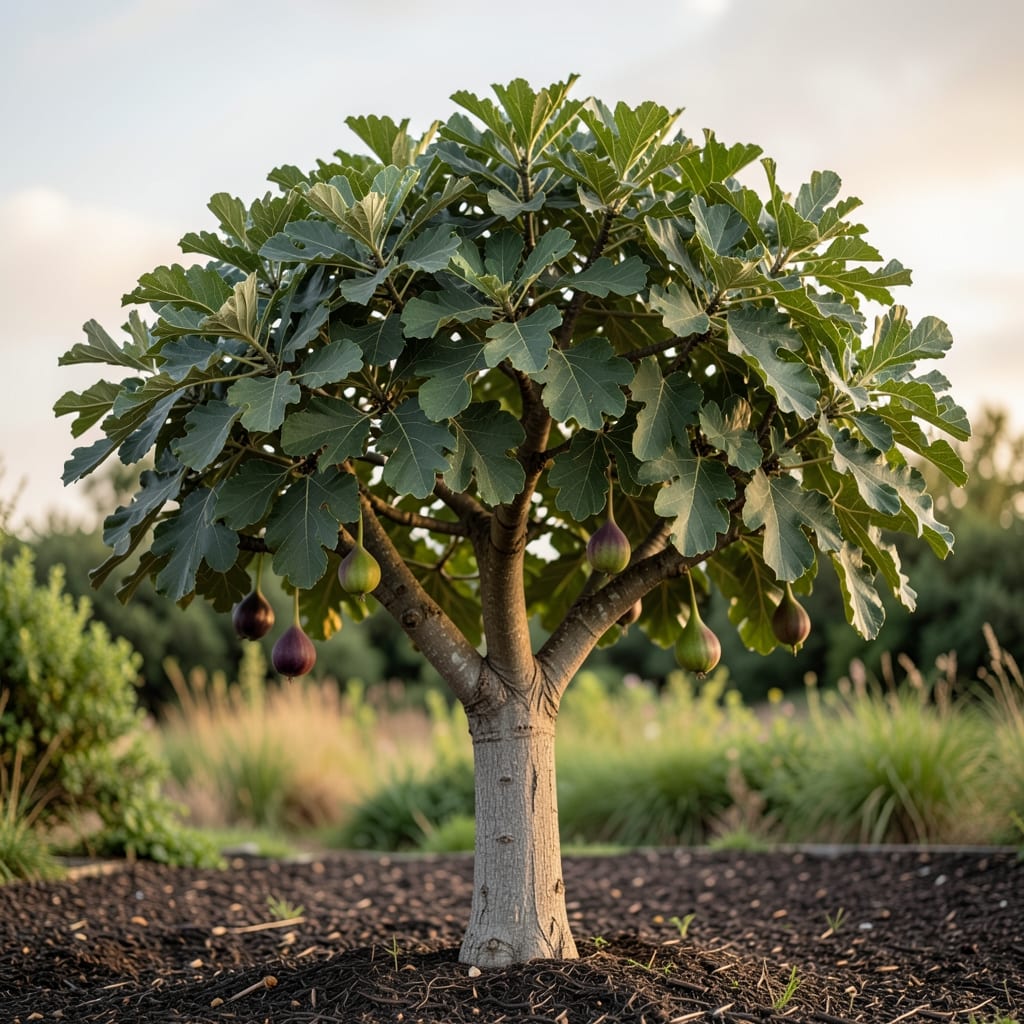
If you’ve ever planted a fig tree and wondered how tall can fig trees grow, whether it’ll stay small enough for your patio or stretch toward the sky like a backyard giant, the answer depends entirely on the variety you choose. 🍈 Fig trees can range from compact 8-foot dwarfs to towering 30-foot giants, making them one of the most versatile trees for any garden—or even a container.
But here’s the catch: size isn’t just about genetics. Climate, pruning habits, and soil quality play a huge role in how tall your fig tree grows. Whether you’re dreaming of a shade-providing giant or a manageable patio plant, understanding these factors is the key to getting the height you want.
In this guide, I’ll break down the height ranges of popular fig varieties, from the smallest dwarfs to the fastest-growing giants, and share practical tips to control their size. You’ll learn how to keep a tree at 10 feet or let it reach its full 25-foot potential—without sacrificing fruit production.
Ready to plan your perfect fig tree? Let’s dive into the varieties, growth habits, and pruning secrets that will help you decide whether to go big or stay small.

Fig tree height by species: from dwarf varieties to giant trees
Fig trees are one of the most versatile fruit trees you can grow, with varieties that range from compact patio plants to towering shade trees. The key to controlling their height starts with choosing the right species. Some figs stay under 10 feet while others can reach 30 feet or more, making them perfect for everything from urban balconies to rural orchards.
Your choice of variety determines whether you’ll need to prune aggressively or simply enjoy watching your tree grow. For example, the 'Little Miss Figgy' variety stays under 8 feet while the 'Violette de Bordeaux' can easily surpass 20 feet. Understanding these differences helps you plan your garden layout and avoid surprises down the road.
Here’s a quick look at how different fig tree species compare in terms of mature height and growth habits:
The 'Little Miss Figgy' is my top recommendation for container gardening or small spaces. It produces sweet figs but stays under 8 feet, making it perfect for balconies or patio gardens. Meanwhile, the 'Celeste' variety grows faster and reaches 10-15 feet, ideal for small yards where you want both shade and fruit.
If you’re planning for a long-term shade solution, varieties like 'Brown Turkey' or 'Violette de Bordeaux' are excellent choices. These can grow to 30 feet or taller, providing ample shade for outdoor living spaces or even small orchards. Just be prepared for their size—these aren’t trees you’ll want to prune back drastically.
Another factor to consider is growth rate. Fast-growing varieties like 'Celeste' can add 3-5 feet per year in ideal conditions, while slower growers like 'Little Miss Figgy' might only gain 1-2 feet annually. This makes a big difference if you’re planning to harvest fruit sooner rather than later.
For drought-prone areas, the 'Desert King' variety is a standout. It grows to 15-20 feet but thrives with minimal water once established, making it a low-maintenance option for hot climates. This variety also produces large, sweet figs, so you won’t sacrifice fruit quality for its hardiness.
When selecting a fig tree, also consider your local climate. Some varieties, like 'Violette de Bordeaux', prefer cooler climates and may struggle in extreme heat, while others, like 'Desert King', are built for arid conditions. Matching your tree to your environment ensures it reaches its full height potential without stress.
Whether you’re aiming for a compact patio tree or a shade-providing giant, choosing the right variety is the first step. Next, we’ll explore how to control your fig tree’s height through pruning, training, and growing conditions—so you can shape it to fit your space perfectly.
How to control fig tree height: pruning, training, and growing conditions
Fig trees are remarkably adaptable, but their height isn’t set in stone—it’s shaped by your choices. Whether you want a 6-foot patio tree or a 20-foot shade provider, the right techniques can make all the difference. The key lies in pruning, training, and optimizing growing conditions to steer growth in your desired direction.
Start with pruning, the most direct way to control height. Fig trees grow from multiple trunks or a single stem, and strategic cuts can keep them compact or encourage vertical growth. For dwarf varieties, I recommend heading back (cutting back new growth) in early spring to maintain a bushy shape. For larger trees, selective pruning of upward-growing branches prevents them from becoming unmanageable.
Training young fig trees is another game-changer. Use stakes or trellises to guide growth direction—tie the main stem to a vertical support if you want a single-trunk tree, or let it sprawl for a multi-stemmed look. This method works especially well for container-grown figs, where you can limit root spread and control height through pot size and pruning.
🌱 Step-by-Step Guide to Controlling Fig Tree Height
- Prune in late winter to remove water sprouts and shape the tree before new growth begins.
- Use a 3-way cut for larger branches to prevent tearing—angle the first cut upward, then make the final cut just outside the branch collar.
- Train young trees with stakes or trellises to direct growth—ideal for container figs or small-space gardens.
- Fertilize lightly in spring to encourage leafy growth (not just height) with a balanced 5-10-10 fertilizer.
- Mulch heavily (3-4 inches) to retain moisture and reduce stress, which can stunt growth.
- Monitor sunlight—figs need 6+ hours of sun daily, but too much heat can stress dwarf varieties.
Soil and sunlight also play critical roles. Fig trees thrive in well-draining soil with a slightly alkaline pH (6.5-7.5). Amend heavy clay with compost to improve drainage, as soggy roots can lead to stunted growth. For container figs, choose pots with drainage holes and use a fast-draining mix like cactus soil blended with compost.
Climate matters too—figs in warmer zones (USDA 8-11) grow faster and taller than those in cooler areas. If you’re in a Zone 7 or below, opt for cold-hardy varieties like 'Chicago Hardy' and prune aggressively in fall to protect against frost damage. In milder climates, you can let trees grow to their full potential with minimal intervention.
Remember, patience is key. Fig trees grow 1-3 feet per year, so dramatic height changes take time. For immediate results, combine pruning, training, and container growing—this trio is your secret weapon for keeping fig trees at your ideal height, whether that’s a 5-foot patio tree or a 25-foot backyard giant.