
How To
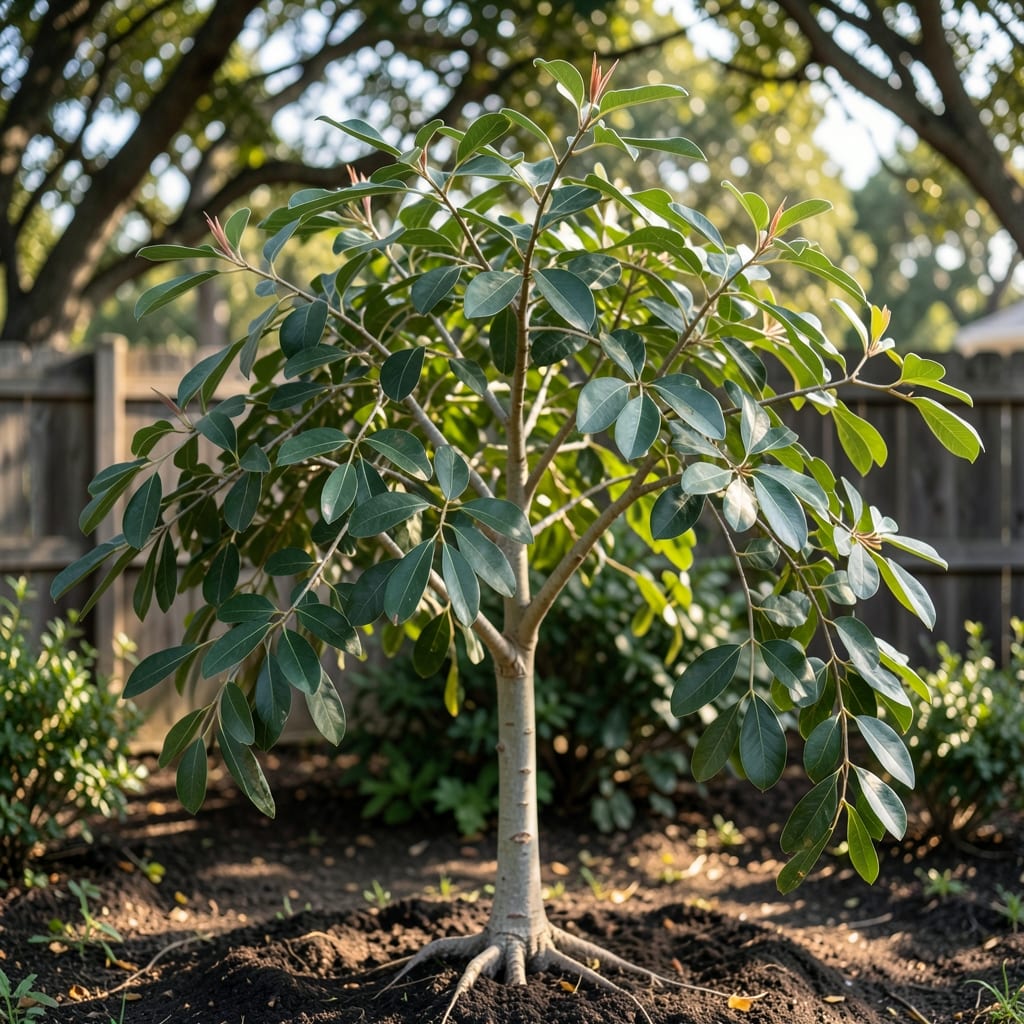
If you're dreaming of a lush, leafy 🌳 Benjamin Fig Tree but wondering how tall can the Benjamin fig tree grow? before it outpaces your space, you're not alone. The truth? This popular houseplant can stretch toward the sky—up to 30 feet if left unchecked—but with the right care, you can keep it at a manageable height, even indoors.
Most gardeners assume Benjamin Fig Trees are low-maintenance, but their height depends on variety, light exposure, and pruning habits. Whether you're working with a compact 'Too Little' or a fast-growing standard type, understanding these factors is key to controlling its growth naturally. Let's break down what to expect and how to keep your tree at your ideal height.
Imagine checking your tree's height every few months and realizing it's grown 2 feet without you noticing—until it's too late. The good news? Pruning isn't just about trimming branches; it's about shaping your tree's future. With the right techniques, you can encourage bushier growth while keeping it from becoming a ceiling hazard.
Ready to learn how to manage your Benjamin Fig Tree's height without sacrificing its beauty? I'll walk you through the secrets of variety-specific growth, pruning timelines, and common mistakes that turn a manageable tree into an unruly giant. Let's get started.


Benjamin fig tree height limits by variety: what to expect without pruning
Your Benjamin fig tree (Ficus benjamina) can grow to stunning heights—but the final size depends entirely on its variety and growing conditions. Without pruning, most standard types reach 15 to 30 feet tall, while dwarf varieties stay under 10 feet. Understanding these differences helps you plan for your space, whether indoors or outdoors.
Outdoor Benjamin fig trees thrive in USDA Zones 10-12, where they can grow unrestrained by frost. In containers, their height is limited by root space, but they’ll still climb toward sunlight and warmth. Indoor plants, however, rarely exceed 6 to 10 feet unless they’re given ideal conditions and neglected pruning.
Here’s the key: Genetics set the baseline, but light, water, and care determine how close your tree gets to its maximum height. For example, a 'Midnight' variety might grow taller than a 'Too Little' in the same conditions because of its natural vigor.
🌳
| Variety | Mature Height (Outdoor) | Indoor Height Limit | Growth Rate (Yearly) | Best For |
|---|---|---|---|---|
| 'Exotica' | 20–30 ft | 8–12 ft | 2–4 ft/year | Outdoor landscapes, large containers |
| 'Starlight' | 15–25 ft | 6–10 ft | 1.5–3 ft/year | Indoor decor, small patios |
| 'Midnight' | 25–30 ft | 10–14 ft | 3–5 ft/year | Tropical gardens, large indoor spaces |
| 'Too Little' | 8–12 ft | 4–6 ft | 1–2 ft/year | Small apartments, offices |
| 'Variegata' | 18–25 ft | 7–10 ft | 2–3 ft/year | Statement plants, conservatories |
Note: Heights assume no pruning and optimal conditions. Indoor growth slows due to limited light.
If you’re growing a Benjamin fig tree outdoors, expect rapid growth in warm climates. In Zone 10 or higher, these trees can add 3 to 5 feet per year without pruning. For example, a 'Midnight' variety might reach 20 feet in just 5 years if given full sun and regular water.
Indoors, growth slows significantly due to limited light. A south-facing window provides the best conditions, but even then, most varieties max out at 6 to 10 feet unless you’re using grow lights. Low light stunts growth, while bright, indirect light encourages healthier, slower expansion.
Container size also plays a critical role. A Benjamin fig tree in a 5-gallon pot will grow much slower than one in a 15-gallon container. Root-bound trees focus energy on leaves and branches rather than height, but they’ll still reach their genetic potential over time—just at a slower pace.
For small-space gardeners, dwarf varieties like 'Too Little' are ideal. These stay under 6 feet tall and grow at a manageable 1 to 2 feet per year, making them perfect for apartments or offices. Even standard varieties can be kept compact with regular pruning and container limits.
🪴
One common misconception is that Benjamin fig trees grow indefinitely. While they can live for decades, their height growth slows as they mature. After 10 to 15 years, most varieties see reduced vertical growth unless pruned to encourage new shoots. This is why many gardeners prune annually—not just to control height, but to rejuvenate the tree.
If you’re unsure about your tree’s variety, check the leaf shape and color. For example, 'Starlight' has silvery-white leaves, while 'Midnight' features deep purple-black foliage. Knowing your variety helps you set realistic height expectations and care routines.
Benjamin fig tree height limits by variety: what to expect without pruning
The Benjamin Fig Tree (Ficus benjamina) is famous for its adaptability, but its height varies dramatically by variety and growing conditions. Without pruning, standard types can reach 20–30 feet, towering over homes. However, dwarf varieties like 'Too Little' stay under 10 feet, making them perfect for apartments.
Your tree’s growth speed also depends on light exposure. In bright, indirect light, most varieties grow 1–2 feet per year. Poor lighting slows growth but may lead to leggy, weak stems. Understanding these factors helps you plan for your space.
Here’s how common varieties compare in height without pruning:
| Variety | Height Without Pruning | Growth Rate (Annual) | Ideal Light |
|---|---|---|---|
| 'Exotica' | 15–25 ft | 1–2 ft | Bright, indirect |
| 'Starlight' | 12–20 ft | 1 ft | Moderate light |
| 'Midnight' | 18–25 ft | 1.5 ft | Bright, indirect |
| 'Too Little' | 6–10 ft | 6–12 in | Low to moderate |
Outdoor Benjamin Fig Trees grow faster than indoor ones due to more sunlight and space. In containers, growth slows until roots fill the pot. If you notice your tree growing too quickly, it’s likely getting too much light or nutrients.
For indoor trees, choose a dwarf variety or prune regularly to maintain height. Even standard types can be kept under 6 feet with consistent pruning. The key is balancing growth with your space and lifestyle.
Remember, pruning isn’t just about height—it also encourages denser foliage. Start pruning early to avoid dealing with a towering tree later. With the right variety and care, your Benjamin Fig Tree can thrive at any height you choose.