
Size
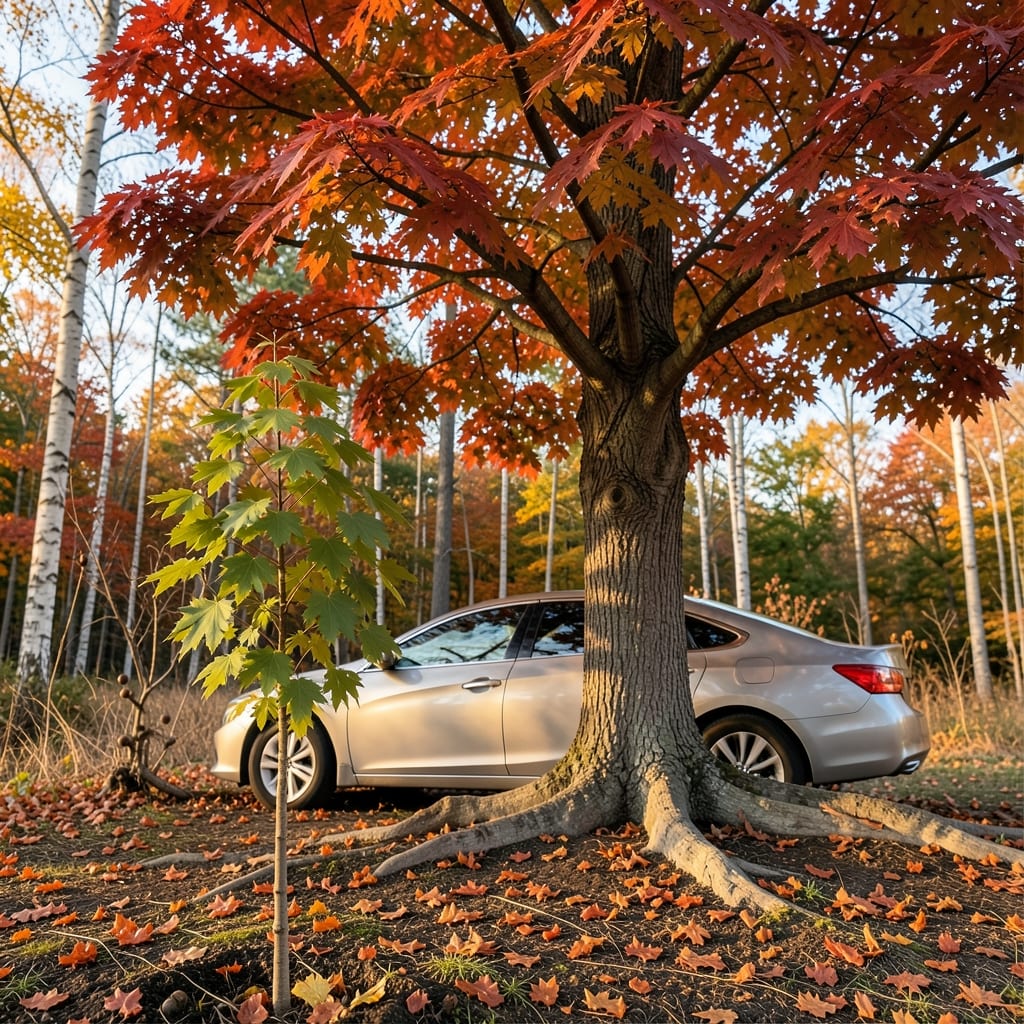
If you’ve ever wondered just how tall a maple tree 🌳 can grow, the answer might surprise you—some species stretch taller than a 4-story building, while others stay compact enough for small yards. The height of your maple isn’t just about species; it’s shaped by where you plant it, how you care for it, and even the climate in your USDA Zone 6a area.
Picture this: a Sugar Maple reaching 75 feet in its prime, or a Silver Maple soaring past 100 feet with proper conditions. But here’s the catch—these giants don’t grow overnight. In their first decade, they’re more like teenagers, shooting up 3-5 feet per year, before slowing their pace as they mature.
Whether you’re dreaming of a towering shade tree or a manageable backyard centerpiece, knowing the growth potential helps you plan. I’ll break down the height ranges by species, share tips to encourage (or control) their growth, and reveal the 5 key factors that determine just how high your maple will climb.
Ready to turn your backyard into a maple tree haven? Let’s dive into the numbers, growth rates, and secrets to nurturing these iconic trees—no matter how tall (or small) you want them to be.

Maple tree height by species: from dwarf varieties to skyscraper giants
Maple trees aren’t one-size-fits-all—their height can vary wildly depending on the species, with some reaching skyscraper heights while others stay compact enough for small yards. The Sugar Maple, for example, typically grows between 60-75 feet, while the Silver Maple can tower over 100 feet under ideal conditions. But if you’re working with limited space, dwarf varieties like the Japanese Maple stay under 25 feet.
Choosing the right species isn’t just about height—it’s also about your climate, soil type, and how much shade you want. Urban gardeners often opt for semi-dwarf varieties (25-40 feet) to avoid power line conflicts, while rural properties can accommodate the tallest maples like the Norway Maple, which can hit 120 feet in the wild.
Here’s the breakdown of what to expect from the most popular maple species, including their mature heights and ideal growing conditions:
| Species | Mature Height (ft) | Growth Rate (ft/year) | Best For |
|---|---|---|---|
| Sugar Maple | 60-75 | 1-2 (young), 0.5 (mature) | Shade trees, large yards |
| Red Maple | 40-60 | 2-3 (young), 0.5 (mature) | Urban landscapes, wildlife habitats |
| Silver Maple | 70-100+ | 3-5 (young), 1 (mature) | Fast shade, wet soils |
| Norway Maple | 50-70 | 2-4 (young), 0.5 (mature) | Privacy screens, aggressive root control |
| Japanese Maple | 15-25 (dwarf varieties) | 0.5-1 (slow-growing) | Ornamental gardens, containers |
The Silver Maple is the undisputed height champion, often outgrowing its siblings by 30-40 feet in ideal conditions. Its fast growth rate makes it a favorite for quick shade, but it’s also more prone to disease and shorter lifespan (60-80 years) compared to the Sugar Maple, which can live 200+ years and grows at a steadier pace.
If you’re planting near power lines or in a tight urban space, consider semi-dwarf varieties like the Red Maple or Norway Maple. These stay under 60 feet while still providing ample shade. For container gardening or bonsai enthusiasts, Japanese Maples are the perfect choice—their compact growth and stunning foliage make them a year-round showstopper.
One common mistake I see is assuming all maples grow at the same rate. Silver Maples can add 5 feet in a single year when young, while Japanese Maples might only grow 6 inches annually. Planning for this difference is key—especially if you’re planting near structures or other trees.
Pro tip: Check your local USDA Zone 6a guidelines before planting. Some maple species, like the Sugar Maple, thrive in colder climates, while Silver Maples prefer warmer zones. Matching the species to your climate ensures healthier growth and fewer surprises down the line.
How fast do maple trees grow? Growth rate chart by age and species
Maple trees don’t grow at the same speed throughout their lives. In their first few years, they can shoot up like rocket sprigs, but as they mature, their growth slows dramatically. For example, a Silver Maple might gain 3-5 feet per year in its youth but only add 1 foot annually once it reaches 20 years old. This growth pattern is crucial for planning—whether you’re planting a shade tree or a compact ornamental variety.
Fast-growing species like the Norway Maple can reach 30 feet in just 10 years, while slower varieties such as the Japanese Maple might only hit 10 feet in the same timeframe. Understanding these rates helps you predict when your tree will provide that coveted shade or when it might outgrow its space. Let’s break down the numbers by species and age to give you a clear timeline.
| Species | Height at 5 Years | Height at 10 Years | Height at 20 Years | Annual Growth Rate (Early Years) |
|---|---|---|---|---|
| Sugar Maple | 10-15 ft | 20-30 ft | 40-50 ft | 2-3 ft/year |
| Silver Maple | 15-20 ft | 30-40 ft | 60-80 ft | 3-5 ft/year |
| Red Maple | 12-18 ft | 25-35 ft | 45-55 ft | 2.5-4 ft/year |
| Norway Maple | 18-25 ft | 35-45 ft | 50-60 ft | 4-6 ft/year |
| Japanese Maple | 3-5 ft | 6-10 ft | 15-25 ft | 0.5-1 ft/year |
The chart above shows why Norway Maple is often called the "aggressive grower" of the maple family. If you’re planting near power lines or sidewalks, its rapid early growth could become a liability. On the flip side, Japanese Maples are perfect for small gardens or containers—they grow at a snail’s pace but deliver stunning foliage and form.
To maximize growth, focus on soil quality, sunlight exposure, and consistent watering during the first 3 years. A young maple tree planted in well-draining soil with 6+ hours of sun will reward you with faster height gains. Avoid over-fertilizing, though—too much nitrogen can spur leafy growth at the expense of vertical height.
Once your maple hits 20 years old, its growth rate will slow to a crawl, often adding just 1 foot every 2-3 years. This is when their majestic, wide-canopied forms truly shine. If you’re planning for shade, now’s the time to enjoy the fruits of your patience—literally, if you’re growing a Sugar Maple for syrup!