
How To
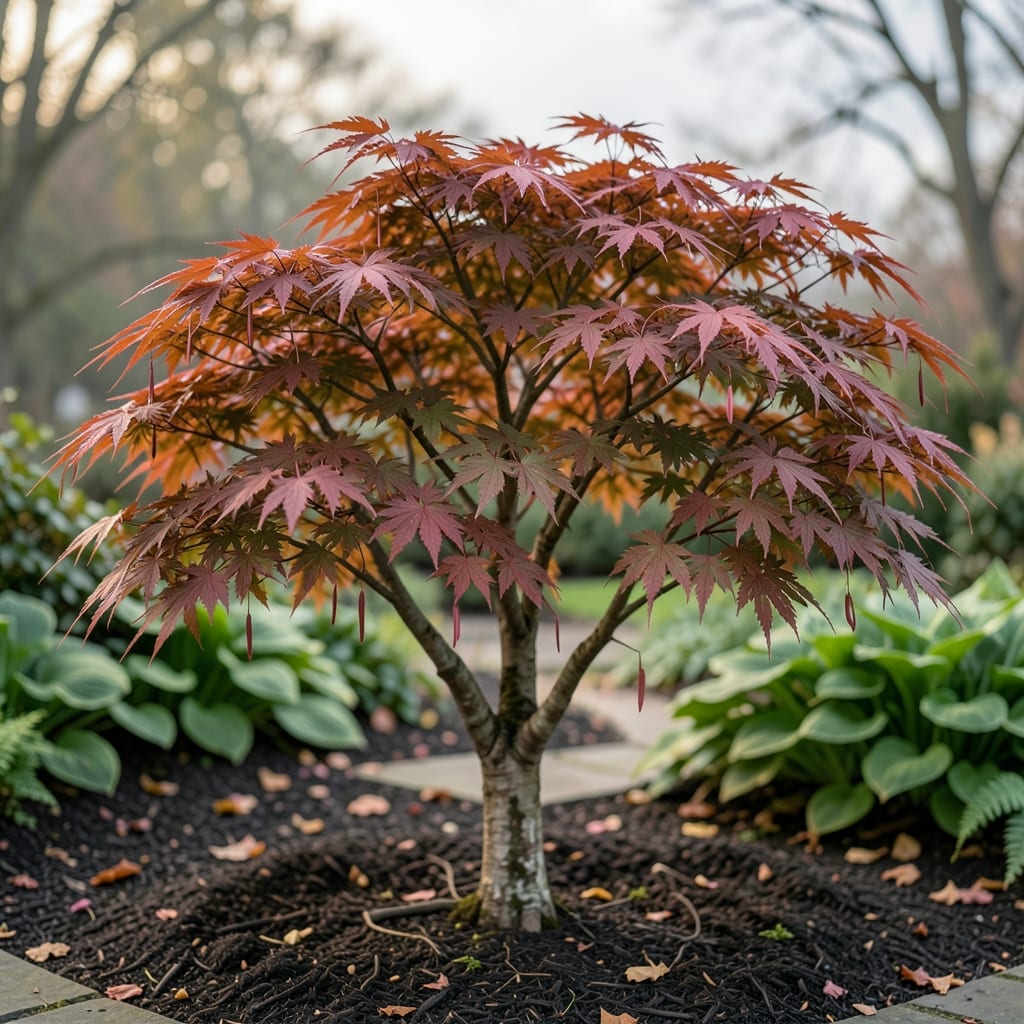
If you're dreaming of adding a Japanese Maple 🌿 to your garden, you might be surprised by just how tall these stunning trees can grow—some dwarf varieties stay compact, while others stretch toward the sky like nature's skyscrapers. The height of your Japanese Maple isn't just about luck; it depends entirely on the variety you choose and how you care for it.
From the delicate 'Bloodgood' that tops out around 15 feet to the towering 'Emperor I' that can reach 30 feet, understanding these height ranges is the key to planning your perfect landscape. Whether you're working with a tiny urban patio or a sprawling backyard, knowing what to expect will help you pick the right tree for the space.
But here's where it gets interesting: even within the same species, growth habits can vary wildly based on sunlight, soil, and pruning. I'll walk you through the 10 most popular varieties and exactly how tall they'll grow—plus the secrets to controlling their size if you need a more manageable specimen.
Ready to transform your outdoor space with the perfect Japanese Maple? Let's dive into the details so you can make an informed choice that'll pay off for years to come.

Japanese Maple height ranges by variety: from dwarf to giant trees
Japanese maples (Acer palmatum and Acer japonicum) offer a stunning range of heights, from tiny patio specimens to towering shade trees. Their mature size depends on the specific variety, growth rate, and cultivation conditions. Some stay under 3 feet, while others reach 25 feet or more, making them versatile for any garden. Understanding these differences helps you select the perfect tree for your space, whether you want a bonsai-sized accent or a majestic focal point.
Most Japanese maples grow slowly, adding only 6-12 inches per year, which means their height develops gradually over decades. However, some varieties like Acer japonicum 'Aconitifolium' can grow faster under ideal conditions. The rootstock (underlying root system) also plays a role—dwarf varieties are often grafted onto semi-dwarf or standard rootstocks to control size. Always check the nursery label for expected mature heights, as mislabeling is common.
Key factors influencing height:
- Species: Acer palmatum typically stays smaller than Acer japonicum.
- Cultivar: Some are bred for compact growth (e.g., 'Bloodgood' vs. 'Crimson Queen').
- Pruning: Regular trimming can reduce height by 20-30% over time.
- Soil & Sun: Rich, well-draining soil with partial shade promotes healthier growth.
Here’s a quick comparison: Dwarf varieties (under 6 feet) are perfect for containers, bonsai, or small gardens, while semi-dwarf (6-12 feet) and standard (15+ feet) types thrive in woodland gardens or as specimen trees. Always consider your available space and long-term maintenance needs before planting.
| Variety | Mature Height (ft) | Spread (ft) | Growth Rate | Best For |
|---|---|---|---|---|
| Acer palmatum 'Bloodgood' | 15-20 ft | 12-15 ft | Slow | Large gardens, focal points |
| Acer palmatum 'Crimson Queen' | 6-10 ft | 5-8 ft | Slow | Small gardens, containers |
| Acer palmatum 'Shishigashira' | 3-5 ft | 3-4 ft | Very slow | Bonsai, patios, rock gardens |
| Acer japonicum 'Aconitifolium' | 20-25 ft | 15-20 ft | Moderate | Large landscapes, shade trees |
| Acer palmatum 'Orange Dream' | 8-12 ft | 6-10 ft | Slow | Medium gardens, containers |
| Acer palmatum 'Dissectum' | 4-6 ft | 4-5 ft | Slow | Bonsai, small spaces |
| Acer palmatum 'Emperor I' | 12-15 ft | 10-12 ft |
How growth rate and pruning affect Japanese Maple height over timeJapanese maples grow at their own pace—some varieties inch upward just a few inches per year, while others can shoot up 12 inches annually under ideal conditions. Understanding these growth rates helps you predict how quickly your tree will reach its mature height and plan for long-term care. For example, the 'Bloodgood' variety grows about 6-12 inches per year, while the 'Emperor I' can grow 12-24 inches annually in optimal conditions. Growth isn’t steady year-round either. Most Japanese maples experience a spring growth spurt when temperatures rise above 50°F (10°C), with new leaves unfurling and stems elongating rapidly. In late summer, growth slows as the tree prepares for dormancy, making late-season pruning less effective for height control. This seasonal pattern is why timing matters when you’re trying to manage your tree’s size. 🌿 ⚠️ Pruning Pitfalls: When to Trim and When to WaitPruning at the wrong time can stunt growth or damage your Japanese Maple. Never prune in late fall or winter—this stresses the tree when it’s already dormant. Instead, focus on late winter or early spring (just before buds swell) for structural pruning. If you need to control height, prune just after flowering (late spring) to avoid removing next year’s blooms. Pruning is the most effective way to control height, but it requires patience and precision. If you want to keep your 'Crimson Queen' under 6 feet, for instance, you’ll need to prune the topmost branches by 20-30% annually during its active growth phase. However, avoid cutting into the main trunk—this can weaken the tree and leave it vulnerable to disease. Instead, focus on removing suckers and upward-growing branches to encourage a bushier, more compact form. Soil and sunlight also play a surprising role in height. Trees grown in full sun (6+ hours of direct light) tend to grow taller and leggier, while those in partial shade (4-6 hours of filtered light) stay more compact. If your Japanese Maple is stretching toward the sky, it might be craving more shade. Conversely, if it’s growing too slowly, it could benefit from a slightly sunnier spot—just avoid harsh afternoon sun, which can scorch delicate foliage. One common misconception is that all Japanese maples grow slowly. While many varieties are indeed slow-growing, some like 'Seiryu' or 'Shishigashira' can grow more aggressively if given the right conditions. The key is to match your variety’s natural growth rate with your garden’s space and your willingness to prune. For example, if you love the look of 'Bloodgood' but want a smaller version, consider its weeping form, which stays under 10 feet with proper care. For container-grown Japanese maples, height control becomes even easier—root-bound trees naturally stay smaller. Just ensure your pot is at least 12 inches deep and repot every 2-3 years to refresh the soil. With containers, you can also prune roots during repotting to further limit height, though this should be done sparingly to avoid stressing the tree. |