
Trees
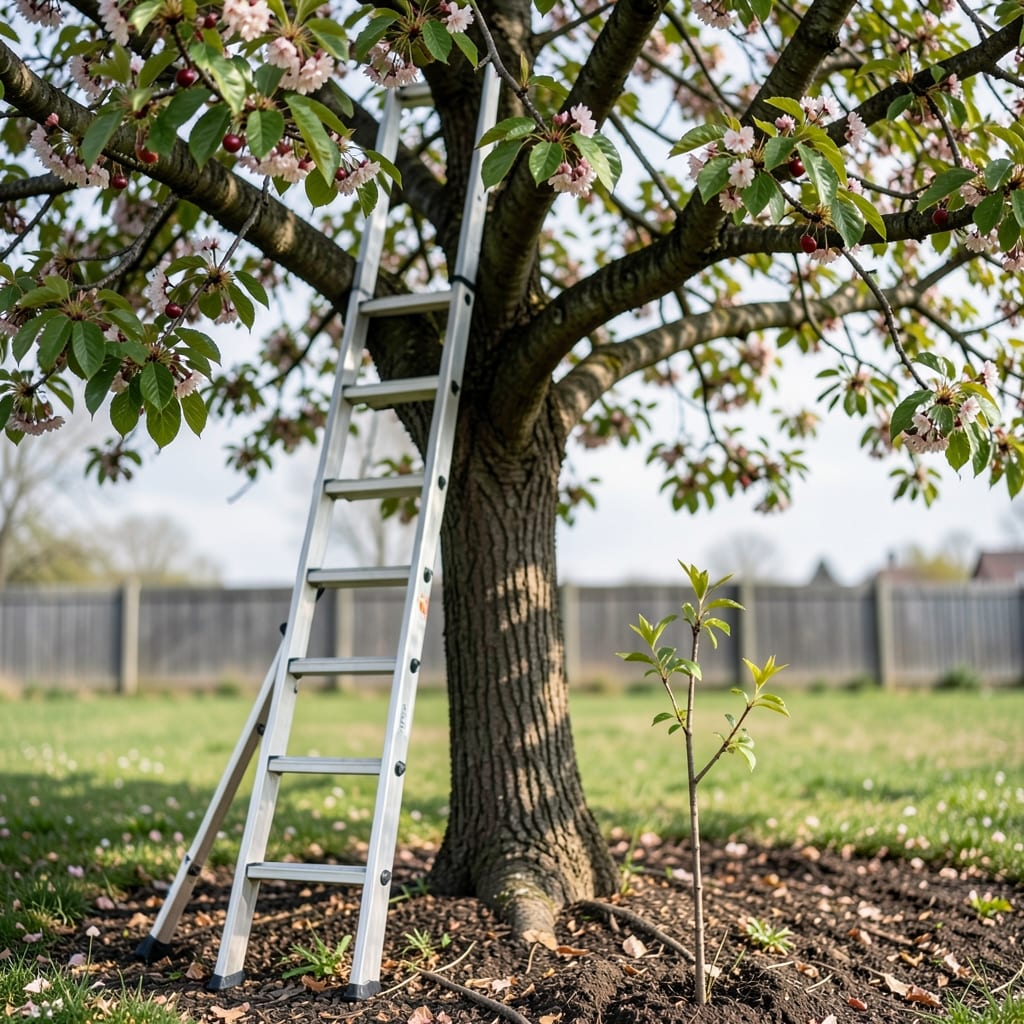
If you're dreaming of a 🍒 cherry tree in your backyard, you might be surprised to learn how tall a cherry tree can grow—it could completely transform your garden plans! Some varieties stay compact enough for small spaces, while others grow tall enough to shade your entire yard—and even your house!
The key to choosing the right cherry tree lies in understanding its potential height, which can range from just 8 feet for dwarf varieties to towering 40 feet for standard types. Whether you're after sweet, juicy cherries or just love the ornamental beauty, knowing these differences helps you pick the perfect fit for your space and climate.
But height isn't the only factor—soil quality, pruning habits, and even your USDA zone play a huge role in how big your cherry tree will grow. I’ll break down the best varieties for different spaces and share expert tips to manage growth, so you can enjoy your cherry tree without it taking over your yard.
Ready to find the perfect cherry tree for your garden? Let’s dive into the details so you can make an informed choice that works for your outdoor space.


Cherry tree height ranges: from dwarf to monumental varieties
When planning your garden, knowing how tall a cherry tree can grow is essential for proper spacing and long-term care. Cherry trees come in stunning varieties with vastly different mature heights—from compact dwarf varieties perfect for small backyards to monumental trees that can reach skyscraper proportions. The height of your cherry tree directly impacts everything from fruit harvesting to pruning frequency.
Most cherry trees fall into four main height categories: dwarf, semi-dwarf, standard, and monumental. Each category offers unique benefits depending on your space and gardening goals. For example, a dwarf sweet cherry might only reach 8-12 feet, while a standard sour cherry can soar to 30-40 feet—taller than most two-story houses!
| Type | Mature Height | Growth Rate | Space Needs | Best For |
|---|---|---|---|---|
| Dwarf | 8-12 ft | Slow to moderate | Small yards, containers | Urban gardens, patios |
| Semi-Dwarf | 12-18 ft | Moderate | Medium-sized yards | Backyard orchards |
| Standard | 20-30 ft | Fast | Large properties | Traditional orchards |
| Monumental | 30-40+ ft | Very fast | Acreage, parks | Specimen trees |
If you're working with limited space, dwarf cherry trees are ideal because they mature quickly but stay manageable. These varieties often use dwarfing rootstock, which restricts their growth while maintaining fruit production. For example, the 'Stella' sweet cherry typically reaches just 8 feet at maturity, making it perfect for container growing or small urban gardens.
On the other end of the spectrum, standard and monumental cherry trees require significant space and professional pruning. These trees are often used in commercial orchards or as landscape specimen trees. A standard sour cherry, like the 'Montmorency' variety, can grow 30-40 feet tall, producing abundant fruit but needing ample room to thrive without crowding other plants.
Understanding these height ranges helps you choose the right variety for your garden. For instance, if you want to grow cherries in a small backyard, a semi-dwarf variety like 'Lapins' (12-15 feet) offers a balance between manageable size and fruit production. Meanwhile, larger properties can accommodate standard varieties for a more traditional orchard feel.
Another key consideration is the growth rate of each variety. Dwarf trees grow more slowly, allowing for easier management, while standard trees can add 3-5 feet per year in ideal conditions. This rapid growth means they'll quickly outgrow small spaces, so planning ahead is crucial for long-term success.
Whether you're dreaming of a cherry tree in your front yard or planning a backyard orchard, selecting the right height range ensures your tree thrives without overwhelming your space. Next, we'll explore the factors that influence cherry tree height, including pruning, soil, and climate, to help you make the best choice for your garden.
Factors that influence how tall your cherry tree will grow
Did you know the height of your cherry tree isn't just determined by its variety? Several factors—some within your control, others not—play a crucial role in how tall your tree will grow. Understanding these influences helps you manage growth effectively, whether you want a compact tree for your patio or a towering specimen for your landscape.
One of the most significant factors is the rootstock used when planting. Dwarfing rootstock, like 'Gisela 5' or 'Gisela 6', restricts height by limiting nutrient and water uptake, keeping trees under 12 feet. In contrast, standard rootstock allows trees to reach their full genetic potential, often 20-40 feet. Choosing the right rootstock is the first step in controlling your tree's height.
🌱 Key Factors Affecting Cherry Tree Height
- Rootstock Type: Dwarfing rootstock keeps trees small (8-12 ft), while standard rootstock allows full growth (20-40 ft).
- Pruning Practices: Regular pruning can reduce height by 30-50% if done correctly, especially in early years.
- Soil Quality: Nutrient-rich, well-draining soil promotes faster growth, while poor soil slows it down.
- Climate & Sunlight: Full sun and warm climates (USDA zones 5-8) encourage rapid growth, while cooler zones may stunt growth.
- Watering: Overwatering can lead to weak, leggy growth, while consistent deep watering supports healthy structure.
Pruning is another powerful tool for controlling height. If you prune your cherry tree annually in late winter or early spring, you can shape its growth and prevent it from becoming too tall. For example, removing 1/3 of the canopy each year can keep a standard cherry tree at a manageable 15-20 feet instead of letting it reach 30+ feet. Just be sure to prune at the right time—pruning too late in the season can stimulate late-season growth, which is vulnerable to frost damage.
Soil conditions also play a surprising role in height. Cherry trees thrive in well-draining, slightly acidic soil (pH 6.0-6.5). If your soil is compacted or lacks nutrients, your tree may grow slower or develop weak branches. Amending the soil with compost or organic matter before planting can give your tree the best start, ensuring it grows at an optimal rate. Additionally, mulching around the base helps retain moisture and nutrients, supporting steady growth.
Climate is another critical factor. Cherry trees grow fastest in USDA zones 5-8, where they receive plenty of sunlight and warmth. In cooler climates (like zone 4 or below), growth may be slower, and trees might stay shorter. If you live in a warmer zone (like 9 or 10), your cherry tree could grow faster and taller than expected. Always check your local climate conditions to set realistic expectations for your tree's height.
Finally, watering habits can influence how tall your cherry tree grows. While cherries are drought-tolerant once established, consistent deep watering during the first 2-3 years helps develop a strong root system. Overwatering, however, can lead to root rot and weak, leggy growth, which may cause the tree to grow taller and less sturdy. Aim for 1-2 inches of water per week, adjusting for rainfall in your area.
By understanding and managing these factors, you can guide your cherry tree's growth to fit your space perfectly. Whether you're growing a dwarf variety in a container or a standard tree in your backyard, these tips will help you achieve the ideal height for your garden. Next, we'll explore the best cherry tree varieties for small vs. large spaces, so you can pick the perfect match for your needs.