
How To
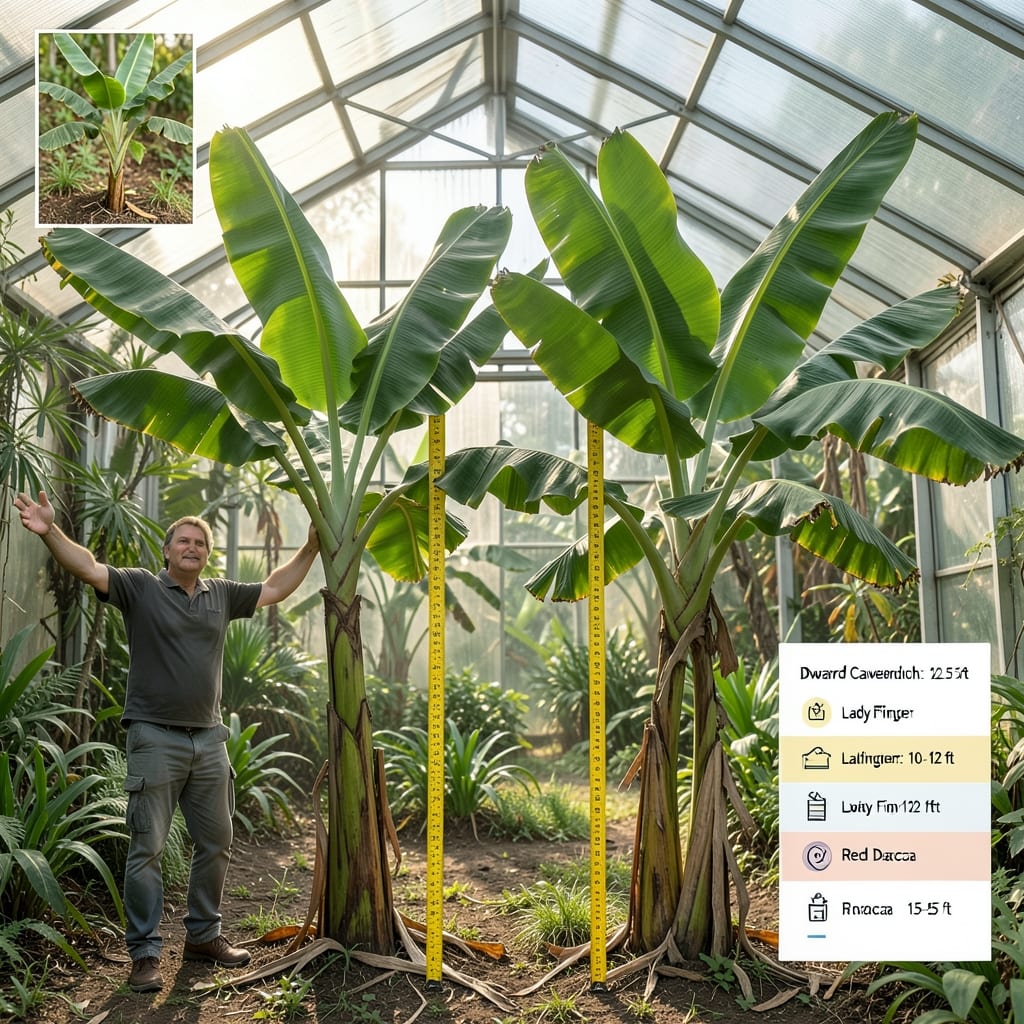
If you're dreaming of a backyard full of fresh bananas, you might be wondering just how tall can a banana tree grow—because let’s be honest, a 30-foot giant isn’t exactly backyard-friendly. The truth is, banana trees come in all sizes, from compact dwarf varieties perfect for containers to towering tropical giants that need space to stretch their leaves toward the sky.
For most home gardeners, the dwarf Cavendish is the star of the show, reaching a manageable 10-12 feet—ideal for small yards or even large pots. But if you’re in a true tropical paradise (think USDA zones 10-12), you could be growing a Gros Michel, which can shoot up to 25 feet or more. The difference isn’t just about height; it’s about climate, care, and the kind of bananas you’ll harvest.
Here’s the good news: with the right variety and a few simple tricks—like pruning or choosing container-friendly types—you can grow bananas without sacrificing your lawn. Whether you’re in a warm coastal area or a cooler microclimate, I’ll show you how to pick the perfect size for your space and keep it thriving.
Ready to turn your banana dreams into reality? Let’s break down the heights, the best varieties for your setup, and how to keep your 🍌 happy—no matter how big (or small) you want it to grow.


Banana tree height by variety: from dwarf to giant (exact measurements)
Banana trees aren’t one-size-fits-all—some stay compact enough for a container on your patio, while others reach the height of a two-story house. The variety you choose determines not just how tall your banana tree will grow, but also how many bananas you’ll harvest and how much care it’ll need. For home gardeners, the Dwarf Cavendish is the gold standard, topping out at 10-12 feet, making it perfect for small spaces.
But if you’re in a true tropical climate (like Hawaii or Southern Florida), you might grow a Gros Michel or Red Dacca, which can soar to 25-30 feet. Even the Lady Finger variety, often called a semi-dwarf, still hits 12-18 feet, so don’t underestimate its space needs. The key difference? Genetics and growing conditions—not just luck.
Here’s the game-changer: most banana trees grow 3-5 feet in their first year, then 8-12 feet in year two, and finally reach maturity by year three. That means if you’re impatient, you’ll have to wait—unless you choose a fast-maturing dwarf variety, which can produce fruit in as little as 9-12 months. Patience pays off, though, because a well-cared-for banana tree can live for decades and keep producing fruit.
🌱
| Variety | Mature Height | Growth Rate | Best For |
|---|---|---|---|
| Dwarf Cavendish | 10-12 ft | 3-4 ft/year | Containers, small yards |
| Lady Finger | 12-18 ft | 4-6 ft/year | Medium yards, tropical climates |
| Gros Michel | 20-25 ft | 5-8 ft/year | Large properties, farms |
| Red Dacca | 25-30 ft | 6-10 ft/year | Tropical climates, ornamental |
| Ice Cream Banana | 12-15 ft | 4-5 ft/year | Sweet fruit, containers |
If you’re growing bananas for fruit production, the Dwarf Cavendish is the easiest choice—it’s the most widely grown commercial variety and adapts well to containers or in-ground planting. But if you’re after ornamental value, the Red Dacca with its striking red fruit and massive height makes a statement. Just be prepared for the space and maintenance that comes with it.
One common mistake I see is assuming all banana trees grow the same height. A Dwarf Cavendish in a 15-gallon pot will stay shorter than one planted in the ground, while a Gros Michel will always outgrow your expectations unless you prune aggressively. The soil quality and sunlight also play a huge role—poor soil or shade can stunt growth, while rich, well-draining soil and full sun will encourage that tropical growth spurt.
For those in cooler climates, even dwarf varieties may struggle to reach their full height if temperatures dip below 50°F. That’s why I always recommend checking your USDA hardiness zone before picking a variety. A Dwarf Cavendish in Zone 10 will thrive, but the same plant in Zone 8 might only grow to 6-8 feet unless you take extra precautions like mulching or winter protection.
🌿
Pro tip: If you’re limited on space, look for ‘Bitter’ or ‘Sweet’ dwarf hybrids, which are bred specifically to stay under 10 feet while still producing high-quality fruit. These are often sold as ‘Dwarf Brazilian’ or ‘Dwarf Red’ varieties. They’re perfect for balconies, patios, or even large indoor grow rooms with sufficient light.
Remember, the height of your banana tree isn’t just about the variety—it’s also about how you care for it. Overwatering or underwatering can stunt growth, and poor pruning habits can lead to weak, leggy stems. In the next section, I’ll show you how to control height naturally, even if you’re working with a fast-growing variety like the
Climate zones and how they affect banana tree growth height
Your banana tree’s height isn’t just about genetics—it’s heavily influenced by your climate zone. In USDA zones 10-12, where frost is rare, banana trees can reach their full tropical potential, often 20-30 feet tall. But if you’re in zones 8-9, like parts of Florida or coastal California, your tree might max out at 12-15 feet due to cooler winters.
The key factor is temperature tolerance. Most banana varieties cannot survive below 28°F (-2°C). Even brief dips into the 30s°F can stunt growth or kill the plant, forcing it to focus energy on survival rather than height. In colder microclimates, trees may enter dormancy, slowing growth dramatically.
Here’s how your climate impacts height:
In zone 10, like Hawaii or southern Florida, banana trees grow 30% faster than in zone 9 due to year-round warmth. The Dwarf Cavendish, for example, can hit 12 feet in just 2 years in ideal conditions, while the same plant in zone 9 might take 3-4 years to reach half that height.
If you’re in a cooler microclimate (like inland California), opt for cold-hardy varieties like ‘Ice Cream’ banana or ‘Red Dacca’, which tolerate brief cold snaps better than tropical types. Even then, mulching heavily and using windbreaks can help protect your tree and encourage taller growth.
Don’t let your zone limit your dreams! With the right variety and care, you can grow bananas even in zone 8, though expect them to stay shorter and bushier. The secret? Container gardening lets you move potted trees indoors during winter, preserving their height potential for the next growing season.