
Trees
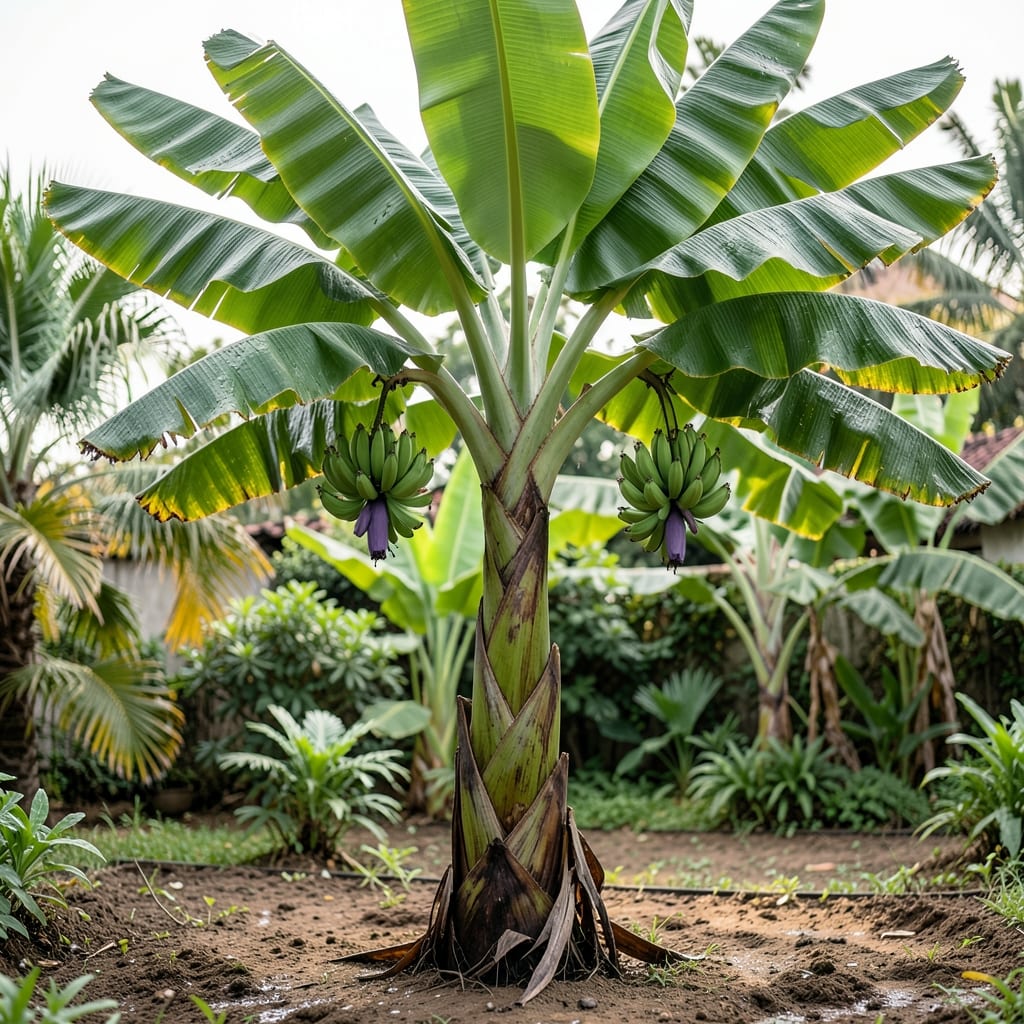
If you’ve ever imagined how tall a banana tree can grow stretching skyward in your backyard, you’re not alone—but here’s the surprise: some varieties reach heights taller than a two-story house! The height of a banana tree isn’t just about space; it’s about the right variety, care, and even your climate zone.
From the compact Dwarf Cavendish (perfect for containers) to the towering Gros Michel (reaching 30 feet or more), understanding these differences is the key to planning your tropical oasis. Whether you’re a space-challenged urban gardener or a suburban plot owner, knowing how tall your banana tree could grow—and how to control it—will change your approach.
I’ve seen firsthand how a single misstep in care can turn a 10-foot promise into a 20-foot reality (or vice versa). The good news? With the right tips, you can guide your banana tree’s growth—whether you want it to stay petite or reach for the sky. Let’s break down the science behind their heights and how to work with nature, not against it.
Ready to transform your garden with a banana tree that fits your vision? You’ll discover which varieties thrive in USDA Zones 10-12, how long it takes to reach maturity, and even how to prune for control. Let’s get growing!


Banana tree height by variety: from dwarf to giant species
Banana trees are famous for their dramatic heights, but not all varieties reach for the sky. The Dwarf Cavendish, for example, stays between 10-15 feet—ideal for containers or small yards—while the Gros Michel can soar 25-30 feet or taller. These differences aren’t just about aesthetics; they impact your garden layout, pruning needs, and even fruit production. Choosing the right variety means balancing your space with your goals, whether that’s a quick harvest or a tropical statement piece.
Most banana trees fall into three height categories: dwarf (under 12 feet), semi-dwarf (12-18 feet), and standard (20+ feet). The Lady Finger variety, for instance, maxes out around 12 feet, making it perfect for urban balconies, while the Red Dacca can exceed 25 feet in ideal conditions. Even within the same variety, height can vary based on climate, soil quality, and care—so don’t be surprised if your neighbor’s Dwarf Cavendish outgrows yours!
Here’s the key: height isn’t the only factor. Some compact varieties produce smaller but more frequent bunches of fruit, while taller trees yield larger, fewer bunches over a longer season. If you’re growing bananas for home consumption, a semi-dwarf variety might strike the perfect balance between manageable size and productivity.
🌱
The Dwarf Cavendish is my top recommendation for beginners because it’s forgiving, fast-growing, and compact. I’ve seen it thrive in 15-gallon containers on patios, producing edible fruit in as little as 9 months. Meanwhile, the Gros Michel is a showstopper but requires dedicated space and care—think of it as a tropical statement tree rather than a practical backyard addition. If you’re torn between varieties, consider your local climate: Bluggoe, for example, handles cooler temperatures better than most, making it a great choice for USDA Zone 9 gardens.
Pro tip: Check the pseudostem (the “trunk” made of leaf sheaths) for clues about your tree’s maturity. A thick, sturdy pseudostem usually means your banana tree is healthy and ready for flowering. If you’re growing in containers, rotate the pot every few weeks to ensure even sunlight exposure, which prevents lopsided growth and weakens the pseudostem.
One common misconception is that all banana trees need massive yards. While it’s true that standard varieties can reach
How long does it take for a banana tree to reach full height?
If you’ve planted a banana tree and are eagerly watching it grow, you’re probably wondering: how long until it reaches its full height? The answer depends on the variety, growing conditions, and a bit of patience—because banana trees don’t rush. On average, it takes 2-5 years for a banana tree to reach maturity, but some dwarf varieties can produce fruit in as little as 9-12 months. For the towering Gros Michel or Lady Finger varieties, you might be waiting closer to 4-5 years before seeing that dramatic 20-30 foot stature.
The first year is all about establishing roots and early growth. Your young banana tree will likely only reach 3-5 feet in its first year, looking more like a large herb than a towering tree. But don’t let its modest start fool you—banana trees grow rapidly once they mature, often shooting up 5-10 feet per year after their third year. This is when you’ll notice the real transformation, with thick trunks and broad leaves stretching toward the sky.
🌱
Banana Tree Growth Timeline
- Year 1: 3-5 ft tall, focuses on root and leaf growth
- Year 2: 8-12 ft tall, trunk thickens, first flowering possible
- Year 3: 15-20 ft tall, rapid vertical growth begins
- Years 4-5: 20-30 ft tall, full maturity, heavy fruiting
Climate plays a huge role in this timeline. Banana trees thrive in USDA Zones 10-12, where they enjoy year-round warmth and no frost. In cooler climates, growth slows dramatically, and trees may never reach their full potential height. Even in ideal conditions, temperature swings or drought stress can stunt growth, so consistent care is key. I’ve seen banana trees in Florida hit 25 feet in just 3 years, while those in Southern California might take an extra year due to summer dry spells.
Another factor is whether your tree is flowering and fruiting. Once a banana tree produces its first bunch of fruit, it diverts energy away from vertical growth. This is why some trees seem to "stop growing" after their first harvest—they’re focusing on reproduction instead. If you’re growing bananas for fruit, this shift is natural, but if you want maximum height, you might need to remove flower stalks (though this reduces fruit production).
Light is the final piece of the puzzle. Banana trees need 6+ hours of full sun daily to grow at their fastest rate. In shadier conditions, growth slows, and the tree may become leggy or weak. I’ve noticed that trees in containers also grow more slowly because their root systems are restricted. If you’re growing in a pot, choose a dwarf variety or plan for a larger container (at least 2 feet in diameter) to accommodate future growth.
So, if you’re dreaming of a banana tree that stretches toward your roofline, be patient—it’s a marathon, not a sprint. With the right care, you’ll see those dramatic height gains in no time, and before you know it, you’ll have a tropical giant right in your backyard. Just remember: the taller the tree, the more support and pruning it’ll need to stay healthy! 🌿