
Trees
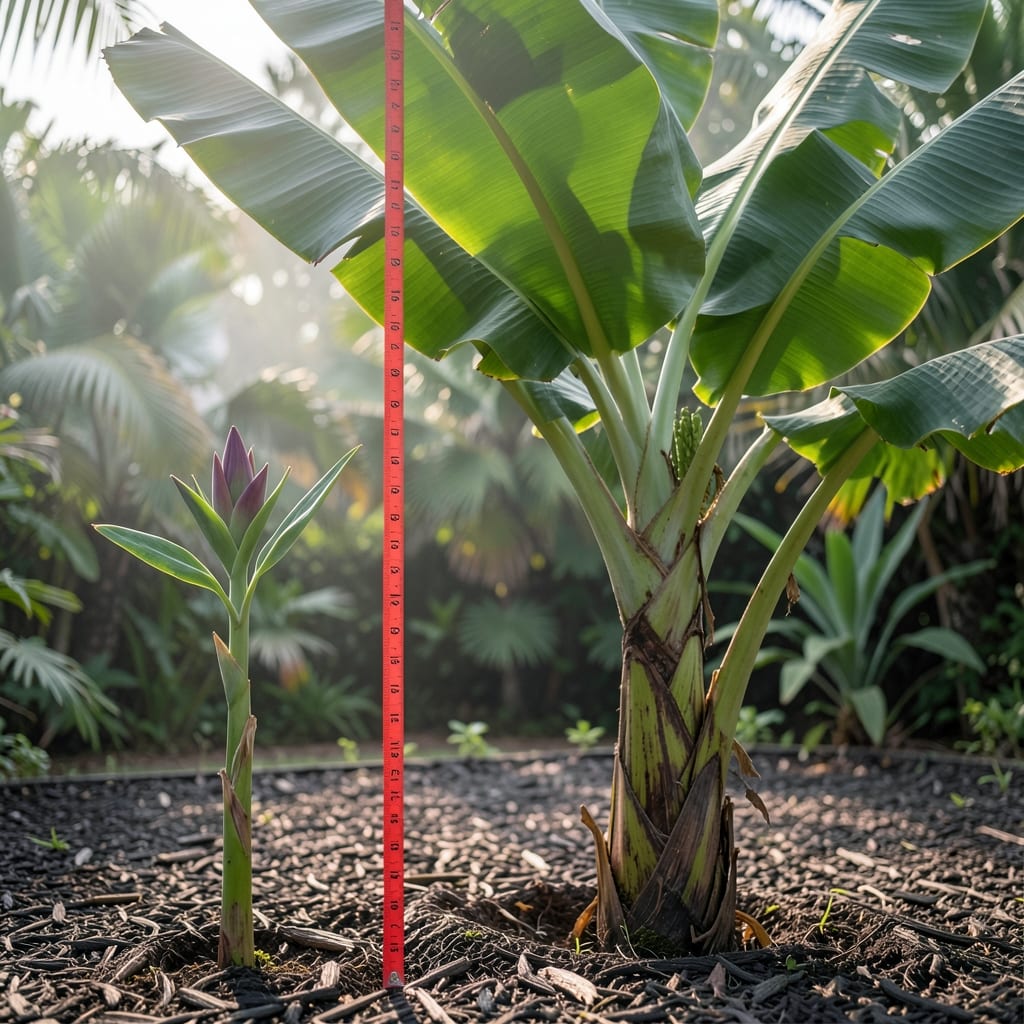
If you’ve ever wondered how tall banana trees can grow, the answer might surprise you—some varieties stretch skyward like towering sentinels, while others stay cozy and compact. The truth is, these tropical giants can range from under 10 feet to a staggering 30 feet or more, depending on the variety and growing conditions. Whether you’re dreaming of a lush backyard jungle or a manageable container plant, understanding their growth potential is key to choosing the right type for your space.
Not all banana trees are created equal. Dwarf varieties like the Lady Finger stay compact, perfect for patios or small gardens, while standard types like Gros Michel can stretch taller than a two-story building. The difference comes down to genetics, climate, and care—so if you’re wondering how tall your banana tree might grow, the variety you pick makes all the difference.
But here’s the catch: even the tallest banana trees can be managed with the right techniques. From pruning to container growing, there are ways to keep them in check without sacrificing those sweet, tropical fruits. Let’s break down the heights, the factors that influence growth, and how to make sure your banana tree thrives—no matter how big (or small) you want it to be.
Whether you’re a first-time grower or a seasoned gardener, knowing how to control your banana tree’s height can save you headaches—and maybe even your fence. I’ll share the secrets to keeping these tropical beauties happy, healthy, and the perfect size for your space. Ready to find out how tall your banana tree can really grow?

Banana tree height by variety: dwarf to giant species explained
Banana trees come in a stunning range of sizes, from dwarf varieties that fit snugly in pots to giant tropical giants that dwarf your backyard. The height of your banana tree depends almost entirely on the variety you choose, with some reaching heights of 30 feet or more while others max out at just 8 feet. Understanding these differences helps you pick the perfect plant for your space—whether you’re dreaming of a jungle-like patio or a manageable container specimen.
Most banana trees belong to the Musa genus, and their mature height is largely determined by genetics. Dwarf varieties like the Dwarf Cavendish stay compact, making them ideal for urban gardens or balconies, while standard varieties like the Gros Michel can grow as tall as a three-story building. Even within the same species, height can vary based on growing conditions, so let’s break down the most popular types and their typical mature sizes.
🍌 Dwarf varieties (under 10 feet) are perfect for small spaces. The Lady Finger banana, for example, tops out around 8-12 feet and produces delicious, finger-sized fruit. These varieties are often self-pollinating, meaning they don’t require a second plant for fruiting, which makes them even more convenient for home gardeners. Their compact size also means they’re easier to protect from winter frosts if you live in a cooler climate.
| Variety | Mature Height | Best For | Notes |
|---|---|---|---|
| Dwarf Cavendish | 8-12 ft | Containers, small gardens | Self-pollinating, easy to grow |
| Lady Finger | 10-15 ft | Patios, urban gardens | Sweet fruit, moderate height |
| Red Dacca | 12-18 ft | Tropical climates, large gardens | Red fruit, needs space |
| Gros Michel | 20-30 ft | Large properties, tropical zones | Classic banana, needs full sun |
| Blue Java | 15-25 ft | Warm climates, large containers | Hardy, disease-resistant |
If you’re growing banana trees in containers, expect them to stay shorter than their in-ground counterparts. A Dwarf Cavendish in a large pot might only reach 6-8 feet, while the same variety planted in the ground could grow to 10-12 feet. Container growing also slows root spread, which can help manage height over time. However, even dwarf varieties can outgrow their pots quickly, so choose containers with drainage holes and at least 18-24 inches in diameter for mature plants.
🌿 Semi-dwarf varieties like the Lady Finger strike a balance, making them a favorite for gardeners with limited space but who still want a tropical statement plant. These varieties typically reach 12-18 feet at maturity, which is tall enough to create shade but manageable enough for most backyards. They’re also faster to fruit than giant varieties, often producing harvests within 12-18 months of planting, compared to 2-3 years for larger types.
On the other end of the spectrum, giant banana varieties like the Gros Michel or Red Dacca can grow 20-30 feet tall, making them more suited for large properties or tropical climates. These varieties require ample space, rich soil, and consistent moisture to reach their full potential. If you’re considering a giant variety, think about wind resistance—tall banana trees can be top-heavy and may need staking or support in windy areas to prevent damage.
One common misconception is that all banana trees grow to monstrous heights. In reality, their size is largely genetically predetermined, but factors like pruning, container size, and nutrient availability can influence how tall they ultimately become. For example, regular pruning of suckers (the offshoots at the base) can redirect energy toward fruit production rather than vertical growth, keeping your tree more manageable.
If you’re growing banana trees in cooler climates, dwarf or semi-dwarf varieties are your best bet. These types are more frost-tolerant and can often be overwintered indoors or in protected microclimates
How banana tree growth height affects your garden space
Choosing a banana tree variety isn’t just about fruit size—it’s about space planning. A Dwarf Cavendish might fit perfectly on your patio, while a Gros Michel could dwarf your backyard. The root spread of banana trees is just as critical as their height, often reaching 10-15 feet wide for mature plants. This means even compact varieties need room to sprawl, so measure your space before planting.
If you’re growing banana trees in containers, height becomes even more manageable. Most dwarf varieties top out at 8-12 feet in pots, making them ideal for balconies or patios. However, containers limit root growth, so opt for large, sturdy pots (20+ gallons) with drainage holes to prevent waterlogging. Without proper container size, even dwarf varieties may grow leggy and unstable.
For outdoor gardens, consider your climate zone. In USDA Zones 10-12, banana trees thrive year-round, but in colder zones, even dwarf varieties may need winter protection. Tall varieties like Red Dacca (up to 30 feet) are stunning but require windbreaks and sturdy support to avoid toppling. If your garden is small or windy, semi-dwarf varieties like Lady Finger (12-18 feet) strike a balance between manageable size and tropical drama.
🌱Pro Tip: If you’re torn between varieties, start with a semi-dwarf like Williams Hybrid (15-20 feet). It offers a middle ground for height, fruit productivity, and adaptability to different spaces.
🌿 Key Takeaways for Space Planning
- Dwarf varieties: 8-12 ft (ideal for containers)
- Semi-dwarf: 12-18 ft (best for small yards)
- Standard/giant: 20-30 ft (needs wide open space)
- Root spread: Always double the height—plan accordingly!
- Wind risk: Tall varieties need stakes or trellises in breezy areas.
Another critical factor is harvest accessibility. Tall banana trees produce fruit high off the ground, which can be tricky to reach without a ladder. If you’re growing for convenience, dwarf or semi-dwarf varieties let you pick fruit at eye level. Plus, their lower height makes them easier to prune and maintain, reducing the need for heavy-duty ladders or tools.
For urban gardeners, vertical gardening is a game-changer. Train banana trees along trellises or fences to save horizontal space while still enjoying their tropical beauty. This works best with flexible varieties like Red Dacca, which can be guided upward. Just ensure the support structure is buried deep to anchor the tree as it grows heavier with fruit.
Lastly, don’t forget about neighborly considerations. A 30-foot banana tree might block sunlight for nearby plants—or your neighbor’s yard! Check local HOA rules or property lines before planting tall varieties. When in doubt, start small with a dwarf variety and upgrade later if your space allows.