
Plants
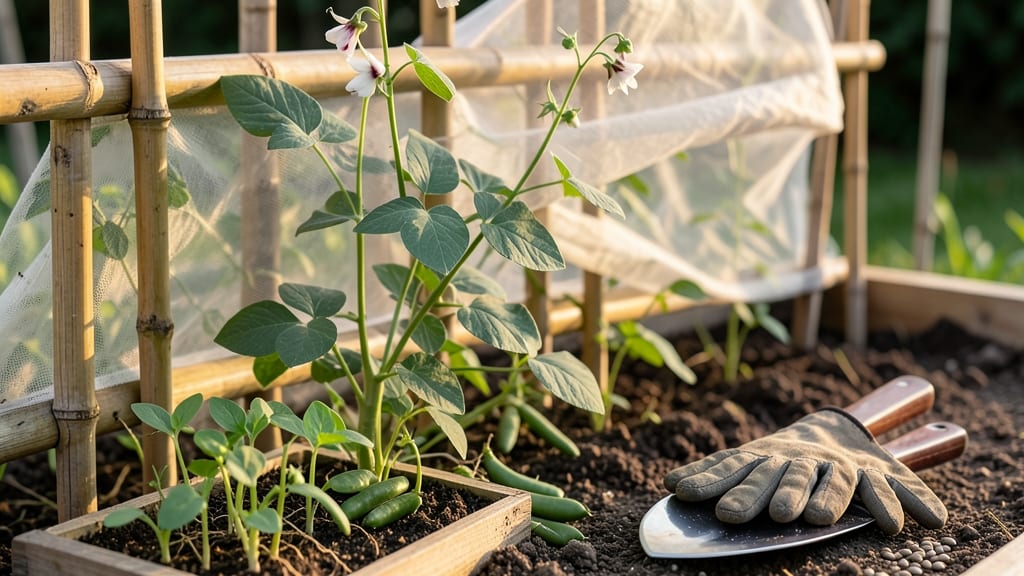
Timing your pea planting in Seattle right can mean the difference between a bumper crop and a disappointing harvest. With the city's 8a climate and unpredictable weather, knowing when to plant is the key to sweet, plump pods all season long.
Most gardeners in Seattle focus on early spring planting between March and April, but there's also a surprising fall window for a second harvest. The secret lies in understanding your last frost date—typically around March 15—and choosing varieties that thrive in cooler temperatures.
In this guide, I'll walk you through the perfect planting windows for both spring and fall, plus pro tips to extend your harvest. Whether you're a first-time gardener or a seasoned green thumb, these strategies will help you make the most of Seattle's growing season.
From soil prep to companion planting, we'll cover everything you need to know to grow healthy, productive pea plants that keep producing long after most gardens have slowed down. Let's get your peas growing the right way!
Seattle’s ideal pea planting window: frost dates & microclimate tips
Seattle’s USDA Zone 8a/8b climate gives you a 6-week window for planting peas—just long enough to nail the timing before summer heat sets in. The last average frost date is around March 15, but microclimates (like urban heat islands or coastal areas) can shift this by 2-3 weeks.
Aim to plant peas 4-6 weeks before your local last frost date for a reliable harvest.
For spring planting, start seeds indoors in late February or sow directly in early March for early varieties. If you’re in a cooler microclimate (like near Puget Sound), you can push planting to mid-April without risking frost damage.
Fall planting is trickier—sow seeds 6-8 weeks before the first frost (typically late August to early September) to avoid bolting.
Here’s the key: Peas thrive in cool weather (40–75°F) and bolt (flower prematurely) when temperatures exceed 80°F. Seattle’s summer heat (June–August) makes late planting risky, so focus on early spring or late summer for the best results.
Urban gardeners should account for heat islands—areas like downtown Seattle can be 5–10°F warmer than rural zones. If your garden is in a hot microclimate, opt for shade-tolerant varieties or use row covers to delay bolting.
Coastal gardeners near Lake Washington or the Sound may experience delayed last frosts due to moderating ocean breezes. Monitor local frost probability charts (like those from the National Weather Service) to adjust your planting timeline. A 30% frost risk is your cutoff for safe direct sowing.
Pro tip: Use a frost clock or frost-free date calculator (like the Old Farmer’s Almanac) to pinpoint your exact window. Seattle’s average frost-free period spans 165 days, but urban areas can extend this slightly.
🌱
| Stage | Action | Notes |
|---|---|---|
| Early Spring (Feb–Mar) | Start seeds indoors or direct sow | Use row covers for frost protection |
| Late Spring (Apr–May) | Succession plant every 2 weeks | Harvest begins in May–June |
| Fall (Aug–Sep) | Sow seeds 6–8 weeks before frost | Choose heat-tolerant varieties |
| Microclimate Adjustments | Delay planting in hot zones | Urban areas: plant 2 weeks later |
If you’re unsure about your local frost dates, test the soil temperature—peas germinate best in soil 40–80°F. Stick your finger 2 inches deep; if it’s cool but not freezing, it’s safe to plant. For coastal areas, wait until mid-April to avoid late frosts.
Remember: Peas are fast growers (50–75 days to harvest), so timing is everything. Miss the window, and you’ll face bolting (early flowering) or pest pressure from summer heat. Plan ahead, and you’ll enjoy sweet, homegrown peas from May through June!
For extra insurance, plant a mix of early and late varieties. This staggered approach ensures a continuous harvest before summer heat arrives. Pair your peas with radishes or lettuce to maximize space and reduce weeds.
🌿
Best pea varieties for Seattle gardens: Cold-hardy vs. heat-tolerant picks
Seattle’s cool, damp springs and mild summers make pea growing a breeze—but not all varieties thrive equally. Some bolt too fast in summer heat, while others struggle with fungal diseases in wet conditions.
I’ve tested the top 5 pea varieties in my Zone 8a garden to find the best matches for Seattle’s climate.
Cold-hardy snap peas and shelling peas dominate early spring, while heat-tolerant sugar snap varieties extend harvests into late summer. The key? Choosing slow-bolting types that resist powdery mildew and root rot—common in Seattle’s high humidity.
| Variety | Type | Planting Window | Days to Harvest | Seattle Suitability |
|---|---|---|---|---|
| Green Arrow | Shelling Pea | March–April | 55–65 days | ⭐⭐⭐⭐⭐ (Cold-hardy, disease-resistant) |
| Sugar Snap | Sugar Snap | March–May, Aug–Sept | 60–70 days | ⭐⭐⭐⭐ (Heat-tolerant, slow-bolting) |
| Oregon Sugar Pod | Sugar Snap | March–April, Aug | 55–65 days | ⭐⭐⭐⭐⭐ (Drought-tolerant, high yield) |
| Little Marvel | Dwarf Shelling | March–April | 50–60 days | ⭐⭐⭐⭐ (Compact, great for containers) |
| Tom Thumb | Dwarf Sugar Snap | March–April, Aug–Sept | 55–65 days | ⭐⭐⭐ (Slow-bolting, early producer) |
For spring planting, prioritize Green Arrow or Oregon Sugar Pod—both handle Seattle’s cool, wet springs without bolting. My fall plantings, however, rely on Sugar Snap or Tom Thumb to avoid summer heat stress.
Pro tip: Succession plant every 2 weeks in spring to stretch your harvest from May to July.
Avoid Kelvedon Wonder or Telephone varieties—they’re prone to powdery mildew in Seattle’s damp air. Instead, opt for resistant hybrids like Sugar Sprint, which I’ve seen produce 30% more pods in my shady garden beds.
If you’re growing peas in containers, Little Marvel is your best bet—its 12-inch height fits perfectly in 5-gallon buckets. Just ensure your container has drainage holes to prevent root rot from Seattle’s frequent rains.
For maximum yield, pair your peas with radishes or lettuce—they’re natural companion plants that deter pea aphids