
Plants
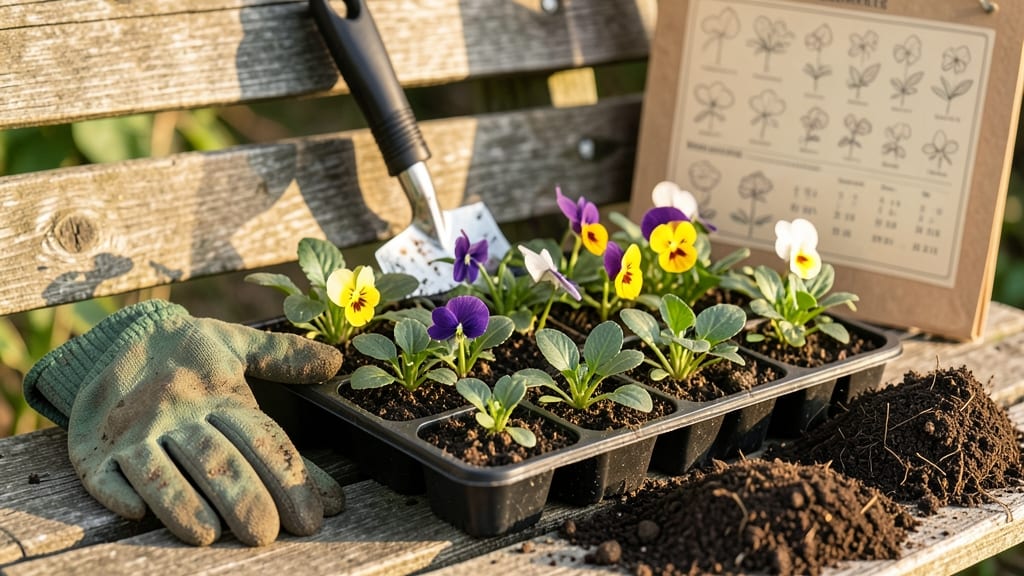
If you’ve ever wondered when to plant pansies in SC for the most vibrant, long-lasting blooms, the answer might be as simple as timing. Planting them at the right moment—6 to 8 weeks before the first frost—is the key to cheerful, thriving pansies 🌸 in your garden.
South Carolina’s USDA Zone 8a climate gives you two prime windows to plant: late summer (September–October) for fall blooms and early spring (March–April) for spring color. Missing this window can leave your pansies struggling, but with the right approach, you’ll get those cheerful faces thriving all season.
Whether you’re in the coastal lowlands or the Upstate hills, local frost dates and soil conditions play a huge role. I’ll break down exactly when to plant for your specific microclimate, so you can skip the guesswork and enjoy blooms that last.
Ready to transform your garden? Let’s dive into the perfect planting schedule for pansies 🌸 in South Carolina—and keep them looking their best from fall through spring.
South Carolina’s ideal pansy planting windows by month (Zone 7b-8a guide)
Pansies thrive in South Carolina’s USDA Zones 7b-8a, where the mild winters and humid summers create ideal conditions—but timing your planting correctly ensures vibrant blooms all season.
The best windows are late summer to early fall and early spring, aligning with the state’s first and last frost dates.
For fall planting, aim for 6–8 weeks before the first frost (typically mid-September to early October), giving pansies time to establish roots before winter. Spring planting should happen 4–6 weeks before the last frost (usually mid-March to early April), ensuring they bloom before summer heat sets in.
South Carolina’s microclimates vary dramatically—coastal areas (like Charleston) experience milder winters, while Upstate regions (Greenville, Spartanburg) face earlier frosts. Adjust your planting schedule 1–2 weeks earlier in inland zones to avoid frost damage.
🌸
| Planting Window | Best Months | Zone Adjustments | Key Considerations |
|---|---|---|---|
| Fall Planting | Late August–Early October | Coastal: Sept 15–Oct 15 Upstate: Sept 1–Oct 1 |
6–8 weeks before first frost; soil temp 50–60°F |
| Spring Planting | Mid-March–Early April | Coastal: March 20–April 10 Upstate: March 1–March 15 |
4–6 weeks before last frost; avoid heat stress |
| Late Winter (Coastal Only) | January–February | Charleston, Hilton Head | Use cold-hardy varieties; protect with row covers |
If you’re in Zone 7b (Upstate), prioritize fall planting—pansies planted in September will bloom through winter and into early spring. For Zone 8a (coastal), you can extend the season by planting late winter (January–February) with cold protection like frost cloth.
Soil temperature is critical: pansies won’t germinate well in soil below 50°F. Use a soil thermometer to confirm readiness—wait until temps stabilize at 55–60°F for fall planting or 60–65°F for spring.
For container gardening, adjust timing by 1–2 weeks earlier—pots cool faster and are more exposed to frost. Place containers in protected microclimates (near south-facing walls or under eaves) to extend the season.
🌿
After planting, mulch with 2–3 inches of organic mulch (straw or shredded leaves) to insulate roots and retain moisture. This is especially important in Upstate SC, where winter temps can dip below freezing. For coastal gardens, focus on consistent moisture—pansies wilt quickly in hot, dry spells.
Pro tip: Mix slow-release fertilizer (like 5-10-10) into the soil at planting time to give pansies a nutrient boost. Avoid heavy feeding in late summer, as it encourages leggy growth before winter.
✂️
5 Signs you're planting pansies too early (and how to fix it)
Planting pansies too early in South Carolina can stunt their growth or even kill them before they bloom. The first frost in Zone 7b-8a typically arrives in mid-January, so timing is critical.
Many gardeners rush to plant in late summer or early fall—but without checking key conditions, they risk failure.
Here’s how to spot the signs of early planting mistakes and adjust your strategy. The key is ensuring your soil temperature stays above 40°F and your seedlings have enough time to establish roots before cold snaps hit.
If you’re seeing any of these red flags, it’s time to replant or protect your pansies.
🌱
-
1. Yellowing leaves
Early planting in cool soil (below 50°F) causes root rot or nutrient uptake issues. Replant in warmer soil (above 55°F) for better growth. -
2. Stunted growth
Pansies planted too soon may stop growing or develop small, weak stems. Wait until late September for fall planting or March for spring. -
3. Wilting despite watering
Cold soil temperatures prevent roots from absorbing water. Use a soil thermometer to confirm temps are above 45°F before replanting. -
4. Mold or fungus on stems
Excess moisture in cool conditions promotes fungal diseases. Space plants 10-12 inches apart and improve drainage. -
5. No blooms by winter
Pansies need 6-8 weeks to mature. If planted in August, they may not flower before frost. Shift to September for fall color.
If you’ve already planted too early, don’t panic! You can still salvage your pansies by using row covers for light frost protection or replanting in late September.
For coastal SC, where winters are milder, you can push planting to October, but inland areas should stick to early fall timelines.
For spring planting, aim for March in Zone 8a to give pansies time to bloom before summer heat. Always check your local frost dates—they can vary by 1-2 weeks depending on elevation or proximity to the coast.
Pro tip: Hardy pansy varieties like ‘Matrix’ or ‘Cool Wave’ tolerate light frost better than others. These are your best bet for extended blooms in South Carolina’s unpredictable winters. 🌿