
Plants
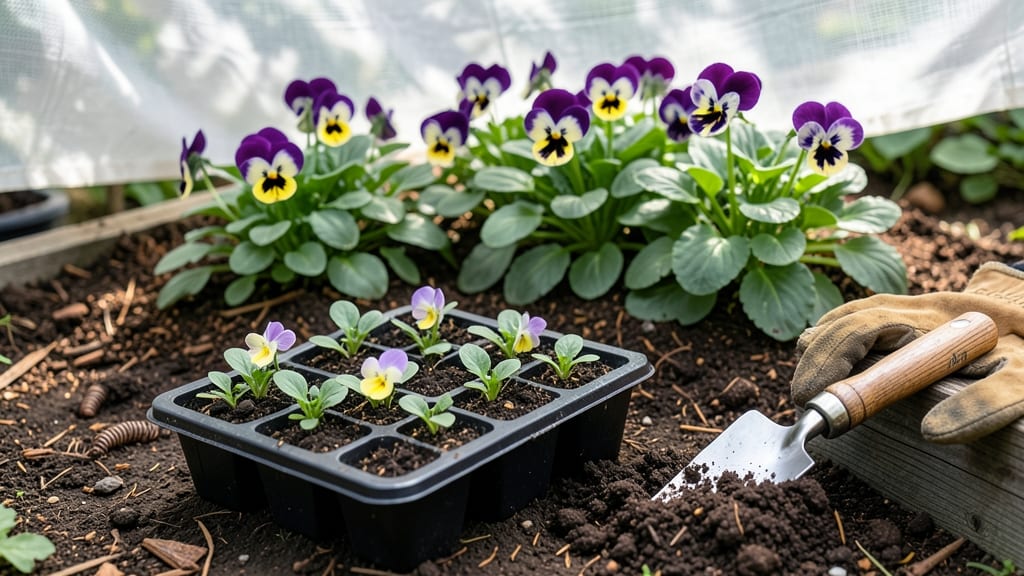
South Africa’s pansy planting zones by climate region
Pansies (Viola × wittrockiana) thrive across South Africa’s varied climates, but timing depends on your USDA zone and frost risk. Coastal regions like Cape Town (Zone 9b-10a) enjoy year-round planting, while highland areas like Lesotho (Zone 7b-8a) need spring/fall windows to avoid frost.
Let’s break down the ideal months for each region to ensure vibrant blooms.
In subtropical regions (e.g., Durban, KwaZulu-Natal), pansies grow best during cooler months (May–September) when temperatures drop below 25°C. These areas rarely face frost, so you can plant year-round with staggered sowing for continuous color.
For temperate zones like Western Cape, aim for spring (August–October) and fall (March–May) to align with natural rainfall patterns.
Highland regions (e.g., Drakensberg, Free State) experience harsher winters with frost risks as early as May. Plant pansies in late summer (February–March) for established roots before the first frost, or in early spring (September) after frost danger passes. Always check your local agricultural weather forecasts for precise dates.
| Region | USDA Zone | Best Planting Months | Frost Risk | Key Tip |
|---|---|---|---|---|
| Coastal (Cape Town, Garden Route) | 9b–10a | Year-round (peak: Aug–Oct, Mar–May) | Low (light frost in June–July) | Use shade cloth in summer |
| Subtropical (Durban, KwaZulu-Natal) | 10a–11a | May–September (cooler months) | None | Plant in partial shade |
| Highland (Drakensberg, Free State) | 7b–8a | Feb–Mar, Sep–Oct | High (May–Sept) | Mulch heavily in winter |
| Inland (Pretoria, Johannesburg) | 8a–8b | Aug–Sept, Mar–Apr | Moderate (June–Aug) | Choose cold-hardy varieties |
For coastal gardens, August–October is prime time—pansies bloom prolifically during spring rains and autumn (March–May). In subtropical zones, focus on May–September to escape summer heat stress. Highland gardeners should prioritize February–March planting to establish roots before winter frosts hit.
Always test your soil pH (ideal: 6.0–7.0) and amend with compost or sand if drainage is poor. Pansies hate waterlogged soil, so raise beds in areas with clay-heavy soil.
A 3-inch mulch layer of straw or pine needles helps retain moisture and insulate roots in frost-prone zones.
Pro tip: Use cloche tunnels or frost blankets to extend the season in temperate regions. These simple tools can push blooms into late autumn or early spring when natural conditions are harsh. Pair pansies with sweet alyssum or calendula for pollinator-friendly borders that thrive in the same conditions.
If you’re in a transition zone (e.g., eastern Cape), monitor minimum nighttime temperatures. Pansies tolerate light frosts down to -5°C, but severe freezes (below -7°C) will kill them. In these areas, opt for cold-hardy varieties like ‘Matrix’ or <
How to extend pansy blooms year-round in South Africa
South Africa’s mild winters and warm summers create perfect conditions for continuous pansy blooms—if you plan strategically. Unlike temperate climates, where pansies thrive only in cool seasons, here you can enjoy them almost year-round with the right planting schedule and protection methods.
The key? Staggered sowing and microclimate awareness.
For coastal regions like Durban or Cape Town, where frost is rare, you can plant pansies in late summer (February-March) for autumn blooms and again in early spring (August-September) for summer color.
In highland areas like KwaZulu-Natal, focus on spring (September-October) and early autumn (March-April) to avoid light frosts that can damage tender foliage.
🌱 5 Proven Strategies for Year-Round Pansies
- 1. Staggered Sowing: Plant new batches every 6-8 weeks to ensure constant blooms. Example: Start in February, then April, June, and August.
- 2. Frost Protection: Use frost cloths or mulch heavily in winter for highland gardens. A 3-inch mulch layer can raise soil temps by 5°C.
- 3. Shade in Summer: Provide afternoon shade (3-5 PM) in subtropical zones to prevent heat stress and bolting.
- 4. Companion Planting: Pair pansies with low-growing herbs like thyme or sage to deter pests and improve soil health.
- 5. Container Gardening: Move pots to shadier spots in summer and sunniest spots in winter for optimal growth.
In subtropical regions, where winters are mild but humid, focus on spring planting (August-September) for summer blooms and autumn planting (March-April) to extend color into winter. Use well-draining soil mixes with 20% perlite to prevent root rot from excess moisture.
For highland areas like Lesotho or Drakensberg, where frost is a risk, plant pansies in late spring (October-November) after the last frost date. Use cold-hardy varieties like 'Matrix' series, which tolerate -5°C temperatures. Always water deeply before frost to protect roots.
Deadhead spent blooms every 2 weeks to encourage new flowers and prevent seed production, which drains energy. In hot, dry summers, increase watering to every 2 days and apply mulch to retain moisture. Avoid overhead watering at night to prevent fungal diseases like downy mildew.
With these seasonal adjustments, your pansies will thrive year-round, offering colorful blooms from spring to autumn—even in challenging microclimates. Start small with one test batch in March and adjust based on your garden’s response. 🌸