
Trees
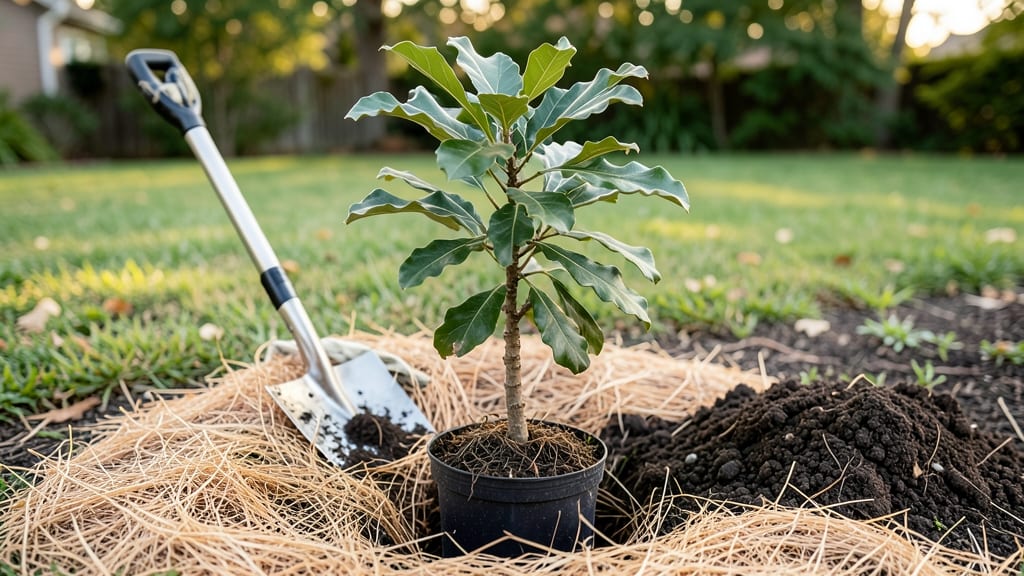
Best months to plant live oak trees in Texas for maximum survival rates
Texas gardeners know that planting a live oak tree (Quercus virginiana) at the wrong time can mean years of struggling with transplant shock and summer stress.
The best window for planting these majestic native trees is during fall and early spring, when temperatures are mild and rainfall supports root establishment. In Texas, this translates to October through December for fall planting and February through March for spring planting.
Why these months? Live oaks thrive when they can establish roots before facing Texas’ triple-digit heat and drought conditions. Planting outside these windows increases the risk of root desiccation and heat stress, which can stunt growth or even kill young trees.
Let’s break down the science behind these ideal planting windows and how to prepare your site for success.
🌳 Key Insight: The USDA Hardiness Zones 8a-10b in Texas mean your live oak will experience frost risks in winter and extreme heat in summer. Planting in fall or early spring gives your tree the best chance to adapt before these seasonal extremes.
In North Texas (Zones 8a-8b), aim for October through November to avoid early winter frosts that can damage young roots. Meanwhile, South Texas (Zones 9a-10b) gardeners have a slightly longer window, with September through December being ideal.
The key is to plant 6-8 weeks before the first frost in your area, allowing roots to establish before cold snaps arrive.
Soil conditions also play a critical role. Live oaks prefer well-draining, slightly acidic soil (pH 5.0–6.5). Before planting, test your soil and amend it with compost or organic matter to improve drainage and fertility.
In Texas’ clay-heavy soils, consider adding sand or gypsum to prevent waterlogging, which can suffocate roots.
Another critical factor is water availability. While live oaks are drought-tolerant once established, young trees need consistent moisture to survive their first year. Plan to water deeply 2-3 times per week during the first growing season, especially if planting in fall when rainfall may decrease.
Use drip irrigation or soaker hoses to deliver water directly to the root zone.
If you’re planting a bare-root sapling, fall is the best time—these trees enter dormancy naturally, reducing stress. For container-grown trees, early spring allows you to transplant before the heat sets in.
Avoid planting in summer, as the combination of high temperatures and low humidity creates a deadly environment for young oaks.
Why fall planting (September–November) is ideal for live oak trees in Texas
Fall is the golden window for planting live oak trees in Texas, offering cooler temperatures and higher humidity that reduce transplant shock. When you plant during this time, your tree’s roots establish before summer stress hits, giving it a fighting chance in Texas’ harsh climate.
During September through November, daytime highs stay between 60°F–85°F, perfect for root growth without the extreme heat of summer. This 6-week window aligns with Texas’ natural rainfall patterns, too, reducing the need for supplemental watering during the critical first months.
Here’s why fall planting works so well for live oaks: cooler soil temperatures prevent root burn, while the tree’s natural dormancy in winter minimizes stress. By the time spring arrives, your oak will have a robust root system ready to support rapid growth.
- Cooler soil temps: Protects delicate roots from heat stress (ideal 60°F–75°F range).
- Reduced transplant shock: Trees adapt better to Texas’ winter dormancy cycle.
- Natural rainfall boost: September–November average 3–5 inches/month in most regions.
- Fungal disease risk drops: Less humidity than summer, reducing oak wilt threats.
- Spring growth head start: Established roots grow 3x faster in spring.
To maximize success, choose bare-root saplings in early fall (October) or container-grown trees in late fall (November). Avoid planting after Thanksgiving—soil temps drop too low for root establishment before winter dormancy begins.
Prepare your site by amending clay-heavy Texas soils with 3–4 inches of compost and a 50/50 mix of native soil to improve drainage. Live oaks hate soggy roots, so raise the planting hole 2–3 inches above ground level to prevent water pooling.
After planting, mulch heavily (3–4 inches of wood chips) to retain moisture and regulate soil temps. Water deeply twice weekly for the first month, then taper to once weekly as winter approaches. This fall care routine sets your live oak up for decades of Texas shade.