
Plants
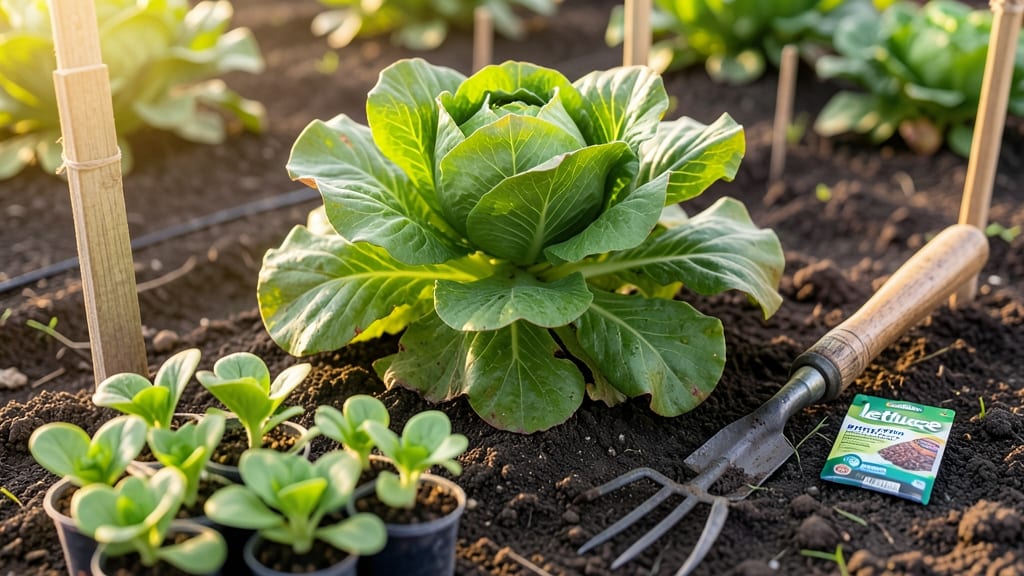
Knowing when to plant lettuce in Zone 6a can turn your garden from a gamble into a guaranteed harvest of crisp, homegrown 🥬. The difference between bolting bitter greens and enjoying sweet, tender leaves often comes down to timing—especially when you're working with Zone 6a's unpredictable spring and fall weather.
In this region, where last frosts linger around mid-April and first frosts arrive by mid-October, planting lettuce too early or too late can leave you with disappointing results.
The key is understanding your frost-free window and how it aligns with your lettuce varieties, whether you're aiming for a spring harvest or a fall bounty.
I'll walk you through the exact planting windows—early spring (March–April) and late summer (August–September)—that work best in Zone 6a, plus how to adjust for heat waves or early cold snaps.
You'll also discover how succession planting and simple frost protection can extend your harvest well beyond the typical growing season.
Ready to grow lettuce that thrives? Let's dive into the strategies that'll keep your garden producing fresh, flavorful greens from May through November—no more wilted disappointment, just crisp salads all season long.
Zone 6a frost dates & ideal lettuce planting windows
In Zone 6a, where average last frost dates hover around April 15 and first frosts arrive by October 15, timing your lettuce planting is everything. The 165-day frost-free window gives you two prime opportunities: early spring and late summer.
Plant too early, and frost will damage tender seedlings. Plant too late, and heat will trigger bolting before harvest. Let’s break down the exact windows to maximize your harvest.
For spring planting, aim to sow seeds 4–6 weeks before your last frost. In Zone 6a, that translates to late February to early March. Start with cold-hardy varieties like Winter Density or Arctic King, which can tolerate light frosts.
Use row covers if nighttime temps dip below 25°F to protect young plants. By mid-April, most varieties will be ready for transplanting into the garden.
Summer planting in Zone 6a is trickier due to heat, but late August to early September works for heat-tolerant varieties like Jericho or Black Seeded Simpson. These varieties can handle 75–85°F temperatures better than traditional lettuce.
Plant them in partial shade or use shade cloth to prevent bolting. Harvest within 45–50 days to avoid bitterness from heat stress.
Fall planting should begin 8–10 weeks before your first frost, or around mid-August. This gives lettuce enough time to mature before cold sets in. Extend your harvest into November by choosing cold-hardy varieties like Romaine or Buttercrunch, which can survive light frosts.
Use low tunnels or cold frames to push harvests even later.
🌱 Zone 6a Lettuce Planting Timeline
| Season | Planting Window | Ideal Varieties | Key Tips |
|---|---|---|---|
| Spring | Late February–Early March | Winter Density, Arctic King | Use row covers for frost protection |
| Summer | Late August–Early September | Jericho, Black Seeded Simpson | Provide afternoon shade to prevent bolting |
| Fall | Mid-August–Early September | Romaine, Buttercrunch | Use low tunnels for extended harvests |
🌿 Pro Tip: Test soil temps—lettuce thrives when soil is 40–85°F. Use a soil thermometer to avoid planting too early or late.
If you’re new to Zone 6a gardening, succession planting is your best friend. Sow a new batch of seeds every 2–3 weeks from March to June for a continuous harvest.
For fall, start seeds indoors in July and transplant outdoors in August to stagger maturity dates. This ensures you always have fresh lettuce without overwhelming your garden at once.
Heat waves in Zone 6a can turn your lettuce bitter or cause it to bolt prematurely. To combat this, choose bolt-resistant varieties like Oakleaf or Lolla Rosa, which handle heat better than traditional types.
Mulch with straw or grass clippings to keep roots cool and retain moisture. Avoid overhead watering during peak sun—water deeply in the early morning instead to reduce stress.
For late-season planting, focus on varieties with shorter maturity times (under 45 days). Examples include Salad Bowl or Parris Island Cos. These can be sown as late as early September and still produce harvests before frost.
Pair them with lightweight row covers to protect against early cold snaps, which can occur as early as October in Zone 6a.
One common mistake in Zone 6a is assuming all lettuce varieties are created equal. Leaf lettuce (like Butterhead) bolts faster in heat than head lettuce (like Iceberg), which is more heat-tolerant.
Match your variety to the season: leaf types for spring/fall and head types for summer. Always check seed packets for days to maturity and adjust planting dates accordingly.
Finally, don’t overlook microclimates in your garden. A sunny, south-facing bed will warm up faster than a shady, north-facing spot. Use this to your advantage by planting heat-sensitive varieties in cooler microclimates during summer.
Conversely, cold-hardy types can thrive in exposed areas during early spring or late fall. Observe your garden’s nuances over time to refine your planting strategy.
Best lettuce varieties for Zone 6a’s short vs. long seasons
Not all lettuce varieties thrive equally in Zone 6a’s unpredictable climate. The key to success lies in matching variety traits to your planting season. Cold-hardy types excel in spring and fall, while heat-tolerant varieties survive summer’s challenges.
Let’s explore the best options for each season and how to choose wisely.
For spring planting, prioritize cold-tolerant varieties that can handle light frosts and slow soil warming. Winter Density and Arctic King are top picks—they withstand 25–30°F temps and mature quickly (in 45–50 days).
Another great choice is Romaine, which forms crisp heads even in cooler weather. These varieties also resist bolting when exposed to gradual temperature increases, making them ideal for Zone 6a’s March–April window.
When summer rolls in, traditional lettuce varieties often bolt or turn bitter under Zone 6a’s 80–90°F heat. Instead, opt for heat-resistant types like Jericho or Black Seeded Simpson. These can tolerate up to 85°F and still produce tender leaves.
For late-summer planting (August–September), pair them with shade cloth (30–50%) to extend their growing window. Avoid varieties like Butterhead or Bibb in summer—they bolt almost instantly when stressed by heat.
🥬 Zone 6a Lettuce Variety Comparison
| Variety | Best Season | Days to Maturity | Key Traits |
|---|---|---|---|
| Winter Density | Spring/Fall | 45–50 | Cold-hardy, bolt-resistant |
| Jericho | Summer | 40–45 | Heat-tolerant, slow-bolting |
| Romaine | Spring/Fall | 50–60 | Crisp heads, frost-resistant |
| Black Seeded Simpson | Summer | 45–50 | Bolt-resistant, loose-leaf |
| Oakleaf | Spring/Fall | 40–50 | Heat-tolerant, decorative |
💡 Pro Tip: Check seed packets for days to maturity and adjust planting dates to avoid bolting or frost damage.
Fall planting in Zone 6a rewards gardeners with crisp, flavorful lettuce if you choose the right varieties. Buttercrunch and Salad Bowl are excellent for late-summer sowing (August), maturing in 40–45 days before frost.
For extended harvests, try Lolla Rosa—its red-and-green leaves add visual appeal and tolerate light frosts. Pair these with row covers to push harvests into November.
If you’re growing lettuce for cut-and-come-again harvests, leaf varieties like Oakleaf or Red Sails are game-changers. They regrow after cutting and handle Zone 6a’s temperature swings better than head lettuce. For head varieties, Iceberg (though less flavorful) and Little Gem are more heat-tolerant than Butterhead or Bibb.
Always prioritize bolt-resistant hybrids—they’re worth the slight price increase for Zone 6a’s unpredictable summers.
One common mistake in Zone 6a is planting heat-sensitive varieties too early in spring or too late in fall. For example, Butterhead lettuce planted in April may bolt by June if temperatures spike.
To avoid this, use shade cloth (30%) during heatwaves or switch to shade-tolerant varieties like Green Leaf. Similarly, planting