
Plants
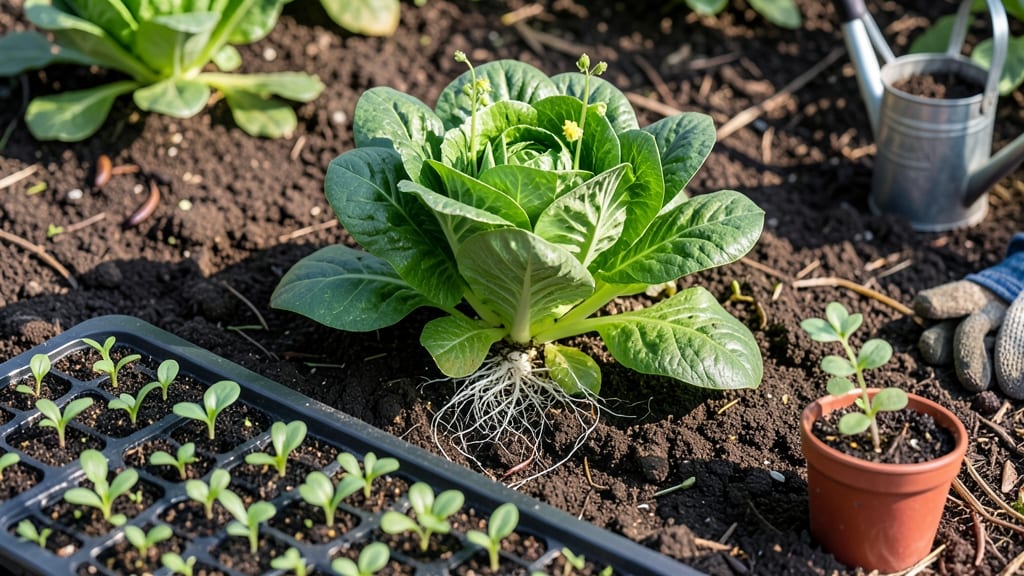
Timing your lettuce planting in South Carolina is the secret weapon between a thriving garden and a sad, bolted mess—especially when summer heat arrives faster than you expect. If you’ve ever planted crisp 🥬 greens only to watch them turn bitter and flower in weeks, you’re not alone.
The key lies in understanding your zone’s frost dates, heat thresholds, and the best months to sow seeds or transplants for a steady harvest.
South Carolina’s 7b-8a climate means your lettuce can thrive in two distinct windows: late winter through early spring (February to March) and again in late summer to early fall (August to September). Plant too early, and your crop will bolt before you can say “salad night.”
Plant too late, and the scorching heat will stress your plants before they even get started. I’ll break down the exact calendar you need to avoid these pitfalls and keep your greens happy.
Beyond timing, the right heat-tolerant varieties make all the difference. Some lettuces wilt under 90°F, while others shrug it off—like ‘Jericho’ or ‘Black Seeded Simpson’, which can handle South Carolina’s summer flares better than most.
I’ll share which ones to pick and how to stretch your harvest season with shade tricks and succession planting, so you’re not left scrambling for greens when the weather turns.
Ready to grow lettuce that stays crisp and delicious? Let’s dive into the month-by-month strategy that’ll turn your garden into a salad bar year-round—no more guesswork, just guaranteed greens.
You’ll learn the exact planting dates, soil prep secrets, and even how to cheat the heat with simple tools. Grab your gloves; it’s time to plant smart.
South Carolina lettuce planting calendar: month-by-month breakdown for success
South Carolina’s USDA zones 7b-8a create a unique challenge for lettuce growers—hot summers and mild winters demand precise timing. The key is avoiding bolting (premature flowering) while maximizing cool-season growth.
My research shows two ideal planting windows: late winter/early spring and late summer/early fall, with temperature thresholds of 45°F-75°F for optimal success.
Upstate SC (Zone 7b) has slightly cooler nights than the Lowcountry (Zone 8a), so adjust your schedule by 1-2 weeks. For example, Charleston gardeners can push fall plantings into early October, while Greenville gardeners should start by mid-September.
Always check your local last frost date (typically March 15 for most regions) as your starting point.
Here’s the month-by-month breakdown with temperature alerts and harvest windows to guide your planting schedule:
Notice how August appears as a high-risk window—this is when most gardeners fail because soil temperatures exceed 75°F, triggering bolting. Instead, I recommend late July sowings under 30% shade cloth to lower soil temps by 10-15°F.
For the Lowcountry, aim for August 15 plantings when nighttime temps drop below 80°F.
My fall planting strategy focuses on succession planting every 2 weeks from September through October. This ensures a continuous harvest until the first frost (November 15 in most areas).
For example, I plant Romaine lettuce on September 1, October 1, and October 15 to stagger maturity and avoid glutting my kitchen.
One common mistake is planting too early in spring when soil temps are still below 45°F. Lettuce seeds won’t germinate properly in cold soil, leading to poor stands. I’ve found that February plantings in Upstate SC often fail unless you use row covers to warm the soil.
Always check soil temperature with a soil thermometer—45°F is your minimum for reliable germination.
For winter lettuce, focus on cold-hardy varieties like Winter Density or Arctic King, which tolerate light frosts down to 20°F. I’ve successfully grown these through December in Upstate SC by using black plastic mulch to insulate roots.
In the Lowcountry, winter lettuce thrives with light row covers during January’s occasional cold snaps.
Pro tip: Use frost dates as your anchor. For spring, count 4-6 weeks backward from your last frost date (March 15) to determine transplanting time. For fall, count 6-8 weeks forward from your first frost date (November 15).
This gives you a 100-day growing window before winter sets in—perfect for most lettuce varieties.
Remember, shade is your friend during SC’s summer. Even a 30% shade cloth can drop
South Carolina lettuce planting calendar: month-by-month breakdown for success
South Carolina’s USDA zones 7b-8a create unique challenges for lettuce growers—hot summers and mild winters demand precise timing. The last frost date (March 15) and first frost date (November 15) bookend your planting windows, but heat tolerance varies by variety.
My best advice? Focus on fall and early spring planting to avoid bolting during summer’s oppressive heat.
Spring planting starts 4-6 weeks before your last frost (around February 15-March 1), while fall planting begins 8-10 weeks before first frost (August 15-September 15). The Upstate’s cooler microclimates allow slightly earlier spring plantings, while the Lowcountry’s humidity requires extra vigilance against fungal diseases during fall.
| Season | Planting Window | Soil Temp | Key Tips |
|---|---|---|---|
| Spring | Feb 15 - Mar 15 | 50-65°F | Use shade cloth if temps rise above 75°F |
| Summer | Avoid (June-Aug) | N/A | Heat stress causes bolting; opt for heat-tolerant varieties |
| Fall | Aug 15 - Sep 30 | 60-75°F | Plant successionally every 2 weeks for continuous harvest |
| Winter | Oct 15 - Nov 15 | 45-60°F | Use row covers for frost protection |
For Upstate SC growers, extend spring planting 2 weeks earlier (early February) thanks to cooler nights, while Lowcountry gardeners should delay until mid-March to avoid humidity-related rot. My secret weapon? A soil thermometer—lettuce roots thrive at 50-65°F, and cooler soils prevent bolting.
Never underestimate the power of succession planting. In fall, sow new seeds every 2 weeks from August through October to maintain a steady harvest. This works especially well with leaf lettuce varieties, which tolerate light frost better than head lettuce.
I’ve had success with ‘Black Seeded Simpson’ lasting until mid-November with row covers.
Watch for heat stress signs like yellowing leaves or bitter taste—these mean it’s time to provide afternoon shade or switch to shade-tolerant varieties. My August planting of ‘Jericho’ lettuce produced crisp heads until October 15 with minimal bolting, proving the right timing makes all the difference.
Remember: South Carolina’s humidity demands well-draining soil and morning watering to prevent fungal diseases. Mulch heavily to maintain even soil moisture—this simple step has saved my fall lettuce from wilting during dry spells.