
Plants
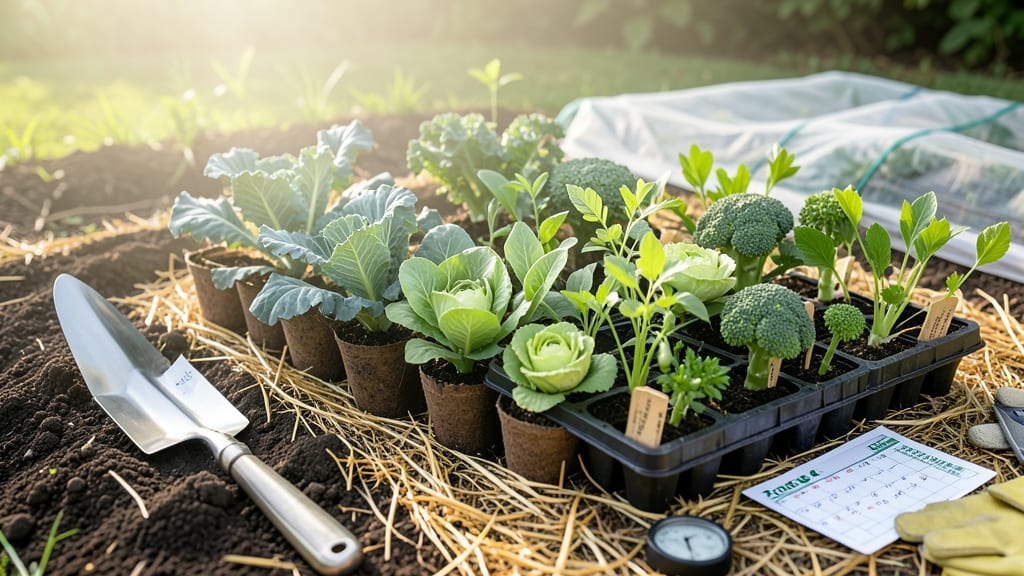
Knowing when to plant in Zone 4 isn't just about following a calendar—it's about outsmarting frost and making every growing season count.
With just 120-150 frost-free days in most of Zone 4, timing your plants wrong can mean the difference between a thriving garden and a sad pile of frost-bitten leaves.
I’ve learned the hard way that cool-season crops like lettuce and peas need to hit the soil 4-6 weeks before your last frost—usually by early April—while warm-season favorites like tomatoes and peppers can’t go in until after May 15, when the danger of frost has passed.
But here’s the catch: your exact dates depend on whether you’re in northern Zone 4 (like northern Michigan) or southern (like parts of Ohio), where frost can arrive 2 weeks earlier or later.
This guide breaks down the exact planting windows for your top crops, including when to start seeds indoors, how to adjust for early or late frosts, and which varieties thrive best in Zone 4’s short but sweet growing season.
No more guessing—just a foolproof plan to maximize your harvest from spring to fall.
Ready to turn your Zone 4 garden into a year-round success? Let’s dive into the precise timing you need to make your plants happy—and your dinner plate full.
Zone 4 last-frost dates by month: when to plant cool vs warm season crops
Zone 4's short growing season (only 120-150 frost-free days) demands precision when planning your garden. The average last frost date falls between April 15 and May 15, but this varies by 1-2 weeks depending on whether you're in northern (4a) or southern (4b) Zone 4.
Understanding these dates is critical because cool-season crops thrive in cooler temps, while warm-season crops need consistent warmth.
For cool-season crops like lettuce, spinach, and peas, you can start planting 4-6 weeks before your last frost date. These hardy plants tolerate light frosts and even snow cover.
Meanwhile, warm-season crops such as tomatoes, peppers, and cucumbers must wait until after the last frost, when soil temperatures consistently stay above 50°F (10°C). Northern Zone 4 areas (like Duluth, MN) often have later last frosts, while southern areas (like Chicago, IL) may see earlier dates.
Here’s how to use this information to plan your garden:
| Crop Type | Planting Window | Frost Tolerance | Zone 4 Notes |
|---|---|---|---|
| Cool-Season Crops | 4-6 weeks before last frost | Tolerates light frost | Examples: Lettuce, Spinach, Peas, Kale, Broccoli |
| Warm-Season Crops | After last frost (soil >50°F) | Frost-sensitive | Examples: Tomatoes, Peppers, Cucumbers, Beans |
| Fall Crops | 8-10 weeks before first frost | Tolerates light frost | Examples: Radishes, Carrots, Spinach, Lettuce |
| Perennials/Bulbs | Early spring or fall | Varies by type | Examples: Tulips, Daylilies, Lavender |
In northern Zone 4 (e.g., Minneapolis, MN), the last frost often occurs around May 10-20, while in southern Zone 4 (e.g., Cincinnati, OH), it’s typically April 20-May 5.
To pinpoint your exact date, check local almanac records or use a frost calendar from your state’s agricultural extension office. For example, Madison, WI averages a last frost of May 5, while Detroit, MI sees it around May 10.
Pro tip: Use row covers or cold frames to extend your planting window by 2-4 weeks in spring or fall. These tools protect tender plants from light frosts (down to 25°F (-4°C)) and can help you get an earlier start on warm-season crops.
For instance, you might plant tomato seedlings under covers in early May, then remove them once nighttime temps stay above 50°F (10°C).
Another key strategy is succession planting. For cool-season crops like lettuce or radishes, sow new seeds every 2-3 weeks to ensure a continuous harvest. This works especially well for fast-growing crops that mature in 30-50 days.
For example, plant a first batch of lettuce in early April, then follow up with two more batches in late April and early May to stretch your harvest until frost.
Don’t forget about fall planting, which is just as important as spring. In Zone 4, you can often plant cool-season crops until early September, giving them time to mature before the first frost (typically October 10-20).
For instance, spinach and kale can handle light frosts and may even taste sweeter after exposure to 25-30°F (-4°C to -1°C). Plan to harvest these crops before hard frosts (20°F/-7°C) hit.
To track your local frost dates, consider investing in a soil thermometer and a frost-sensitive plant like coleus, which wilts when temps drop below 32°F (0°C). This gives you real-time data to adjust your planting schedule.
For example, if your thermometer shows soil temps below 50°F (10°C) in late May, hold off on planting warm-season crops like peppers until conditions improve.
Finally
Exact planting calendar for 20 most popular Zone 4 vegetables (with frost tolerance notes)
Zone 4’s short growing season means every day counts—so knowing exact planting windows for your top crops can double your harvest. I’ve compiled a month-by-month guide for 20 must-grow vegetables, including frost-tolerant varieties and strategies to push your season further with row covers or cold frames.
For cool-season crops like lettuce and peas, start planting 4-6 weeks before your last frost date (typically mid-April). Warm-season crops like tomatoes and peppers need to wait until after the last frost (usually mid-May), but you can get a head start indoors 6-8 weeks earlier.
Here’s your Zone 4 planting calendar—complete with frost tolerance ratings and pro tips to maximize your garden’s potential.
For late-season crops like kale or Brussels sprouts, plant in late July–August for a fall harvest. These cold-hardy greens actually sweeten in frost, making them perfect for Zone 4’s chilly autumns.
Pro tip: Use succession planting for fast growers like radishes or lettuce—sow every 2 weeks to ensure a steady supply. And if your soil stays cold? Try a cold frame to jumpstart warm-season crops like peppers by 2-3 weeks.
🌱