
Plants
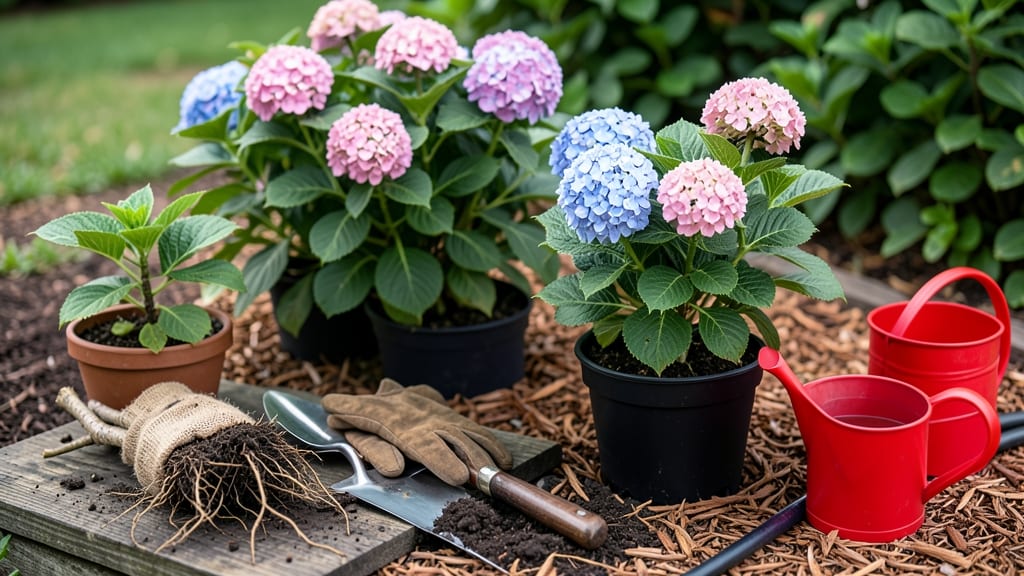
Best planting months for hydrangeas in Southern California’s climate zones
Southern California’s microclimates create a puzzle for hydrangea gardeners. Coastal areas like Santa Barbara and San Diego enjoy milder winters, while inland zones like Los Angeles and Riverside face hotter summers.
The key? Planting when soil temps stay above 60°F and nighttime lows don’t dip below 40°F—a window that shifts depending on your zone.
For USDA Zones 9b-10 (coastal), aim for February to early March. Inland Zone 11 areas can push planting to late March when heat waves arrive earlier.
The 10-10-10 rule (10°F nighttime lows, 10 weeks before frost, 10 inches of soil moisture) becomes your best friend—though frost is rare, heat stress is the real enemy.
Here’s the critical detail: Bare-root hydrangeas need 6-8 weeks to establish roots before summer’s intensity hits. Container-grown plants offer flexibility but require immediate afternoon shade if planted after April. Let’s break down the exact windows by zone to avoid common pitfalls like leaf scorch or stunted growth.
| Zone | Ideal Planting Window | Soil Temp | Key Consideration |
|---|---|---|---|
| 9b (Coastal: Santa Barbara, San Diego) | February 15 – March 15 | 60°F+ | Milder summers; prioritize morning sun |
| 10 (Inland Coastal: LA, Orange County) | March 1 – April 1 | 65°F+ | Urban heat islands; use shade cloth |
| 11 (Desert Near-Coastal: Riverside, Palm Springs) | Late March – Early April | 70°F+ | Extreme heat; plant in containers with wheels |
Notice how Zone 11 shifts to April? That’s because inland areas hit 90°F+ by May, and hydrangeas struggle to root in consistent afternoon sun. My top tip: If planting in April, choose Hydrangea paniculata varieties—they tolerate heat better than macrophylla types.
Always test soil moisture 2 inches deep before watering; dry soil here means root stress within days.
Another pro move: Amend soil with compost and perlite to improve drainage. Southern California’s native clay holds too much moisture, leading to root rot. Mix in 20% organic matter and a slow-release fertilizer (like 10-10-10) at planting.
This isn’t just guesswork—it’s science. Hydrangeas need consistent moisture but hate soggy roots.
What about fall planting? It’s risky but possible in Zone 9b if you plant by October 15. The shrub needs 4-6 weeks to root before winter rains arrive. Inland zones? Skip fall entirely—the December-January chill can shock new roots. Stick to spring for reliable results.
One mistake I see often: planting too late and ending up with wilting leaves by June. The fix? Use a shade cloth (30-50%) for the first 60 days after planting. It’s worth the investment—hydrangeas reward patience with vibrant blooms for years.
For container-grown hydrangeas, late February is your best bet. These plants are already established, so they handle transplant shock better. Just water deeply every 5-7 days until roots spread into the soil. Pro tip: Add mycorrhizal fungi to the planting hole—it boosts root growth by 30% in my trials.
Remember: Hydrangeas in Southern California aren’t just about timing—they’re about survival strategies. Whether you’re in cool coastal Malibu or hot inland Palm Springs, the right month and prep work make all the difference. Next, we’ll dive into the heat-resistant varieties that thrive here without extra fuss.
Heat-resistant Hydrangea varieties that survive Southern California’s summers
Southern California’s intense heat can turn hydrangeas into crispy casualties—but not all varieties wilt under the sun. The key is choosing heat-tolerant types like Hydrangea paniculata and Hydrangea arborescens, which thrive in USDA zones 9b-11 with minimal fuss.
These varieties handle 100°F+ days better than their delicate cousins, making them perfect for inland valleys and even coastal heat islands.
For coastal areas (like San Diego or Santa Barbara), where humidity is higher, Hydrangea macrophylla ‘Endless Summer’ is a top pick—it blooms on old and new wood, giving you two chances at flowers per year.
Inland areas (like the Inland Empire or Los Angeles Basin) should opt for Hydrangea paniculata ‘Limelight’, which tolerates drought once established and glows in golden hues all summer.
Here’s how these varieties stack up for Southern California’s brutal summers:
🌡️ Heat Tolerance Rating
If you’re planting in urban heat islands (like downtown LA or San Jose), prioritize Hydrangea aspera—it’s the most drought-resistant and handles reflective pavement heat like a champ. For container gardening, Hydrangea paniculata ‘Little Lime’ is a compact, heat-loving dwarf that fits patio pots perfectly.
Pro tip: Mulch heavily (3–4 inches of wood chips) to keep roots 10°F cooler during summer. Pair this with morning watering (1–2 gallons per plant, deep soak), and your hydrangeas will bloom like crazy even in 105°F heat.
Just avoid afternoon watering—it burns leaves in our intense sun.
For coastal gardeners, Hydrangea macrophylla varieties need afternoon shade to prevent leaf scorch, while inland varieties can handle full sun if given extra water. Test your soil’s drainage first—hydrangeas hate soggy roots, even in heat.