
Plants
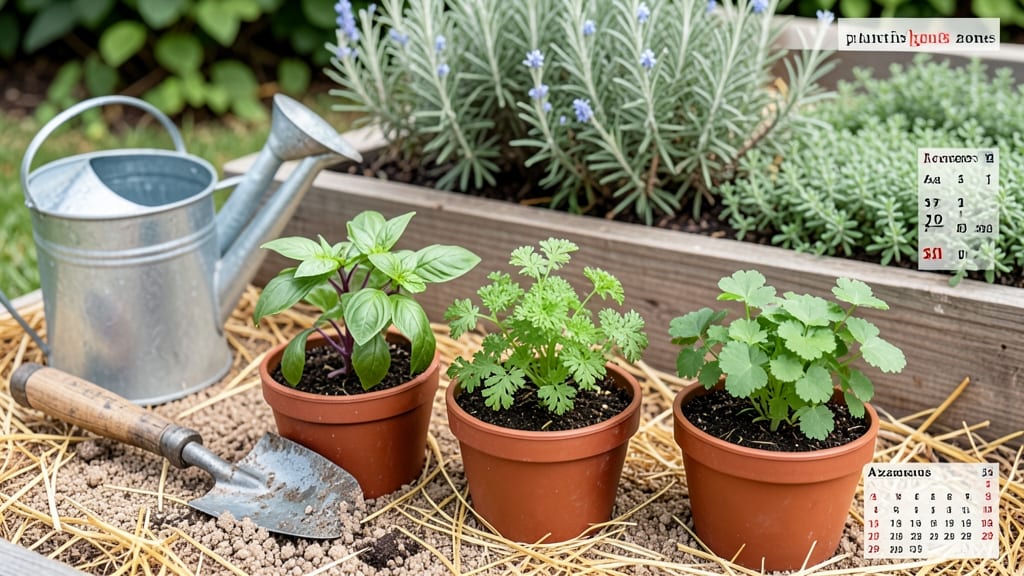
Arizona’s herb planting calendar by heat Zone: frost dates & ideal months
Arizona’s diverse climate—from the scorching low desert of Phoenix to the cooler high desert of Flagstaff—means your herb planting strategy should vary dramatically.
The last frost dates shift from December 15 in the low desert to January 15 at higher elevations, while first frost can arrive as early as November in mountainous areas. Understanding these heat zones ensures you plant at the perfect time for each herb’s success.
For Low Desert (Phoenix/Scottsdale, USDA Zone 9b-10a), the ideal planting window stretches from late August through November for fall crops and February through March for spring. In contrast, Mid Desert (Prescott, Zone 7a-8a) has a shorter window—September to October and March to April—due to earlier frosts.
Meanwhile, High Desert (Flagstaff, Zone 6a-7a) gardeners should focus on May to June and August to September to avoid late-spring frosts.
Here’s how to align your planting with Arizona’s three distinct heat zones for maximum herb yield:
| Heat Zone | Last Frost | First Frost | Ideal Planting Months | Best Herbs |
|---|---|---|---|---|
| Low Desert (Phoenix) | Dec 15 | Never (Zone 10a) | Aug–Nov (fall), Feb–Mar (spring) | Rosemary, thyme, oregano, basil |
| Mid Desert (Prescott) | Jan 15 | Nov 15 | Sep–Oct (fall), Mar–Apr (spring) | Parsley, cilantro, dill, sage |
| High Desert (Flagstaff) | May 1 | Oct 15 | May–Jun (spring), Aug–Sep (fall) | Chives, mint, lavender, tarragon |
Fall planting (September–November) is my top recommendation for Arizona gardeners. Cooler temperatures and shorter daylight hours help herbs establish roots before winter, while spring planting (February–March) capitalizes on the longer growing season before summer’s brutal heat arrives. Avoid planting June through August—even heat-loving herbs like rosemary and thyme struggle above 105°F, and cilantro bolts in minutes.
For container gardening, which is ideal in Arizona’s extreme heat, adjust your timeline by 2–4 weeks earlier than in-ground planting.
Containers heat up faster and dry out quicker, so late summer (July–August) can work for heat-tolerant herbs like basil or oregano if you use black fabric pots and drip irrigation. Always check soil temperature—above 85°F is too hot for most herb seeds to germinate.
Microclimates play a huge role in Arizona. If you live in a shaded urban canyon (like parts of Tucson), you might extend your spring planting into late April. Conversely, exposed desert plots near Sedona could see frost as late as March 15, delaying your spring start. Use a soil thermometer to confirm when temperatures stabilize above 60°F—the sweet spot for most herb seeds.
Pro tip: Direct-sow heat-loving herbs like basil and oregano in late spring (April–May) for a summer harvest, but move them to partial shade by June to prevent scorching. For cool-season herbs like parsley and cilantro, September sowing gives them time to mature before winter slows growth.
Always mulch heavily (3–4 inches) to retain moisture and regulate soil temps.
Timing isn’t just about months—it’s about moon phases too. Plant leafy herbs (basil, parsley) during the waxing moon for lush growth, and rooty herbs (chives, mint) during the waning moon to encourage strong root development.
Pair this with Arizona’s planting calendar, and you’ll have year-round herb harvests even in the desert.
Remember: Arizona’s monsoon season (July–August) brings sudden downpours, which can drown shallow-rooted herbs like dill or fennel. If you’re planting during this time, ensure excellent drainage—amend soil with perlite or coarse sand and avoid overwatering.
The key to success? Plan ahead, adapt to your microclimate, and never underestimate the power of mulch.
Best herbs to plant in Arizona’s extreme heat: heat-tolerant vs. cool-season varieties
Arizona’s 110°F+ summers demand smart herb choices—some thrive in the heat while others bolt or wilt. Heat-tolerant herbs like rosemary and thyme handle desert conditions, while cool-season favorites like cilantro need shade and cooler temps. Understanding these differences ensures your garden survives (and tastes great!) year-round.
Rosemary, oregano, and thyme are your best bets for summer planting—they love dry heat and even grow better with less water. Meanwhile, basil, parsley, and cilantro prefer cooler weather and may need afternoon shade during peak summer months. Let’s break down which herbs work best when and how to protect them.
🌿
🔥 Heat-Tolerant Herbs (Plant Spring-Summer)
✅ Thrives in 100°F+; drought-proof
💧 Water: Every 7-10 days
✅ Handles poor soil; pest-resistant
☀️ Sun: Full sun to partial shade
✅ Drought-tolerant; great for rock gardens
✂️ Prune: Trim after flowering
✅ Fragrant; attracts pollinators
🌡️ Temp: Needs well-draining soil
❄️ Cool-Season Herbs (Plant Fall-Winter)
❄️ Bolts in heat; plant Sept-Nov
🌿 Shade: Afternoon cover in summer
❄️ Slow-growing; needs cooler temps
💧 Water: Keep soil moist
❄️ Prefers spring/fall; attracts beneficial insects
🌱 Space: 12-18 inches apart
❄️ Hardy; regrows after cutting
☀️ Sun: Partial shade in summer
For summer planting, use shade cloth (30-50%) to protect heat-sensitive herbs like basil and parsley. Mulch heavily with straw or wood chips to retain moisture—this is non-negotiable in Arizona’s dry climate. I’ve even seen container gardens with self-watering bases thrive in 105°F heat!
If you’re planting cool-season herbs in summer, opt for morning sun only and move containers to shaded areas by noon. Basil is a tricky one—it loves heat but wilts if roots dry out. Pro tip: Grow it in black pots to absorb heat and keep roots warm.
🌱