
Plants
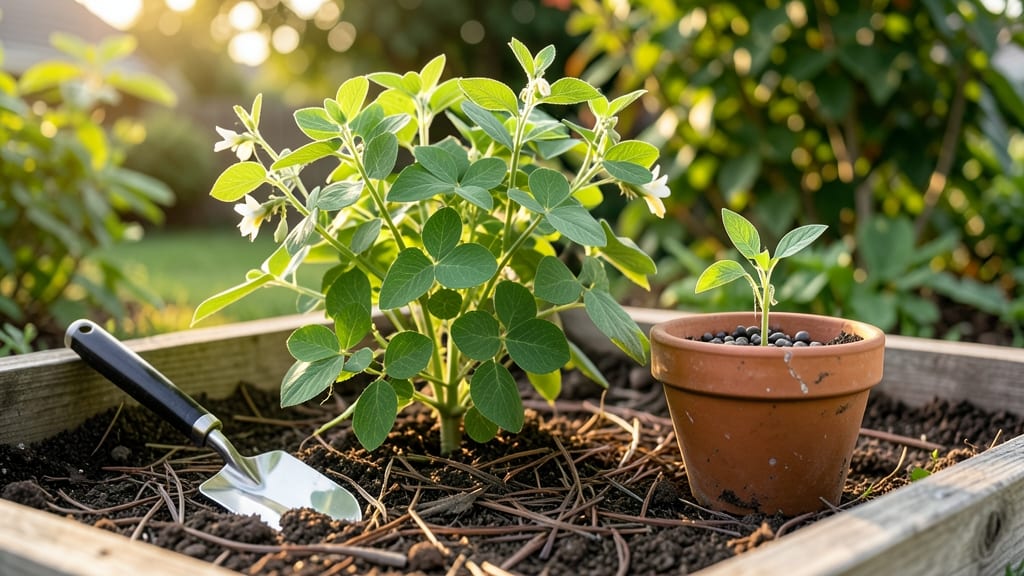
Timing your green bean 🌱 planting in South Carolina can mean the difference between a bountiful harvest and wilted disappointment.
With the right window—like mid-March to early July for spring or late July to early September for fall—you’ll avoid heat stress and frost damage that can ruin your crop before it even starts.
I’ve grown green beans in USDA zones 7b-8a for years, and the key is knowing when the soil warms to at least 60°F. Plant too early, and your beans will languish; too late, and you’ll miss the sweet spot for maximum yield.
Let me show you exactly when to start seeds or transplants for the best results in your backyard.
Whether you’re a first-time gardener or a seasoned grower, these zone-specific deadlines will help you plan for two harvests a year. From early spring varieties that beat the heat to fall plantings that stretch into November, I’ll break down the perfect schedule so you never miss a beat.
Ready to grow crisp, flavorful green beans all season long? Let’s dive into the exact dates and tips that work in South Carolina’s climate.
South Carolina green bean planting calendar: exact dates by USDA zone
South Carolina’s USDA zones 7b-8a offer two prime windows for growing green beans: spring and fall. The key is planting when soil temperatures hit at least 60°F—cold soil slows germination and invites rot.
For most of the state, this means waiting until mid-March to early April for spring plantings, while fall plantings should start late July to early August to avoid heat stress before harvest.
Timing matters because green beans hate frost—even a light freeze will kill tender seedlings. In zone 7b (cooler northern regions like Greenville), aim for April 1-15 for spring, while zone 8a (warmer coastal areas like Charleston) can start as early as March 15.
Fall plantings must finish 80-90 days before first frost (typically November 15), so late July is your cutoff.
Here’s the golden rule: plant bush beans (like 'Blue Lake') 10-14 days after your last frost date, and pole beans (like 'Kentucky Wonder') 2-3 weeks later—they tolerate heat better and produce longer. Miss these windows, and you’ll face bolting (premature flowering) or stunted growth from summer’s oppressive heat.
| Planting Window | USDA Zone 7b (North SC) | USDA Zone 8a (Coastal SC) | Soil Temp Requirement | Key Varieties |
|---|---|---|---|---|
| Spring Planting | April 1-15 | March 15-April 1 | ≥60°F | Blue Lake, Contender |
| Fall Planting | Late July-Early Aug | Late July-Aug 15 | ≥60°F | Kentucky Wonder, Tendergreen |
| Succession Planting | Every 2 weeks until June 15 | Every 2 weeks until July 1 | ≥65°F | All varieties |
🌱 Pro Tip: Use a soil thermometer to confirm temps before planting!
For succession planting (staggered harvests), sow seeds every 2 weeks until mid-June in zone 7b or early July in zone 8a. This ensures a steady supply of fresh beans while avoiding the July-August heat slump that can cause beans to flower but not set pods.
If you’re in Upstate SC, opt for heat-tolerant varieties like 'Hystar' or 'Blue Lake Bush'—they handle temps up to 90°F better than standard types.
Another critical factor is moon planting—while not scientific, many SC gardeners swear by planting during the waxing moon for better root development. Pair this with loose, well-draining soil (amend with compost if your soil is clay-heavy) and you’re set for a bountiful harvest.
Just avoid planting when the moon is in Scorpio (superstitious gardeners claim it weakens plants!).
If you’re in coastal SC, where humidity lingers, choose disease-resistant varieties like 'Rattlesnake' or 'Mascotte'. These handle the high moisture better and reduce the risk of anthracnose or rust, common in Lowcountry gardens.
Always plant in full sun (6+ hours daily) and keep soil consistently moist but not soggy.
For container growing, use at least 10-inch-deep pots and plant 2-3 seeds per container. Containers warm up faster than garden beds, so you can start 2 weeks earlier than in-ground plantings. Just ensure pots have drainage holes to prevent root rot—a common issue in SC’s rainy season.
Finally, mark your calendar for harvest deadlines: spring-planted beans should be picked by late October, and fall-planted beans by early December (before hard frosts). Use a sharp knife or scissors to snip pods at the stem to avoid damaging the plant.
Regular harvesting encourages more production—don’t let pods get woody or seeds too large!
With these zone-specific deadlines and climate hacks, you’ll avoid the most common mistakes SC gardeners make—like planting too early and risking frost or too late and facing heat stress. Follow this calendar, and you’ll enjoy crisp, homegrown green beans from May through November. 🌿
How to extend your green bean season in South Carolina: succession planting tips
South Carolina’s long growing season lets you grow green beans 🌱 twice a year—but only if you plan strategically. The key is succession planting, which means staggering your plantings to avoid heat stress in summer or frost damage in fall.
I’ve found that spacing out your plantings by 2-3 weeks ensures a steady supply of fresh beans from May through November.
Start your first planting in mid-March (10-14 days after the last frost) for an early spring harvest. Then, every 2-3 weeks, add another row until early July. This method keeps your plants producing before the summer heat slows them down.
For fall, begin your last planting in late July and continue until early September to harvest into November.
Don’t overlook heat-tolerant varieties like ‘Blue Lake’ or ‘Contender’—they thrive in South Carolina’s summer heat and produce well even when temperatures climb above 90°F. These varieties are perfect for your mid-summer plantings (June-July) when other types might struggle.
For pole beans, which take up less space, you can even squeeze in 3 plantings per season. Space them 3 weeks apart in spring and 4 weeks apart in fall. Just remember: pole beans need trellises or stakes (6 feet tall) to climb, so plan your garden layout accordingly.
If you’re short on space, consider container gardening for succession planting. Use 5-gallon buckets or fabric grow bags filled with well-draining soil. Plant 3-4 seeds per container and thin to the strongest plant.
This method works surprisingly well for bush beans and lets you move containers to follow the sun or avoid afternoon shade.
Pro tip: Mark your planting dates on a garden calendar or use a planting app to track progress. In South Carolina, where summer storms can wash away seeds, keeping a log ensures you don’t miss a planting window.
With this approach, you’ll enjoy fresh green beans for nearly half the year—no grocery store needed!