
Plants
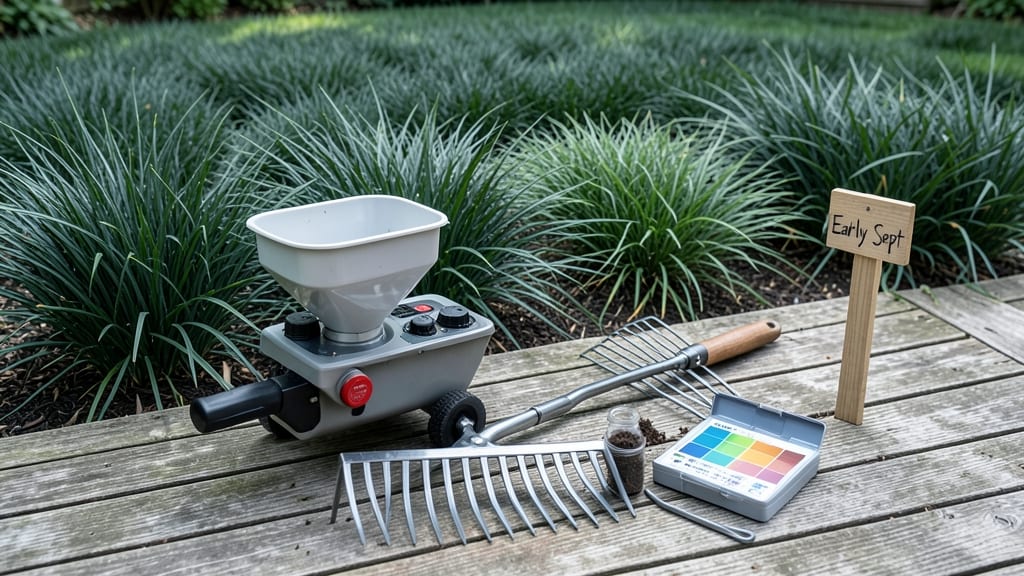
Planting grass at the wrong time in Virginia can turn your dreamy green lawn into a patchy, frustrating eyesore—so getting the timing right is the key to success. Whether you're dealing with Virginia's humid summers or chilly winters, the difference between spring and fall planting can mean the difference between a thick, vibrant lawn and one that struggles to take hold.
I’ve seen firsthand how late summer to early fall (August-September) often gives grass the best shot at establishing strong roots before winter sets in. But spring planting (March-April) has its perks too, especially if you’re working with Virginia’s 6a-8a climate zones.
The challenge? Avoiding those late frosts that can sneak up and stall your progress.
What if you could skip the guesswork and plant your grass at the perfect moment for your specific Virginia region? I’ll break down exactly when to plant—whether you’re in the coastal areas, Piedmont, or mountains—and how to prep your soil for maximum success.
Let’s get your lawn off to the best possible start.
From soil temperature tips to avoiding common mistakes, you’ll learn how to time your planting like a pro. Ready to transform your yard into the envy of the neighborhood? Let’s dive in.
Best months to plant grass in Virginia: spring vs fall comparison
Virginia’s climate—spanning USDA Zones 6a-8a—creates distinct windows for planting grass, but timing makes all the difference. Cool-season grasses like Kentucky Bluegrass and Tall Fescue thrive when planted in early spring (March-April) or late summer/fall (August-September), while warm-season grasses like Bermuda and Zoysia prefer late spring (May-June).
The key? Avoid extreme heat or frost, which stress young roots.
Fall planting is often ideal because cooler temps and consistent rainfall help seeds germinate without drying out. Spring planting works too, but you’ll need to stay ahead of summer’s heat. Virginia’s regional microclimates (coastal, Piedmont, mountains) also shift these windows slightly—coastal areas may plant 1-2 weeks earlier than inland zones.
Here’s how Virginia’s last frost dates (March 1-31) and first frost dates (October 15-December 15) shape your planting schedule. Aim to plant 4-6 weeks before frost in fall or 4-6 weeks after frost in spring for best results.
| Factor | Spring Planting (March-April) | Fall Planting (August-September) |
|---|---|---|
| Best For | Cool-season grasses (Kentucky Bluegrass, Tall Fescue) | Cool-season grasses (optimal root growth) |
| Soil Temp | 50-65°F (ideal: 60°F+) | 60-75°F (cooler than summer) |
| Rainfall | Variable (irrigation needed) | Consistent (natural moisture) |
| Weed Competition | Moderate (spring weeds emerge) | Low (weeds dormant in fall) |
| Establishment Time | 6-8 weeks (hot summer stress) | 4-6 weeks (cooler temps help) |
| Virginia Regions | Coastal: March 15-30 Inland: March 20-April 5 |
Coastal: August 15-Sept 15 Inland: Sept 1-15 |
Spring planting in Virginia demands vigilance—late April heat can dry out seeds before roots establish. Start with Kentucky Bluegrass or Tall Fescue, which tolerate cooler temps. Prep soil in February to get ahead, then plant as soon as the ground thaws (soil temp ≥60°F).
Fall planting, however, is my top recommendation for Virginia’s climate. The 60-75°F soil temps in August-September encourage deep root growth before winter. Tall Fescue and Fine Fescue are excellent choices—they handle Virginia’s humid summers and mild winters better than other types.
For warm-season grasses like Bermuda or Zoysia, plant in late spring (May-June) when soil temps hit 70°F+. These grasses go dormant in winter, so they’re less ideal for year-round lawns in Virginia’s Zone 6a-7a areas. Stick to cool-season blends for full-season coverage.
Regional tweaks matter: Coastal Virginia (e.g., Norfolk) can plant 1-2 weeks earlier than the Piedmont (Richmond) or mountains (Roanoke). Check your last frost date—coastal areas average March 1, while higher elevations may see frost into April. Use local Cooperative Extension Service guides for precise dates.
Pro tip: If you miss the ideal window, sod (pre-grown grass) is a faster alternative. It establishes in 2-4 weeks vs. 6-8 weeks for seed, and you can install it throughout spring and fall as long as soil isn’t frozen.
Just water deeply for the first 2 weeks to encourage root contact.
Best months to plant grass in Virginia: spring vs fall comparison
Virginia’s climate offers two prime windows for planting grass: early spring and late summer/fall. Each season has unique advantages, but the best choice depends on your grass type and local microclimate.
Cool-season grasses like Kentucky Bluegrass and Tall Fescue thrive when planted in fall, while warm-season varieties like Bermuda or Zoysia prefer late spring/early summer. Let’s break down the ideal timing for each.
The fall planting window (August–September) is often considered superior for Virginia’s climate. Cooler temperatures reduce stress on new grass, and 6–8 weeks before the first frost allows roots to establish deeply before winter dormancy.
In Virginia, this typically means planting by mid-October in most regions, with adjustments for cooler mountain areas or warmer coastal zones.
For spring planting, aim for March–April—after the last frost (usually around March 15 in most of Virginia) but before summer heat arrives. Early spring gives grass a head start, but growth can slow if planted too late.
In USDA Zones 6a–7a (common in Virginia), spring planting works best if soil temperatures stay above 60°F for consistent germination.
🌱 Virginia Grass Planting Comparison
| Season | Best Months | Grass Types | Soil Temp | Key Advantage |
|---|---|---|---|---|
| Fall | August–September | Cool-season (Kentucky Bluegrass, Tall Fescue) | 60–75°F | Deep root growth before winter |
| Spring | March–April | Warm-season (Bermuda, Zoysia) | 65–75°F | Avoids summer heat stress |
| Late Summer | June–July | Warm-season (overseeding) | 75–85°F | Fills gaps before winter |
🌡️ Pro Tip: Use a soil thermometer to confirm temps—ideal germination occurs at 60–75°F for most grass types.
Virginia’s three distinct regions—coastal, Piedmont, and mountainous—can shift ideal planting dates by 2–4 weeks. Coastal areas (like Norfolk) have milder winters, allowing fall planting into early November, while the mountains (e.g., Roanoke) may need to start by mid-September to avoid early frosts.
Always check your local USDA frost dates and adjust accordingly.
If you miss the fall window, late spring (May) is the next best option, but expect slower establishment due to heat and drought risks. For warm-season grasses, June–July planting is ideal, though overseeding in late summer can also thicken lawns before winter.
Avoid planting in summer’s peak (July–August)—high temperatures and drought stress new grass severely.
Regardless of season, soil preparation is critical. Test your soil’s pH (ideal: 6.0–7.0 for most grasses) and amend with compost or lime if needed. Fall planting benefits from 6–8 weeks of root growth before winter, while spring planting requires consistent moisture to outpace summer’s heat.
Both seasons demand patience—new grass takes 10–14 days to germinate and 3–4 weeks to establish a strong root system.
For Virginia gardeners, the fall window (August–September) is my top recommendation—it’s the most forgiving for cool-season grasses and aligns perfectly with the state’s climate. But if you’re planting warm-season varieties, late spring or early summer is the way to go.
Whichever you choose, prioritize soil prep, proper watering, and patience for the best results. 🌱