
How To
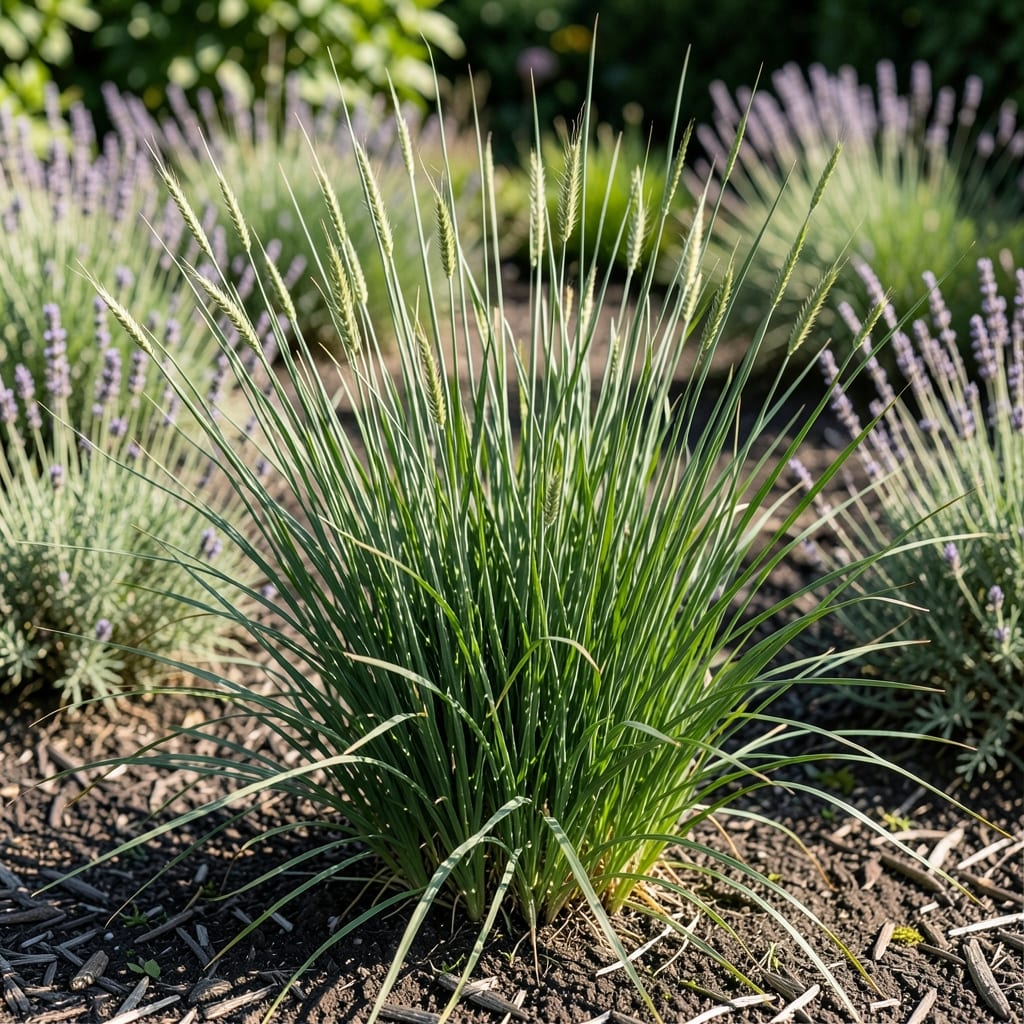
Wondering how long does tall fescue take to grow into that dreamy, thick lawn you've been dreaming of? The answer isn't just about time—it's about knowing the right conditions to speed up the process. Tall fescue 🌱 is a cool-season grass that thrives in USDA Zone 6a, but even the best grass needs patience (and a few smart tricks) to reach its full potential.
Most homeowners see the first signs of growth within 7-14 days after planting, but don't expect a full lawn overnight. The real magic happens between 3-6 weeks, when roots start establishing and those tiny sprouts begin filling in. If you're planting in late summer or early fall—the ideal window—you'll give your grass the best shot at thriving before winter sets in.
Here's the kicker: with the right soil prep, watering schedule, and a little extra care, you can shave weeks off that timeline. We're talking visible progress in as little as 7-21 days if you follow the proven steps. Whether you're dealing with patchy spots or starting from scratch, I'll walk you through exactly what to do to get your tall fescue growing faster than ever.
Ready to turn your lawn from sparse to stunning? Let's dive into the growth stages, speed-up strategies, and common mistakes that might be holding your grass back. Your perfect lawn is closer than you think!

Tall fescue growth timeline: weeks 1–12 breakdown by stage
Understanding the tall fescue growth timeline helps set realistic expectations and lets you know exactly when to intervene. From the first seed germination to a fully established lawn, each stage requires specific care. Let’s break it down week by week so you can track progress and adjust your approach for the fastest results.
The journey starts with germination, which typically occurs within 7-14 days under ideal conditions. During this time, your seeds need consistent moisture and soil temperatures between 60-75°F. If your soil is too cold or dry, germination can take 2-3 weeks longer. This is why planting in late summer or early fall—when temperatures are cooler but still warm enough—gives you the best shot at quick sprouting.
By Week 2-3, you’ll start seeing those first tiny green shoots poking through the soil. These delicate sprouts are vulnerable to drying out, so keep the soil moist but not soggy. Avoid walking on them or disturbing the area—even light foot traffic can stunt their growth. This is also when roots begin to establish, though they’re still shallow and fragile.
Here’s where things get exciting: between Week 4-6, your tall fescue will enter its tillering phase. That’s when those initial shoots start producing new tillers (side stems), which thicken your lawn. This is the stage where you’ll notice real density if you’ve been watering and fertilizing correctly. If your grass looks sparse, it’s time to check your watering schedule or soil pH—both can drastically slow this phase.
| Stage | Key Milestones | Care Tips | Timeframe |
|---|---|---|---|
| Germination | Seeds sprout; first shoots appear | Keep soil moist, avoid disturbance | 7-14 days |
| Early Growth | Shoots reach 1-2 inches; shallow roots | Light watering, no heavy traffic | Weeks 2-3 |
| Tillering | New tillers form; lawn thickens | Apply starter fertilizer, maintain moisture | Weeks 4-6 |
| Root Establishment | Deep roots develop; grass resists drought | Reduce watering slightly, mow high | Weeks 7-9 |
| Full Coverage | Lawn fills in; minimal bare spots | Fertilize, overseed thin areas | Weeks 10-12 |
By Week 7-9, your tall fescue should be developing deeper roots, making it more drought-resistant. This is the perfect time to start light mowing—but only if the grass reaches 3-4 inches tall. Cutting too early can stress the young plants. If your lawn still looks patchy, consider overseeding or checking for soil compaction, which can choke root growth.
Between Weeks 10-12, you should see your lawn reaching its full coverage potential. If you’ve been diligent with watering, fertilizing, and mowing, you’ll have a thick, lush carpet of tall fescue. This is also when you can start adjusting your maintenance routine—like switching to a regular mowing schedule and reducing watering slightly to encourage deeper root growth.
Remember, these timelines are estimates based on ideal conditions. Factors like soil quality, climate, and water availability can shift your progress by weeks. For example, if you’re in a hot, dry climate, germination might take longer, or your grass could struggle to establish without extra care. That’s why knowing your local USDA Zone and adjusting your approach is key.
Once your tall fescue is fully established—typically by Week 12—it’ll enter its maintenance phase. This is when you can focus on keeping it healthy with regular mowing, fertilizing, and watering. But the real reward? A lawn that stays green and resilient even through droughts and foot traffic. That’s the power of tall fescue done right!
7 Proven ways to speed up tall fescue growth in 7–21 days
If you're eager to see your tall fescue grow faster, the secret lies in optimizing its first critical weeks. With the right approach, you can cut the establishment time from months to just 7-21 days for visible progress. The key is focusing on soil health, watering consistency, and nutrient timing—all while avoiding common pitfalls that stall growth.
First, let's tackle the foundation: soil preparation. Tall fescue thrives in soil with a pH between 6.0 and 7.5. If your soil is too acidic or alkaline, adjust it 2-4 weeks before planting using lime (to raise pH) or sulfur (to lower pH). A simple soil test kit will save you guesswork and ensure your grass gets off to the right start.
Next, aerate your lawn 1-2 weeks before seeding. This creates small holes in the soil, allowing seeds to make better contact with moisture and nutrients. Rent a core aerator or use a garden fork to poke holes 3-4 inches deep, spacing them 3-4 inches apart. This step alone can double your germination rate by improving seed-to-soil contact.
- 🌱 Prep soil 2-4 weeks ahead with proper pH (6.0-7.5) and aeration
- 💧 Water lightly daily (1/4 inch) for first 14 days, then deep soak 2x weekly
- ✂️ Avoid mowing until grass reaches 3-4 inches tall (usually 4-6 weeks)
- 🌿 Apply starter fertilizer with high phosphorus (P) (e.g., 10-20-10) at planting
- 🪴 Use a thin layer of straw mulch (1/4 inch) to retain moisture and protect seeds
- ☀️ Ensure 6+ hours of sunlight daily—no shade during critical growth phase
- 🔄 Re-seed thin spots after 3-4 weeks if coverage is patchy
Watering is where most gardeners go wrong. For the first 14 days, keep the soil consistently moist by watering lightly (1/4 inch daily) to encourage germination. After sprouts appear, switch to deep watering 2x weekly—early morning is best to reduce evaporation and fungal risks. A soaker hose or drip irrigation system delivers water directly to roots without disturbing seedlings.
One often-overlooked trick is using a starter fertilizer with high phosphorus (P) at planting time. Look for a 10-20-10 or 5-10-5 ratio to promote root development. Apply it lightly (about 1 pound per 100 sqft) and water it in immediately. Avoid overdoing it—too much fertilizer can burn young seedlings and set growth back.
Finally, protect your new seedlings with a thin layer of straw mulch (about 1/4 inch thick). This retains moisture, regulates soil temperature, and shields seeds from birds and erosion. Just be sure to remove it once grass reaches 3-4 inches tall to prevent thatch buildup. With these steps, you'll see noticeable growth in as little as 7-21 days—and a full, lush lawn in just 3-6 months.