
Plants
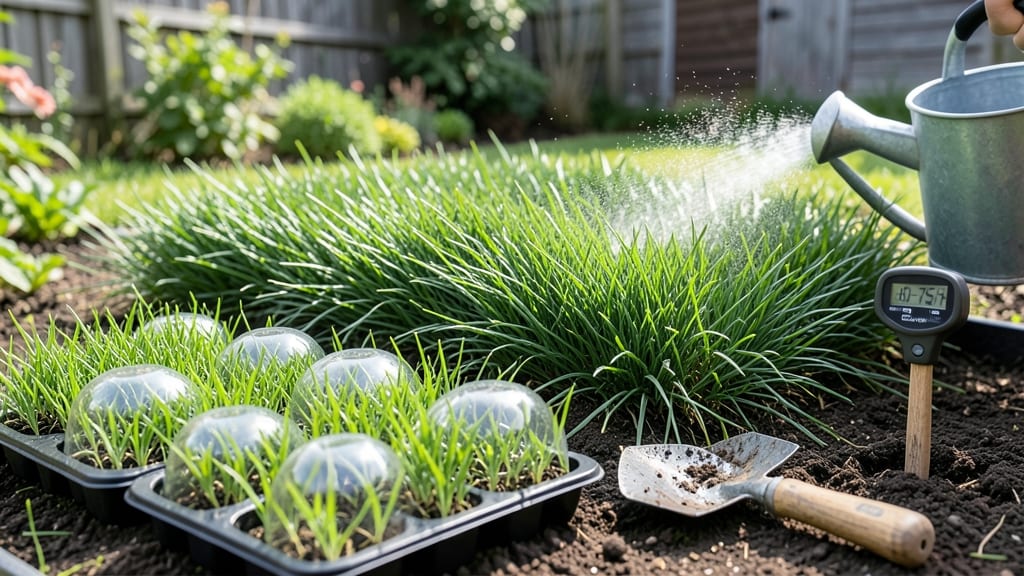
Planting grass in Southern California at the wrong time can turn your dream green lawn into a crispy, brown wasteland—fast. The key isn’t just picking the right seed (though that helps), but knowing when to plant it so your 🌱 thrives, not wilts, under the sun.
Here’s the deal: Southern California’s microclimates—coastal fog, inland heat, desert edges—each demand different timing. Plant too early, and your grass battles drought before roots take hold. Too late, and summer’s scorching temps fry your efforts before they even sprout.
I’ve tested this in 9b-11 zones, and the best windows are September-October for cool-season grasses like fescue or late winter (February-March) for warm-season types like Bermuda. But timing isn’t one-size-fits-all—your location’s heat, water rules, and soil play huge roles.
Skip the guesswork and learn how to sync planting with your microclimate for a lawn that establishes fast, stays lush, and survives Southern California’s wild swings. Let’s break it down by region—so you don’t end up watering dust.
Best months to plant grass in Southern California by microclimate
Southern California’s diverse microclimates—from coastal fog belts to inland deserts—mean your ideal planting window depends on where you live. Coastal areas like Malibu and Santa Barbara stay cooler and moister, while inland zones like Palm Springs and Riverside face extreme heat and drought.
Let’s break down the perfect months for each zone to ensure your grass takes root without stress.
For cool-season grasses like Tall Fescue and Kentucky Bluegrass, the best time to plant is during fall or late winter. These grasses thrive in cooler temperatures and establish deep roots before summer’s heat arrives.
In contrast, warm-season grasses like Bermuda and Buffalo Grass should be planted in early summer when soil temperatures are ideal for germination.
🌱
| Microclimate | Best Planting Months | Soil Temp Range (°F) | Grass Varieties | Key Considerations |
|---|---|---|---|---|
| Coastal (e.g., San Diego, Santa Barbara) | September–October, February–March | 60–75°F | Tall Fescue, Perennial Ryegrass | Cooler temps, higher humidity; avoid summer planting. |
| Inland Valleys (e.g., Los Angeles, Riverside) | September–October, February–March | 65–78°F | Bermuda, Buffalo Grass | Hotter summers; plant early fall or late winter. |
| Desert (e.g., Palm Springs, Joshua Tree) | August–September, February | 70–80°F | Buffalo Grass, Drought-Tolerant Bermuda | Extreme heat; plant when temps drop slightly. |
In coastal areas, the fall window (September–October) is ideal because temperatures stay mild, and morning fog reduces evaporation. This gives cool-season grasses time to establish before winter rains. For inland valleys, the same window applies, but you’ll need to water deeply to combat hotter, drier conditions.
If you’re in the desert regions, August–September is your best bet. The soil is still warm enough for warm-season grasses to germinate, but the intense afternoon sun is less brutal. Avoid planting in peak summer (June–July)—the heat will bake seeds into the soil, preventing germination.
For late winter planting (February–March), focus on cool-season grasses like Tall Fescue. This timing ensures the grass has 6–8 weeks to grow before summer heat arrives.
In coastal areas, you might even see spring germination if you plant in January, but inland zones are too hot for this approach.
🌡️
One critical factor across all microclimates is soil temperature. Use a soil thermometer to check depths of 1–2 inches. For cool-season grasses, aim for 60–75°F.
For warm-season grasses, 70–80°F is perfect. If your soil is above 85°F, wait—seed germination will fail in extreme heat.
Pro tip: Test your soil’s moisture before planting. Stick your finger 2 inches deep—if it’s dry, water 1–2 days before planting to create an ideal seedbed. Overwatering at planting time can wash seeds away, while underwatering causes poor root contact.
💧
Don’t forget about rainfall patterns. In coastal Southern California, fall rains can help establish new grass, but inland areas rely entirely on irrigation.
If you’re planting in September, set up a drip irrigation system or soaker hose to deliver 1–1.5 inches of water weekly until the grass is fully established (6–8 weeks).
Finally, avoid planting during Santa Ana wind events. These hot, dry winds (common in fall and winter) can desicc
Best months to plant grass in Southern California by microclimate
Southern California’s microclimates create wildly different conditions—coastal areas stay cooler and damper, while inland deserts can hit 100°F+ in summer. Your planting window depends on where you live. For coastal regions (like Malibu or Santa Barbara), aim for September-October or February-March when soil temps drop below 80°F.
Inland areas (like Palm Springs or Riverside) should plant late August-early September or January-February to avoid extreme heat.
Warm-season grasses like Bermuda and Buffalo grass thrive when soil temps stay above 65°F, making late summer their ideal time. Cool-season grasses like Tall Fescue or Kentucky Bluegrass need cooler 50-65°F soil temps, so fall or late winter is best.
Skipping these windows risks seed desiccation or shallow root systems that can’t handle drought.
| Microclimate | Best Planting Window | Grass Types | Soil Temp Threshold |
|---|---|---|---|
| Coastal (e.g., San Diego, Santa Barbara) | September-October or February-March | Tall Fescue, Ryegrass, Kentucky Bluegrass | 50-65°F |
| Inland (e.g., Los Angeles Basin, San Bernardino) | Late August-Early September or January-February | Bermuda, Zoysia, Buffalograss | 65-80°F |
| Desert (e.g., Palm Springs, Joshua Tree) | Late August or January-February | Bermuda, Buffalograss, Drought-Tolerant Fescue | 70-85°F |
Rainfall patterns also play a role. Coastal areas get winter rains, so planting in fall lets seeds germinate with natural moisture. Inland deserts rely on irrigation, so schedule planting when you can commit to daily watering for the first 4 weeks.
Pro tip: Test soil moisture before planting—if the top 2 inches are dry, wait for rain or water deeply 24 hours ahead.
Another critical factor is Santa Ana winds, which dry out soil and desiccate seedlings. Avoid planting during October-November in wind-prone areas like Orange County or Ventura.
Instead, opt for February-March when winds are calmer. For shade-tolerant varieties (like Fine Fescue), extend your window to November if your yard has 30%+ shade.
If you’re overseeding an existing lawn, late summer (August-September) works for warm-season grasses, while fall (September-October) is ideal for cool-season grasses. Just remember: New seed needs consistent moisture—don’t let it dry out, even if your mature grass can handle drought.
A sprinkler timer set to early morning is your best friend during establishment.
Timing isn’t just about the calendar—it’s about soil conditions. Use a soil thermometer to confirm temps are in the sweet spot for your grass type. For Bermuda grass, wait until soil hits 65°F; for Fescue, aim for 50-65°F.
Patience here means stronger roots and longer-lasting lawns that survive Southern California’s extremes. 🌱