
Plants
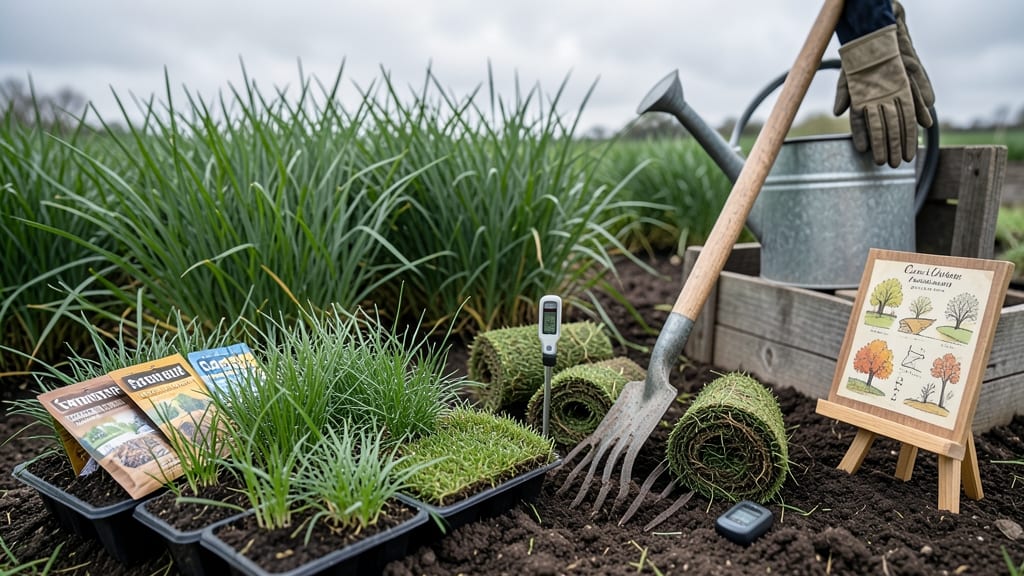
Minnesota’s ideal grass planting window by month (Zone 4-5 guide)
Timing your grass planting in Minnesota isn’t just about the calendar—it’s about understanding your USDA Zone 4-5 frost patterns and soil temperatures. For most of the state, the optimal window falls between early April and early September, but regional variations matter.
Northern Minnesota (Zone 3b-4a) has a shorter frost-free season, while southern areas (Zone 4b-5a) can extend planting slightly later.
Cool-season grasses like Kentucky bluegrass and fine fescue dominate Minnesota lawns because they thrive in our cool spring and fall temperatures. These grasses germinate best when soil temps hover between 40°F and 60°F—a range that aligns perfectly with Minnesota’s late April to early May window.
Warm-season grasses like buffalo grass (a drought-tolerant alternative) prefer warmer soil, making late May to early June ideal.
Here’s the key: Plant 4-6 weeks before your first fall frost (typically mid-September) or as soon as soil thaws in spring (usually mid-April). This timing ensures seedlings establish roots before winter dormancy or summer heat stress.
🌱
Northern Minnesota (e.g., Duluth, Brainerd) has a shorter frost-free season, so aim for mid-April to late August. Southern Minnesota (e.g., Rochester, Minneapolis) can extend planting to early June for warm-season grasses or early October for overseeding.
Always check your local frost dates—the National Weather Service provides updated forecasts.
Pro tip: Use a soil thermometer to confirm temps before planting. Cool-season grasses need those 40°F–60°F soil conditions to germinate reliably. If your soil is still frozen or waterlogged in spring, wait—rushing leads to poor seed-to-soil contact and wasted seed.
For overseeding (adding new grass to an existing lawn), late August to early September is ideal. This gives seedlings time to establish before winter sets in. Just be prepared for late September frosts, which can stress young grass.
🌿
If you’re in a microclimate (like a city heat island or a sheltered valley), adjust your timeline by 1–2 weeks. Urban areas may warm up faster in spring, while shaded yards might stay cooler longer. Always prioritize soil temperature over calendar dates—it’s the true indicator of success.
Finally, remember that Minnesota’s weather is unpredictable. Have a backup plan for late frosts: Use row covers or wait until soil warms consistently. The goal is a thick, weed-resistant lawn—not a gamble with the weather.
5 Critical factors that determine your exact grass planting timeline in Minnesota
Minnesota’s microclimates can shift planting windows by weeks—what works in duluth may fail in minneapolis. Your exact timing depends on five key factors: soil temperature, last frost dates, seed type, snowmelt timing, and urban vs. rural heat differences. Let’s break down how each affects your schedule.
First, check your USDA Plant Hardiness Zone (3b-5a in Minnesota). Northern regions like zone 3b have shorter frost-free windows, while southern areas like zone 5a can plant 2-3 weeks earlier. Use the Almanac’s frost calculator to pinpoint your local last frost date—this is your planting deadline.
Pro tip: Test your soil pH (ideal: 6.0-7.0) before planting. Acidic soil (pH <5.5) blocks nutrient uptake, even with perfect timing. Amend with lime in fall or sulfur in spring if needed.
For northern MN, aim for April 15-May 1 planting; southern MN can start March 30-April 15. Always have a backup plan—cover seedlings with frost cloth if late frosts threaten. Your local U of M Extension office offers free soil tests and frost date updates.
Remember: Early spring planting gives grass a 6-8 week head start before summer weeds compete. But if you miss the window, early fall (September) is your second chance—just stop planting 6 weeks before first frost to allow roots to establish before winter.