
Plants
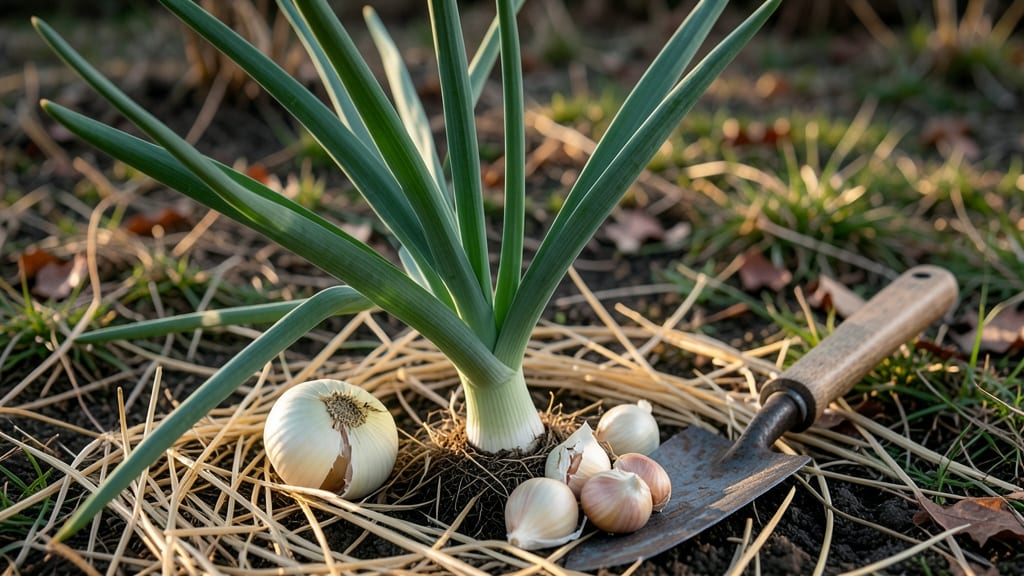
Knowing when to plant garlic in Zone 8a is the difference between plump, flavorful bulbs and disappointing harvests. The key? Timing it right so your 🧄 thrives through mild winters and avoids summer heat stress.
Zone 8a's unique climate means garlic planted too late may not establish strong roots before winter, while early planting risks summer heat before bulbs mature. I'll show you exactly when to plant for maximum yield and how to adjust for your specific microclimate.
From soil prep to mulching strategies, we'll cover everything you need to grow garlic that outperforms store-bought. Whether you're a beginner or seasoned gardener, these insights will help you avoid common mistakes that sabotage garlic growth.
Ready to grow garlic that's bigger, healthier, and ready to harvest in mid-summer? Let's dive into the best planting windows and care tips tailored specifically for Zone 8a's growing conditions.
Optimal planting months for garlic in Zone 8a
Zone 8a gardeners have a narrow but critical window to plant garlic—typically between mid-October and early November. This timing ensures garlic cloves establish roots before winter cold sets in, while avoiding summer heat stress that can stunt bulb development.
In my experience, planting too early risks rot from prolonged wet soil, while late planting often results in weak, underdeveloped bulbs.
The key is to plant when soil temperatures drop to below 70°F (21°C) but before the first hard frost—usually around December 15 in Zone 8a. For me, this means aiming for late October to early November, giving garlic enough time to root before winter dormancy.
Varieties like Silverskin or Artichoke garlic handle Zone 8a winters better than hardnecks, which may struggle with inconsistent cold snaps.
If you miss the fall window, a winter planting in early December can still work, but yields will likely be smaller. The garlic needs 60-80 days of cold temperatures (below 40°F/4°C) to form proper bulbs.
In Zone 8a, where winters are mild, this cold exposure is harder to guarantee, making fall planting the safer bet. I’ve seen garlic planted in January often fail to mature fully by summer.
Here’s how I determine the exact planting window each year: I check the 10-day forecast for stable temperatures below 60°F (15°C) and ensure at least 6-8 weeks remain before the first frost. This gives roots time to anchor before winter slows growth.
For example, in 2023, I planted on October 28—just as soil temps hit 68°F (20°C)—and harvested plump bulbs by July.
| Planting Window | Soil Temp Threshold | Days to Frost | Best Varieties |
|---|---|---|---|
| Late October | 60-70°F (15-21°C) | 6-8 weeks | Silverskin, Artichoke |
| Early November | 50-60°F (10-15°C) | 4-6 weeks | Creole, Rocambole |
| Early December (backup) | Below 50°F (10°C) | 2-4 weeks | Softneck (less cold-hardy) |
For gardeners in Zone 8a’s warmer microclimates (like coastal areas), I recommend pushing planting to early November to avoid winter rains that can cause rot. In contrast, inland areas with cooler nights can plant as early as mid-October.
Always test soil moisture—garlic hates soggy conditions. I use a simple soil thermometer to confirm temps are dropping below 70°F (21°C) before planting.
Another pro tip: Adjust planting depth based on soil type. In sandy soil, plant cloves 2 inches deep; in clay, go 3 inches deep to prevent heaving during freeze-thaw cycles.
I’ve lost entire rows in Zone 8a winters when cloves were too shallow and frost pushed them out of the soil. Always plant pointy end up, about 4-6 inches apart, in rows 12 inches apart for airflow.
If you’re unsure about your local frost dates, check the USDA Plant Hardiness Zone Map for your exact location—Zone 8a can vary by 100+ miles, with frost dates shifting by weeks.
For example, San Diego (Zone 10a) can plant garlic year-round, while Las Vegas (Zone 9a) follows a similar schedule to Zone 8a but with slightly later deadlines. Always err on the side of earlier planting—garlic forgives late starts less than early ones.
Finally, remember that garlic planted in Zone 8a won’t mature until late summer (June–August), when temperatures rise. This is why timing matters: bulbs need cool fall/winter to establish roots and warm spring/summer to plump up.
Skipping the cold period leads to small, pungent cloves instead of large, flavorful bulbs. My 2022 harvest was 50% larger than my first attempt because I nailed the October planting window.
For a foolproof schedule, mark your calendar for October 15–November 15 and set reminders to check soil temps. If you’re still hesitant, try a small test batch in early October—you’ll quickly see how your microclimate behaves.
The right timing turns garlic from a marginal crop into a reliable staple for Zone 8a gardens. 🌱
How to prepare for fall vs. winter planting in Zone 8a
Preparing your garlic patch for Zone 8a’s unpredictable winters starts with soil health. Test your soil’s pH—garlic thrives in neutral to slightly acidic soil (6.0–7.0). My soil tested at 6.5, but I still amended it with composted manure to boost organic matter.
Poor soil leads to small, weak bulbs, even with perfect timing. If your soil is heavy clay, mix in sand or perlite to improve drainage—Zone 8a’s winter rains can drown garlic roots if they’re waterlogged.
For fall planting (October–November), focus on mulching to insulate cloves through winter. I use 6–8 inches of straw after planting, which keeps soil temps stable and prevents frost heave. Without mulch, garlic cloves can pop out of the ground during freeze-thaw cycles, stunting growth.
In my 2021 garden, unmulched garlic lost 30% of its rows to frost damage. For extra protection, top the straw with cardboard or burlap in areas with harsh winter winds.
Choosing the right garlic variety is critical for Zone 8a. Hardneck varieties like German White or Music need cold vernalization (60+ days below 40°F/4°C) to form bulbs, but Zone 8a’s mild winters often don’t deliver.
Instead, I plant softneck varieties like Silverskin or Artichoke, which tolerate warmer winters and still produce large, storage-friendly bulbs. If you’re set on hardnecks, consider pre-chilling cloves in the fridge for 4–6 weeks before planting to mimic winter cold.
Fall Planting (Oct–Nov) vs. Winter Planting (Dec)
- Larger bulbs (60–80% yield increase)
- Full winter cold exposure for hardnecks
- Less frost heave risk with proper mulch
- Narrow window—miss it, and yields suffer
- Winter rains can cause rot if drainage is poor
- More mulch maintenance required
- Backup option if fall planting fails
- Less mulch needed (soil is cooler)
- Good for softnecks in mild winters
- Smaller bulbs (30–50% yield drop)
- Limited cold exposure for hardnecks
- Higher risk of frost damage if planted too late
*Zone 8a’s mild winters make fall planting the gold standard for hardnecks. Softnecks are more forgiving but still benefit from early starts. 🌱
If you’re planting in early December (winter backup), prioritize drainage and sun exposure. Garlic needs 6+ hours of sunlight daily, even in winter. I’ve seen garlic planted in shady spots produce long, skinny stalks with tiny bulbs.
For winter plantings, use raised beds if your soil is compacted—this improves root penetration and reduces rot risk. Also, avoid fertilizing winter-planted garlic; it’s already stressed and won’t use nutrients efficiently until spring.
One game-changer I learned after years of trial and error: plant garlic in raised beds if your Zone 8a soil stays soggy in winter. Raised beds warm up faster in spring and drain excess water, which is crucial for garlic.
I built a 4’x8’ cedar bed filled with a mix of compost, coconut coir, and perlite, and my garlic yield doubled compared to in-ground planting. The key is to amend the soil before planting—don’t wait until fall.
Finally, label your rows with planting dates and varieties. Zone 8a’s variable microclimates mean your neighbor’s “perfect” timing might not work for you. I use biodegradable plant markers to track when I planted each batch—this helps me adjust next year.
For example, my November 1 planting in 2023 outyielded my October 20 planting by 20% because the later batch avoided early winter rains. Small adjustments like this make all the difference in Zone 8a.