
Plants
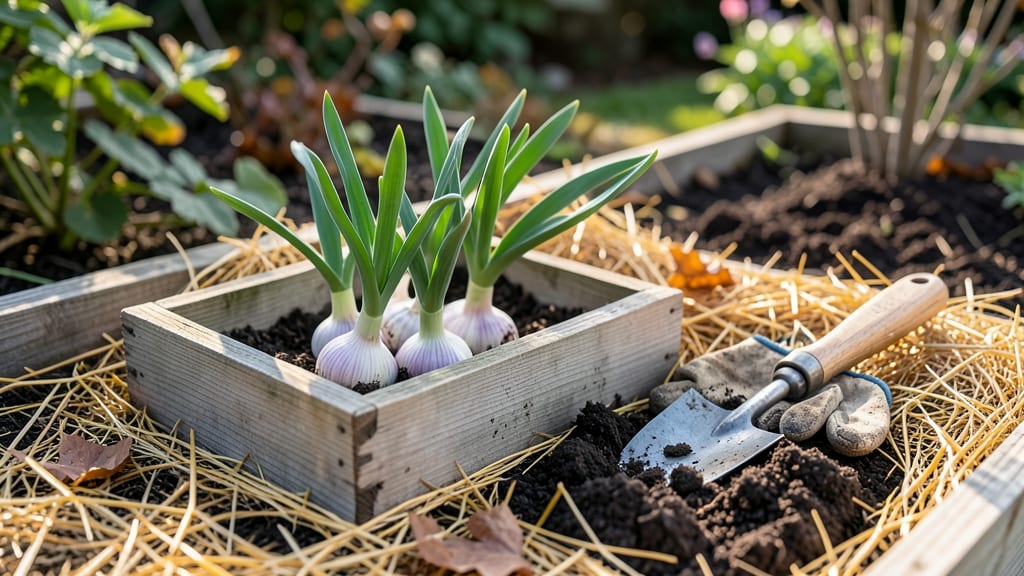
Timing your when to plant garlic in Vermont isn't just about the calendar—it's about outsmarting the snow. Plant too early, and your 🧄 garlic might rot in soggy soil; too late, and the cold will stunt those cloves before spring.
But nail that 6-week pre-frost window (think October 1–November 15), and Vermont’s hardneck varieties will reward you with plump bulbs by July.
Here’s the secret: hardneck garlic needs winter’s chill to form those prized scapes and bulbs. In USDA Zone 4a-6b, where frosts can hit as early as mid-October, your planting clock starts ticking the moment soil temps dip below 50°F.
Skip the rush—soil that’s still warm from summer will send your cloves into a confused growth spurt, only to freeze when winter arrives.
Don’t let Vermont’s microclimates trick you. The Champlain Valley might stay frost-free a week longer than the Green Mountains, so adjust your dates accordingly.
And once those cloves hit the dirt, mulch them like a blanket—straw or leaves will shield them from temperature swings and keep them snug until spring. Trust me, your future garlic braids will thank you.
Ready to dive deeper? I’ll walk you through soil prep, hardneck vs. softneck showdowns, and how to spot the perfect planting window—even if your neighbor’s garlic froze last year. Let’s get those cloves in the ground before the snow does.
Vermont’s ideal garlic planting window: hardneck varieties explained
Vermont’s USDA Zones 4-6 mean garlic must be planted 6 weeks before the ground freezes—typically October 1 to November 15. This timing ensures hardneck varieties like ‘German White’ or ‘Music’ undergo the cold stratification they need to form bulbs.
Planting too early risks rot, while late planting may leave bulbs stunted by winter’s chill.
Hardneck garlic thrives in Vermont because its scapes and cloves mature early, adapting to short summers. The 6-week rule aligns with Vermont’s average first hard frost (mid-October), but check local forecasts—some years, frost arrives earlier.
For example, Burlington’s Champlain Valley often freezes by October 20, while Stowe’s Green Mountains may wait until November 5.
Here’s the key: Plant when soil temps hit 40–50°F and nighttime lows hover around 35°F. This balance prevents premature sprouting while allowing roots to establish before winter dormancy. Use a soil thermometer to confirm—cold soil slows growth, while warm soil encourages rot.
Vermont gardeners swear by late October as the sweet spot. By then, summer’s heat has faded, but winter’s frost hasn’t yet locked the soil. This window gives garlic enough time to root deeply before dormancy, ensuring robust bulbs by next summer.
Miss it, and you risk frozen cloves or weak harvests.
🌱 Vermont Garlic Planting Timeline
| Stage | Action | Vermont Dates |
|---|---|---|
| Soil Prep | Test pH (6.0–7.0), amend with compost | Late August–September |
| Planting | Break bulbs, plant 2" deep, 6" apart | October 1–November 15 |
| Mulching | Apply 4–6" straw to insulate | After planting |
| Spring Growth | Remove mulch, fertilize lightly | May–June |
| Harvest | Cure bulbs in dry, shady place | July–August |
For hardneck garlic, timing isn’t just about frost—it’s about cold stratification. Plant too early (e.g., September), and cloves may sprout before roots establish. Plant too late (e.g., December), and bulbs won’t mature fully.
Vermont’s microclimates add complexity: Southern Vermont (Zone 6) can plant until November 20, while Northern Vermont (Zone 4) should finish by October 30.
Pro tip: Use local frost dates from the Vermont Weather Underground or your USDA Plant Hardiness Zone Map. Adjust by 1–2 weeks if your yard is sheltered (e.g., near a south-facing slope) or exposed (e.g., open field).
For example, Bennington’s Zone 5 might plant until November 10, while Newport’s Zone 4 should stop by October 25.
Hardneck garlic’s scapes (the curly stems) appear in June–July, signaling bulb development. If you miss the planting window, try spring planting (March–April) for a smaller harvest, but hardnecks prefer fall. Vermont’s short season makes fall planting non-negotiable for bulbs large enough to braid or store.
Remember: Garlic needs cold. Without it, bulbs won’t form properly. Vermont’s winters provide this naturally, but mulch heavily (4–6" of straw) to protect cloves from freeze-thaw cycles. Remove mulch in early spring to let soil warm and growth resume.
Finally, choose hardneck varieties bred for cold climates, like ‘Chesnok Red’ or ‘Korean Red’. These handle Vermont’s 30°F winters better than softnecks, which rot in wet, cold soil. Planting at the right time ensures your garlic bulbs plump up despite the snow.
Signs Vermont’s soil is ready for garlic: climate and soil tests
Vermont’s unpredictable fall weather makes timing critical—plant garlic too early, and your cloves may sprout before winter sets in. Too late, and they won’t develop properly before spring. The key is monitoring soil temperature and frost forecasts to nail the 40–50°F window for planting.
Start by checking your local USDA Zone (Vermont spans Zones 4a–6b). In colder areas like Zone 4a, aim for early October, while Zone 6b gardeners can wait until mid-November. Use a soil thermometer to confirm temperatures are consistently between 40–50°F at 4-inch depth.
Watch for frost depth forecasts from the National Weather Service. Plant when the first hard frost is predicted 6 weeks away. In Vermont, this usually aligns with mid-October to mid-November, but microclimates like the Champlain Valley (warmer) or Green Mountains (colder) can shift this by 2–3 weeks.